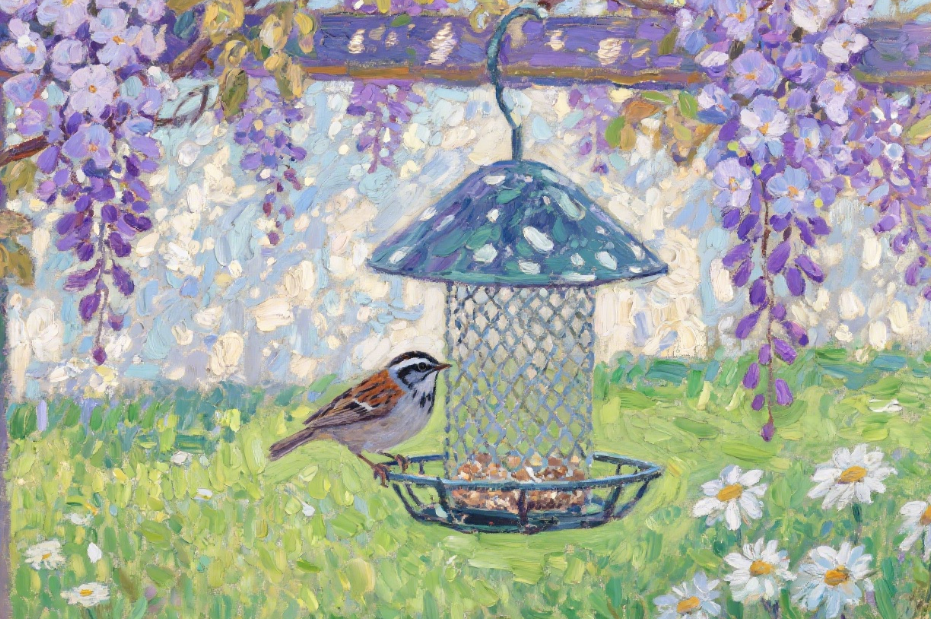
In American gardens, birdwatching through bird feeders is a popular hobby for many people, but the area around bird feeders may also increase the risk of human exposure to bird parasites due to bird gatherings. The following are relevant precautions and preventive measures.
Characteristics of parasite risks in bird feeder settings
Bird feeders attract various bird species to feed, and the gathering of birds increases the likelihood of parasite transmission. When birds feed, they may shed feathers or excrete feces, which may carry parasites such as bird lice, ticks, mites, fleas, and their eggs. Additionally, if bird feeders are not cleaned promptly, leftover food particles may attract insects, which could serve as intermediate hosts for parasites, thereby increasing the risk of human exposure to parasites.
Precautions
When handling bird feeders, wear gloves to avoid direct contact with the feeder's surface, leftover food, bird droppings, and feathers. After handling, dispose of gloves properly and immediately wash hands thoroughly with soap and running water.
Avoid placing seating or other facilities near bird feeders that allow people to linger for extended periods, reducing contact time between humans and parasites. When observing birds, maintain a distance of over 1 meter and avoid approaching the feeder for closer observation.
Avoid allowing children and pets to play near the bird feeder. Children are curious and may touch the bird feeder or pick up feathers or droppings around it; pets may lick the ground or come into contact with birds, increasing the risk of parasite infection.
If obvious parasite traces are found on the bird feeder, such as crawling insects or white eggs, suspend use of the bird feeder until it is thoroughly cleaned. Prevention and control measures
Regular cleaning of the bird feeder is essential. It is recommended to clean it at least once a week. First, rinse the bird feeder with hot water to remove any leftover food and dirt, then soak it in diluted white vinegar or a mild disinfectant to disinfect it, and finally rinse it thoroughly with clean water and let it dry. For bird feeders with crevices, use a small brush to clean them thoroughly to avoid leaving any parasite eggs behind.
Place bird feeders appropriately, preferably in areas away from human activity (such as doors, windows, and resting areas) and pet activity zones. Choose locations with relatively open terrain and good ventilation to reduce the likelihood of moist environments that promote parasite growth.
Control the amount of food provided to avoid excessive residue. Each feeding should provide an amount that birds can consume within 1-2 days to prevent food spoilage that attracts insects and parasites.
Regularly clean the ground around the bird feeder, promptly removing fallen food, droppings, and feathers. Use a stiff-bristle brush for sweeping or rinse with clean water to maintain a dry and clean surrounding environment.
If ticks, fleas, or other parasites are found around the bird feeder, apply a safe insecticide in moderation to the ground and surrounding vegetation. However, avoid the bird feeder and bird watering areas, and choose products that are harmless to birds.
If you are bitten by a parasite, follow the previously mentioned proper procedures. If you experience any discomfort, seek medical attention promptly and inform the healthcare provider about your exposure to the bird feeder and birds.
Implementing proper parasite prevention and management measures for bird feeders allows us to enjoy the pleasure of observing birds while better safeguarding our own health. If you have any further questions about cleaning techniques for specific types of bird feeders or other specific concerns, please feel free to ask.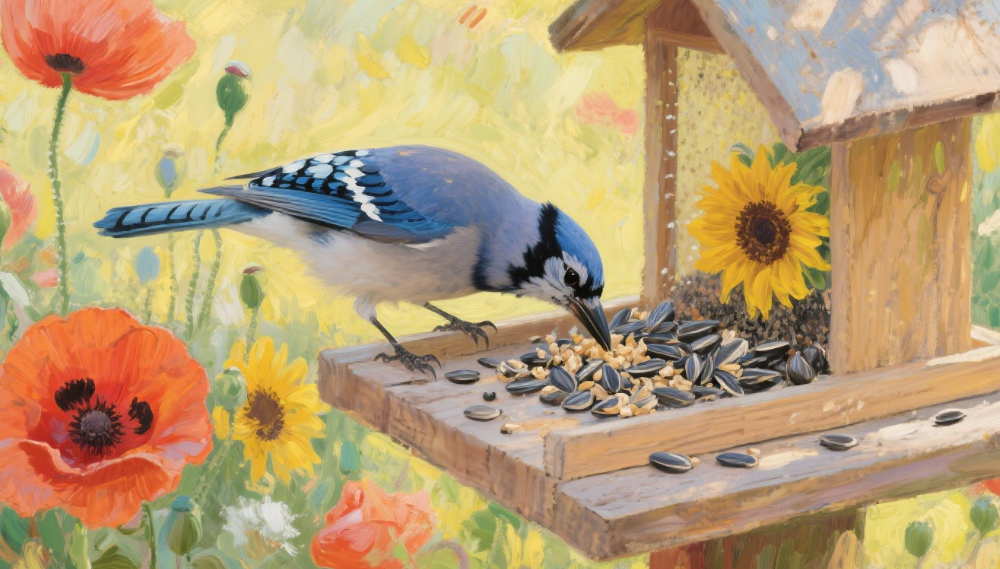
When observing birds through bird feeders in the American Garden, it is important to be aware of the parasites found on birds and take appropriate preventive measures.
Jul 21, 2025 Bird knowledge presenters