To observe and learn about various bird species in the American garden, it is essential to adopt appropriate methods that respect the birds' natural habits and do not disrupt their normal activities. Here are some specific approaches:
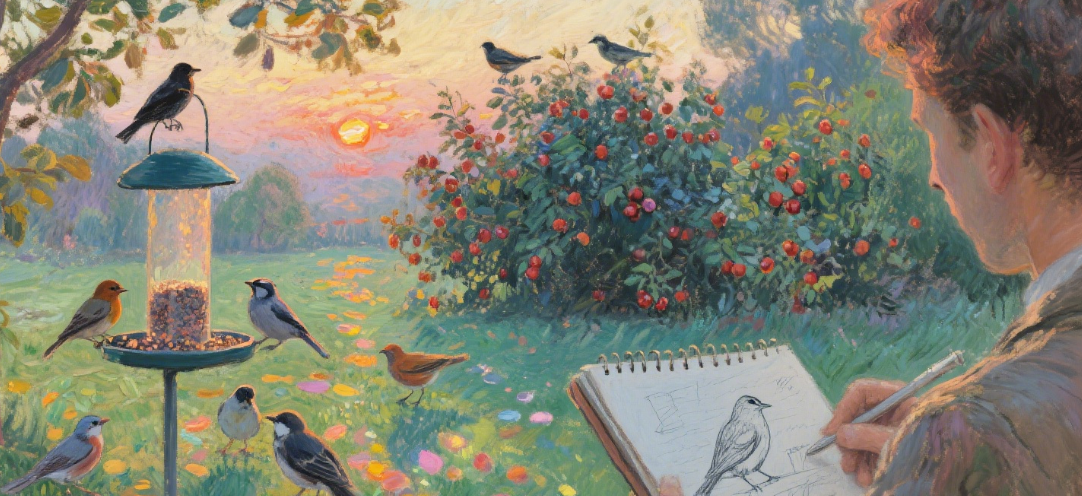
Before observing, thorough preparation is necessary. You can first consult bird field guides, specialized books, or reliable online resources to familiarize yourself with the physical characteristics, plumage colors, vocalizations, and activity patterns of common bird species found in the American garden. For example, the Northern Cardinal is known for its vibrant red plumage and distinctive song, while the Blue Jay is renowned for its blue feathers and lively personality. Additionally, prepare appropriate observation tools. Binoculars are essential, as they allow you to clearly observe the birds' details without getting too close. Binoculars with a magnification of 8–10x are recommended, as they are easy to hold and provide good observation quality. Additionally, bring a notebook and pen to record the species, number, behavior, and time and location of the birds you observe, which will help you better understand their lives.
When birdwatching, choose the appropriate time and location. Most birds are more active in the early morning and evening, making these the best times for observation. During these periods, birds engage in activities such as foraging and singing, making them easier to observe. In terms of location, areas such as trees, shrubs, flower beds, and ponds in gardens are common habitats for birds. You can find a concealed spot near these areas, such as sitting on a chair under a tree or hiding in a corner of the balcony, to avoid being directly exposed to the birds' line of sight and startling them. When observing, move gently and slowly, avoid loud noises, and minimize disturbances to the birds. If you notice birds nesting or raising chicks, do not approach them and maintain a safe distance to avoid disrupting their breeding.
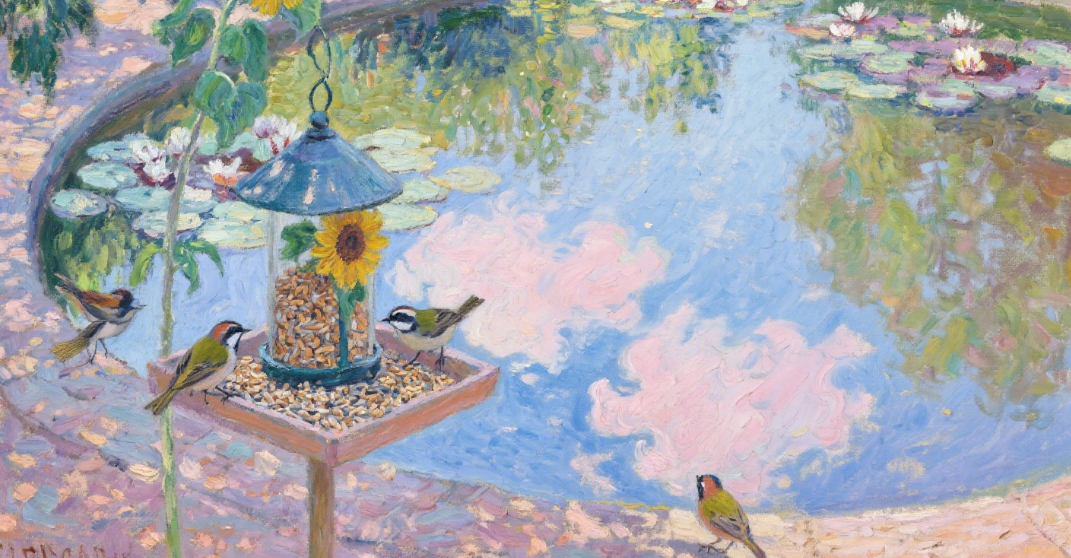
In addition to direct observation, there are various other ways to learn about birds. Installing bird feeders and waterers is a good method. Choose feeders suitable for different bird species, such as Tube feeders for small songbirds and Platform feeders for a variety of bird species. Place appropriate food in the feeders, such as sunflower seeds or millet, and clean the feeders regularly to maintain hygiene. Waterers should be changed frequently to provide clean water, which can attract more birds to the yard and make it easier for us to observe their feeding and drinking behaviors. Additionally, you can plant some plants suitable for birds to nest and forage in your yard, such as berry-bearing plants and nectar-producing plants, to provide birds with natural food sources and nesting sites. This also makes your yard a more suitable environment for birds to thrive, giving you more opportunities to understand their relationship with plants.
Modern technology can also help us better understand birds. You can use bird identification apps. When you encounter an unfamiliar bird, you can take a photo or record its call, and the app will help you quickly identify the bird species and provide related information. Additionally, you can install cameras to observe and record birds in the courtyard over extended periods, understanding their activities and behavioral patterns at different times. However, be mindful not to install cameras in locations that invade birds' privacy or disrupt their lives.
Finally, always remember the importance of protecting birds. Observing and learning about birds should never harm them or destroy their habitats. Do not capture birds arbitrarily, and do not destroy their nests or eggs. Adhere to relevant laws and regulations, actively participate in bird conservation activities, and create a safe and suitable living environment for birds. Only in this way can we continue to observe and learn about these beautiful creatures and coexist harmoniously with them. 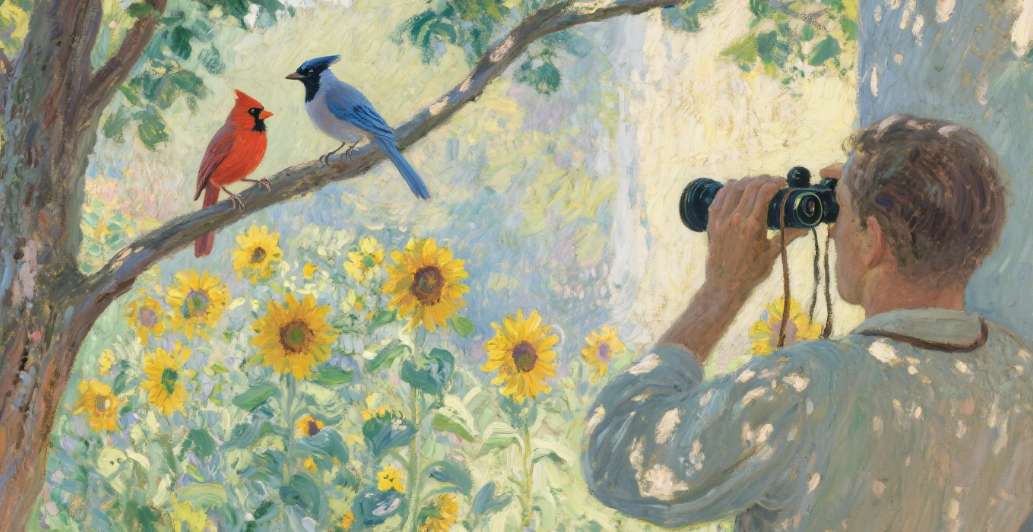
When it comes to the many types of birds in American gardens, how can we best observe and learn about them?
Jul 23, 2025 Bird knowledge presenters