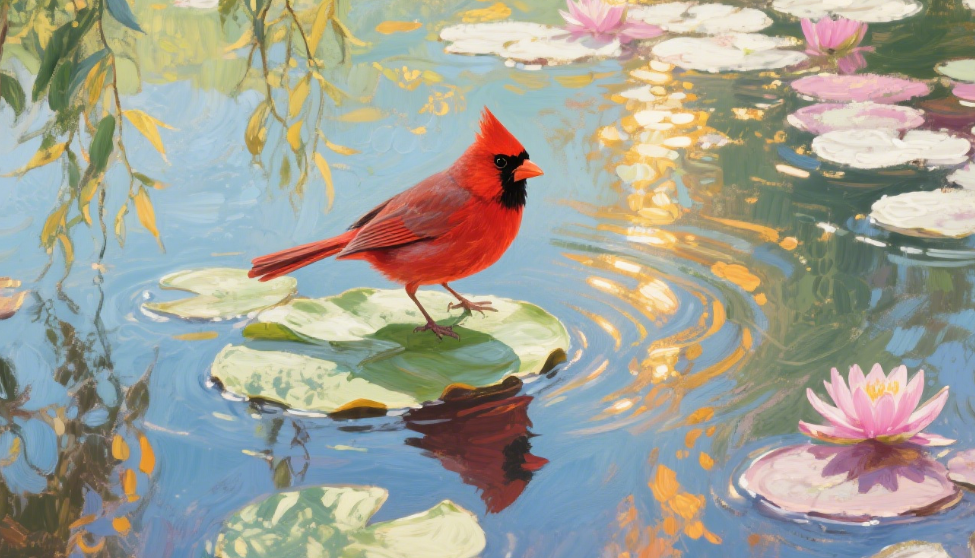
In the ecosystems of American courtyards, birds play diverse and critical roles. They act like teeth on precision gears, maintaining the dynamic balance of the natural network of relationships through behaviors such as predation, pollination, and seed dispersal. Their role permeates every link of the ecological chain.
From the perspective of food chain regulation, numerous birds are natural "controllers" of pests in the courtyard. For example, carnivorous birds such as the North American Cardinals and Bluebirds prey extensively on insects that harm plants, such as beetles, caterpillars, and aphids. An adult bluebird can consume dozens of pest larvae per day, and during the breeding season, the amount of predation increases exponentially to feed the chicks. This natural predation behavior can effectively suppress the excessive reproduction of pest populations, reduce the occurrence of plant diseases and pests, and avoid breaking the balance between plants and insects due to the proliferation of a single pest. At the same time, raptors such as the red falcon and Cooper's eagle prey on rodents (such as field mice) and small birds around the courtyard, preventing their population from skyrocketing and causing excessive consumption of plant seeds and fruits, maintaining a reasonable density of prey populations, and ensuring stable energy flow at all trophic levels in the food chain.
In terms of plant reproduction and distribution, birds are indispensable "spreaders" and "pollinators". After the fruits of many courtyard plants mature, they are picked up by fruit eating birds such as cedar pygmy birds and mockingbirds. These birds are unable to digest the seeds in the fruit, and the seeds will be carried to other areas of the courtyard, even further away, along with their excrement. This seed propagation method expands the distribution range of plants, promotes the exchange of plant genes in different regions, and contributes to the diffusion and renewal of plant populations. Hummingbirds, on the other hand, are efficient pollinators. When they feed on nectar, their heads are contaminated with pollen, and as they shuttle between different flowers, they complete the transfer of pollen. For example, the ruby throated hummingbird has formed a close symbiotic relationship with the canopy vine in the courtyard. The pollination of hummingbirds ensures the reproductive success rate of such plants, while the nectar of plants provides an energy source for hummingbirds. The two are interdependent and jointly maintain the diversity of the courtyard plant community.
In addition, the presence of birds can indirectly affect the behavior and distribution of other organisms, promoting the complexity of ecological networks. For example, when a mockingbird is foraging for earthworms on the lawn in a courtyard, its behavior of turning over the soil makes it more porous and breathable, which is beneficial for microbial activity and plant root growth. At the same time, the calls and activities of birds can also have an impact on other animals. For example, some small mammals may change their activity time and route due to the presence of birds, indirectly affecting their relationships with plants and insects, making the entire ecosystem's network of relationships more complex and stable.
Overall, birds in American courtyards participate in the material cycle and energy flow of ecosystems through various behaviors. They are not only important links in the food chain, but also facilitators of plant reproduction and regulators of ecological relationships, playing an irreplaceable role in maintaining the stability of the natural network of relationships.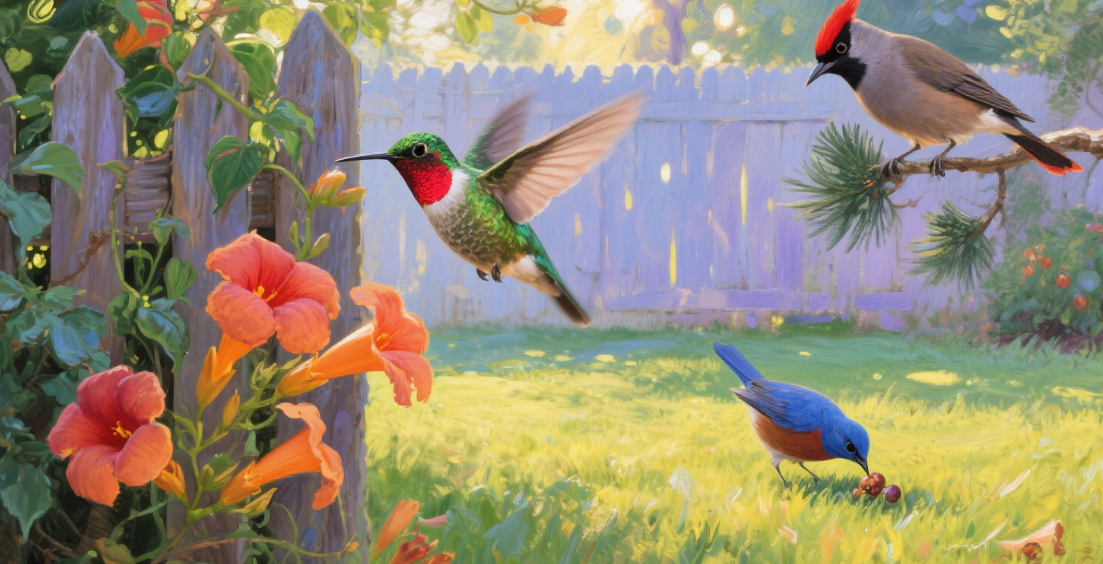
What roles do various bird species play in American gardens and what role do they play in maintaining the stability of the natural network of relationships
Aug 5, 2025 Bird knowledge presenters