To achieve the best possible bird-watching experience in an American-style garden using bird feeders, it is essential to consider various factors such as bird behavior, environmental design, and the viewer's experience, and to adopt a scientific and reasonable approach.
Firstly, the placement of the bird feeder is crucial. It should be positioned where birds can feed comfortably while also allowing humans to observe them conveniently. Maintain an appropriate distance from windows or viewing areas, typically between 3 and 10 meters. This ensures observers can clearly see the birds' activities without startling them due to proximity. Additionally, the area around the feeder should have some natural cover, such as low shrubs or small trees, allowing birds to quickly seek shelter when they feel threatened, thereby increasing their sense of security and encouraging them to visit more frequently. It is also important to avoid placing feeders in areas where they may be disturbed by pets like cats or dogs, as this can reduce stress for the birds.
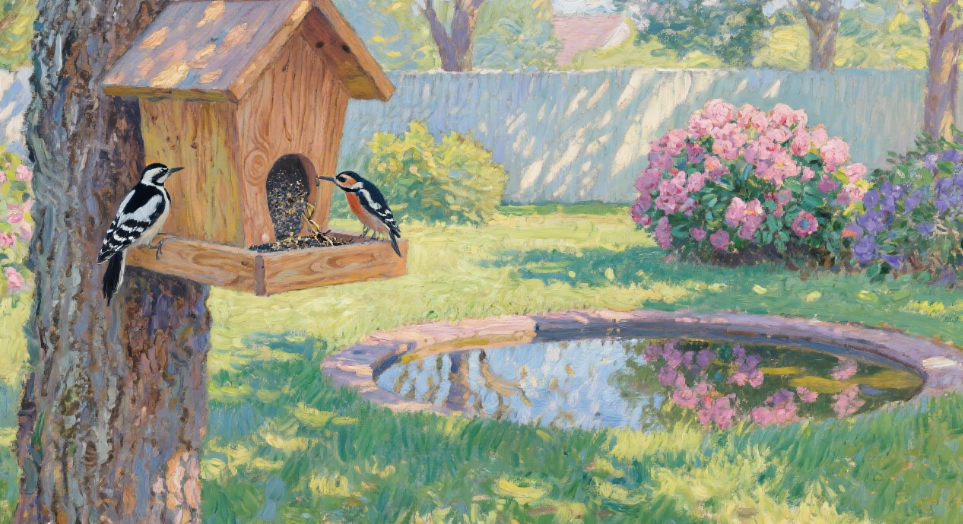
Secondly, the types of bird feeders and food combinations should be diverse. Different bird species have different preferences for food and feeders. For example, hummingbirds prefer to sip nectar, so nectar feeders are suitable; sparrows and titmice prefer seeds, so seed feeders can be chosen; while woodpeckers and bluebirds prefer fruits or insects, so corresponding feeders and food should be prepared. Diverse setups can attract more bird species and enrich the diversity of observation. Additionally, food should be regularly cleaned and replenished to maintain freshness and sufficiency, avoiding situations where birds stop visiting due to spoiled or insufficient food.
Furthermore, creating a suitable backyard ecological environment can provide birds with more comfortable habitats, thereby enhancing the observation experience. Planting native flowers, grasses, and trees in the garden can provide birds with natural food sources, such as berries and nectar, as well as materials and locations for nesting. Additionally, setting up a small water basin or shallow pond as a bird bath area allows birds to bathe and drink after feeding. This not only enables observers to see more dynamic bird behavior but also benefits the birds' health.
Timing is also crucial for birdwatching. Many birds are most active during dawn and dusk, making these the optimal times for observation. Birdwatchers should choose a quiet location during these periods, avoiding loud noises or sudden movements to prevent disturbing the birds. Using tools like binoculars can also enhance the viewing experience by allowing for clearer observation of feather details and behavioral patterns.
Finally, it is important to respect the birds' natural habits and avoid excessive disturbance. Do not overfeed the birds to attract them, as this may lead to dependency on humans and impair their natural survival abilities. During observation, maintain quietness, avoid touching or capturing the birds, and protect their safety and health. Only by coexisting harmoniously with the birds can the best birdwatching experience be achieved.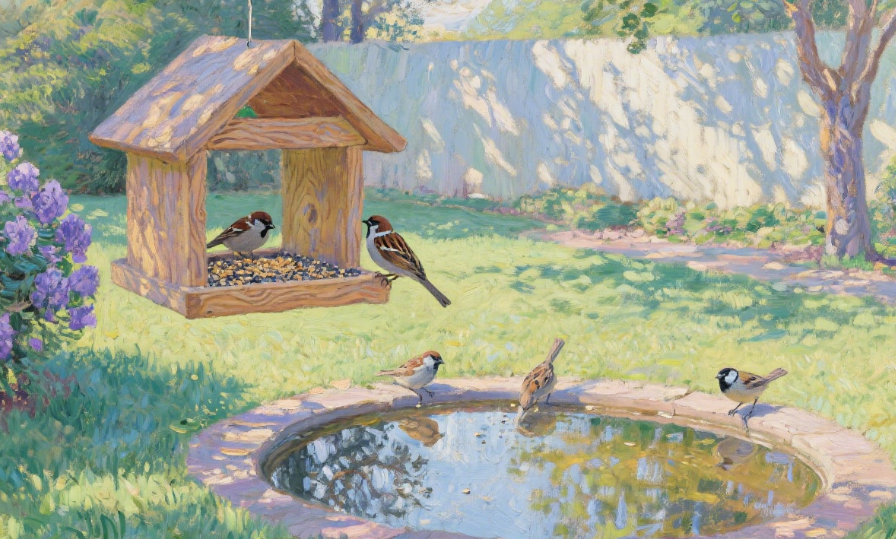
What measures should be taken to ensure that bird feeders in American gardens provide the best viewing conditions for birds?
Aug 11, 2025 Bird knowledge presenters