In the vast natural world, birds are like agile sprites. With their unique ways of survival and biological characteristics, they profoundly influence the operation and balance of the ecosystem. From maintaining ecological stability to promoting the material cycle, from providing economic value to carrying cultural connotations, birds play an irreplaceable value and significance in the natural world.
I. Maintainers of Ecosystems
(1)Key Links in the Biological Chain
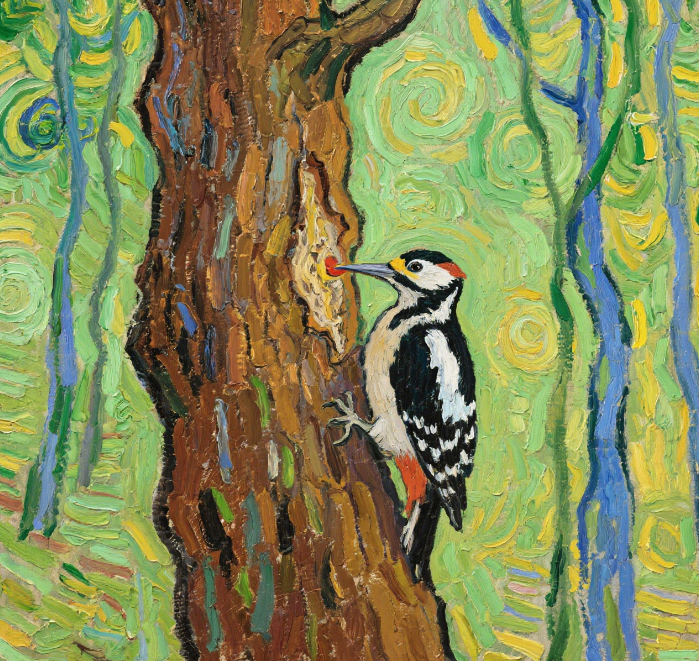
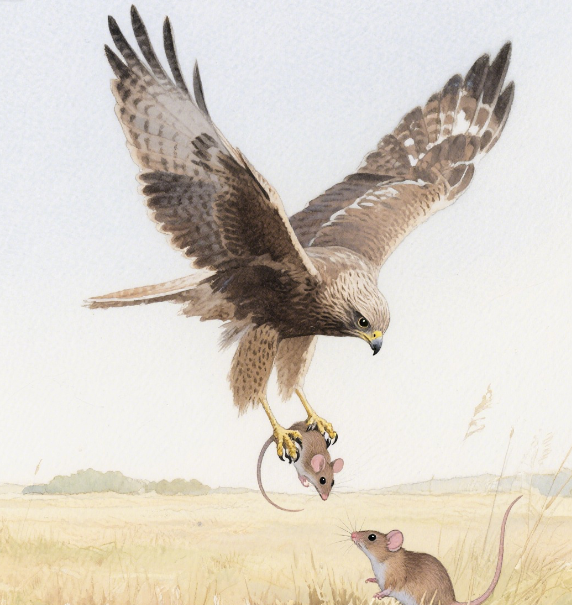
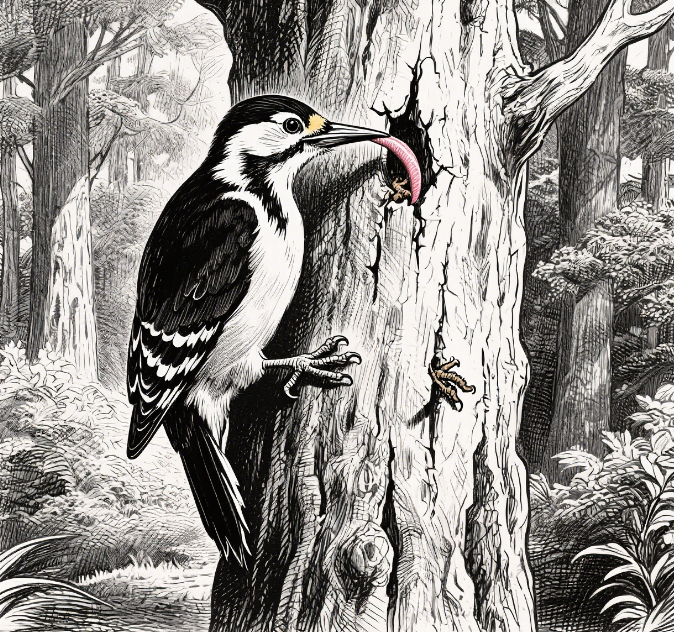
Birds are at multiple trophic levels in the biological chain, both as predators and prey. Insect-eating birds such as woodpeckers and swallows are known as the “guardians” of forests and farmlands. With their sharp beaks and long tongues, woodpeckers can accurately pull out pests such as aspen larvae and gypsy moths hidden in tree trunks. A woodpecker can prey on hundreds of pests every day, effectively controlling forest pests and preventing trees from suffering from extensive infestations. Swallows are active in the air to mosquitoes, flies, aphids and other small insects for food, in the peak of the summer mosquito breeding, a swallow a summer can prey on tens of thousands of pests, greatly reducing the threat of pests on crops and human life. Raptors such as eagles and hawks, as top predators, feed on rodents and hares, and their presence is significant in controlling rodent pests and maintaining the stability of grassland and forest ecosystems. In the absence of these birds, the number of pests and rodents will grow explosively, causing serious ecological disasters.
(2) Plant Seed Dispersers
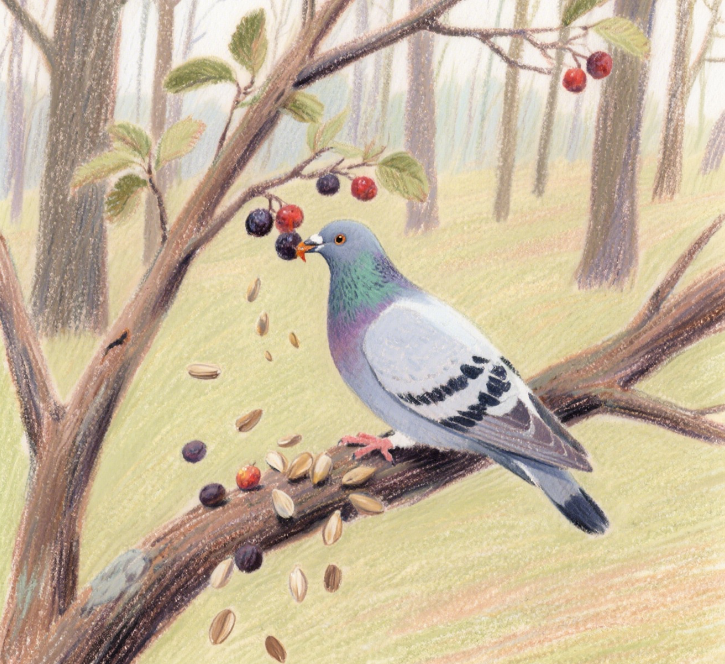
Many birds eat the fruits of plants in the process of foraging, and after the pulp is digested and absorbed, the seeds are spread everywhere with their feces. Birds such as pigeons and paintbrushes, after feeding on the berries, carry the seeds far away from the parent tree. It is through the spread of migratory birds that the seeds of some island plants are able to cross the oceans and take root in new environments. In addition, some birds bury seeds as reserve food when they carry them. If these seeds are not consumed, they will germinate under suitable conditions, promoting the spread and renewal of plants. This dispersal behavior of birds not only contributes to the reproduction of plant populations, but also promotes species diversity in the ecosystem, allowing plants from different regions to exchange and migrate.
(3) Indicator species of the ecosystem
Birds are extremely sensitive to environmental changes, and changes in their population size, distribution range and behavioral habits often reflect the health of the ecosystem. For example, the number and species of wetland birds are important indicators of the ecological advantages and disadvantages of wetlands. When a wetland is polluted, its area is reduced or its ecology is damaged, many waterbirds that are environmentally demanding, such as the Danding Crane and the Oriental White Stork, will reduce their roosting and reproduction in the area, or even disappear. By monitoring the dynamic changes of birds, scientists are able to detect potential problems in the ecosystem in time, providing an important basis for ecological protection and restoration.
II. Promoter of Material Cycle
(1) Promoting the cycle of nutrients
Birds accelerate the circulation of nutrients in the ecosystem during the process of foraging, digestion and excretion. When birds consume plants or other animals, they ingest organic matter into their bodies, which is digested and absorbed, part of which is converted into their own energy and substances, and part of which is excreted in the form of feces. These droppings are rich in nutrients such as nitrogen, phosphorus and potassium, which can provide fertility to the soil and promote plant growth. Waterbirds forage for aquatic plants and small aquatic animals in the wetland, and their activities stir up the sediments under the water, so that the nutrients in the substrate are re-released into the water body, providing nutrients for the growth of plankton and aquatic plants, and maintaining the material cycle and energy flow of the wetland ecosystem.
(2) Participate in the energy flow of the ecosystem
Birds play an important role in the energy flow of the ecosystem through predation and prey relationships. Solar energy is fixed by plants through photosynthesis and then stored in the plants in the form of chemical energy. Herbivorous birds feed on the plants, converting the energy in the plants into their own energy, and carnivorous birds then prey on herbivorous birds, allowing energy to be transferred between trophic levels. Each energy transfer is accompanied by energy loss and transformation. In this process, birds ensure the smooth flow of energy in the ecosystem and maintain the stable operation of the ecosystem.
III. Providers of economic value
(1) Direct economic gain
In some areas, bird breeding has become an important economic industry. Poultry farming, such as chickens, ducks and geese, provides people with abundant food resources such as meat and eggs, which satisfies human dietary needs and creates considerable economic value. In addition, the trade in ornamental birds is also on a certain scale, with parrots, paintbrush and other ornamental birds favored by many bird enthusiasts, and the related breeding, trading and peripheral industries have driven the development of the local economy.
(2) Indirect economic benefits
The protective effect of birds on agriculture and forestry has brought great indirect economic benefits to human beings. By controlling pests and rodents, the use of pesticides and rodenticides is reduced, production costs are lowered, and the yield and quality of crops and forests are also guaranteed. According to statistics, the losses reduced by birds for agriculture and forestry can amount to billions of dollars annually. In addition, birds also provide rich resources for the ecotourism industry. Many countries and regions have developed bird-watching tourism projects, attracting a large number of tourists to come to watch rare birds and driving the development of local transportation, accommodation, catering and other related industries.
Ⅳ. The bearer of cultural connotation
(1) The source of inspiration for artistic creation
Since ancient times, birds have been an important theme of human artistic creation. In the field of painting, bird and flower painting depicts the form and charm of birds with delicate strokes; in literature, birds are often endowed with a variety of emotions and symbols, showing a vibrant spring scroll. Birds provide endless inspiration for human artistic creation and enrich the spiritual and cultural life of mankind.
(2) Important carrier of cultural symbols
Birds are endowed with rich symbolism, doves symbolize peace, the image of the olive branch and the dove has become a symbol of peace; the eagle represents strength, courage and freedom. The symbolism of these birds is integrated into human cultural traditions and values, and has become an important part of cultural heritage.
With their diverse ecological functions, important economic values and profound cultural connotations, birds have become indispensable and valuable resources in the natural world. Protecting birds and their habitats and maintaining the diversity of birds are of far-reaching significance in maintaining ecological balance, promoting economic development and passing on human culture. Each of us should enhance the awareness of protecting birds and create a safe and harmonious living environment for birds, so that these dynamic lives can continue to bloom in the natural world.
The above content comprehensively demonstrates the multiple values of birds in nature. If you want to know more about a certain aspect or have additional needs, please feel free to talk to me.