In the Americas, gardens are not only private spaces for leisure and recreation but also vibrant mini-ecosystems. Among these, birds play an active role in the maintenance of garden plants, offering significant assistance. These agile creatures contribute to the healthy growth of garden plants through various means, including pest control, seed dispersal, pollination, and natural fertilization.
(1) Natural Pest Control Guardians
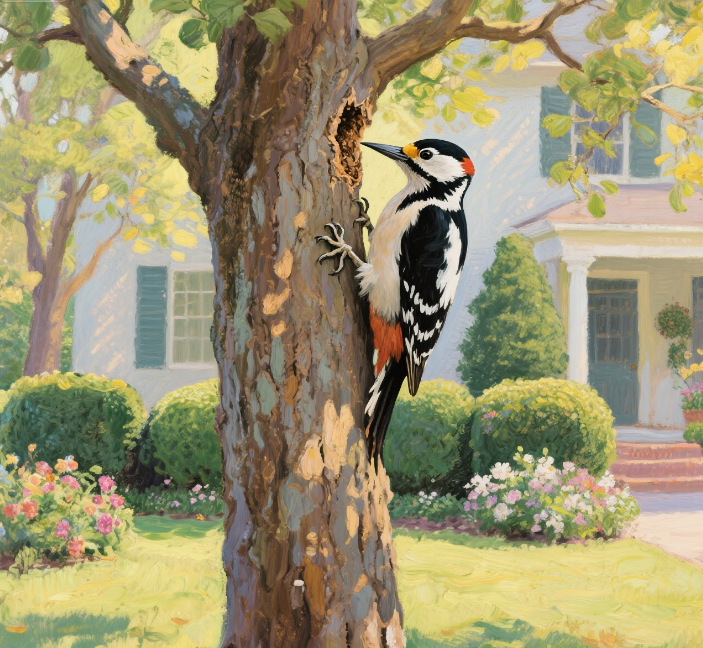
Garden plants are often attacked by various pests, such as aphids, caterpillars, and beetles, which feed on leaves and stems, severely affecting plant growth and aesthetics. Birds are natural pest control experts. For example, swallows are experts at catching flying insects. They swiftly dart through the air above gardens, effectively reducing the population of mosquitoes, flies, and other pests. These pests not only disrupt human activities in gardens but can also harm plants. Woodpeckers are the “specialist doctors” of trees. They use their sharp beaks to peck open tree bark, precisely locating hidden pests like longhorn beetle larvae and bark beetles within the tree trunk, preventing trees from being damaged by pests and ensuring their healthy growth. There are also titmice, which particularly enjoy feeding on aphids. A single titmouse can consume a large number of aphids in a day, effectively protecting flowers and shrubs from aphid infestations. Through the predatory activities of birds, the population of pests in gardens is effectively controlled, significantly reducing the risk of plant damage from pests, minimizing the use of pesticides, and allowing garden plants to grow in a natural and healthy environment.
(2) Efficient Seed Dispersers
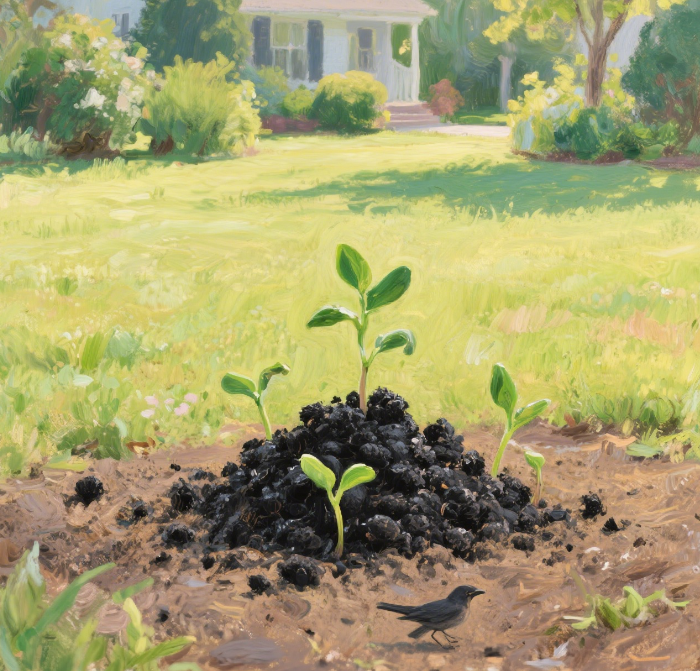
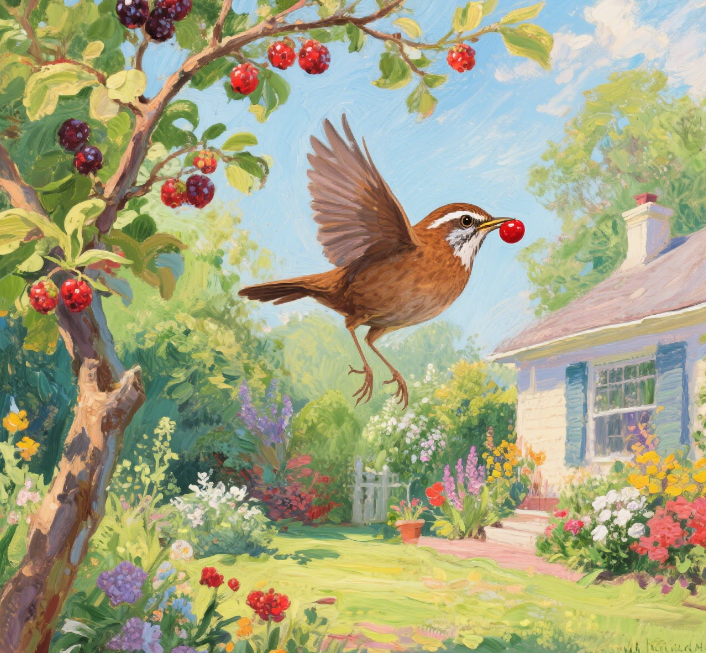
During foraging, birds consume large quantities of plant seeds. After passing through the birds' digestive systems, some of these seeds are dispersed throughout the garden via their droppings. Some seeds, after being processed through the birds' digestive systems, have their seed coats softened, which actually facilitates germination. For example, the common American robin, after consuming berries, carries undigested seeds to different locations, enabling berry-bearing plants to naturally propagate within the garden. Additionally, some birds inadvertently assist in plant seeding while storing food. Birds like jays often bury nuts and other foods underground as food reserves. Sometimes they forget where they buried them, giving the buried seeds a chance to take root and sprout, adding new greenery to the yard. This natural seeding method enriches the variety and distribution of plants in the yard, increases the diversity of the yard's ecosystem, and makes the yard's landscape more vibrant and colorful.
(3) Auxiliary pollinators
Although birds do not play as significant a role in pollination as insects like bees, certain bird species in American gardens still fulfill important auxiliary pollination functions. Hummingbirds are a prime example. With their small size, long, slender beaks, and tubular tongues, they can penetrate deep into flowers to sip nectar. In the process, their heads and bodies become coated with pollen, which they then transfer to other flowers as they fly, completing the pollination process. This is particularly crucial for plants with long corollas and deeply hidden nectar. For example, in gardens, plants like trumpet vines and honeysuckle benefit from hummingbird visits, which help them complete pollination, increase fruit set rates, ensure normal reproduction and growth, and maintain ecological balance among garden plants.
(4) Natural Fertilizer Providers
Bird droppings are rich in nitrogen, phosphorus, potassium, and other nutrients essential for plant growth, making them an excellent natural fertilizer. When birds move and rest among the greenery in a garden, their droppings directly fall into the soil, providing nutrients to plants. These natural fertilizers improve soil structure, enhance soil fertility, and promote the growth and development of plant root systems. Compared to chemical fertilizers, bird droppings are a more gentle natural fertilizer that does not pollute or damage the soil, helping to maintain the health and sustainability of the garden soil and creating a favorable growing environment for plants.
In summary, birds in American gardens actively participate in the maintenance of garden plants through various means, making them an indispensable part of the garden ecosystem. To attract more birds to the garden, we can set up bird feeders, hang bird nest boxes, and plant plants that birds love, providing them with food and habitats. This allows birds and garden plants to coexist in harmony, jointly creating a vibrant, beautiful, and healthy garden ecological environment.
The above points highlight the role birds play in maintaining garden greenery from multiple perspectives. If you'd like to learn more about specific methods for attracting birds to your garden or other related topics, feel free to reach out to me anytime.