In the vast natural world, birds are like graceful spirits, playing unique ecological roles and performing diverse biological functions. They occupy an irreplaceable position in the functioning of ecosystems, the maintenance of biodiversity, and the evolutionary process of life on Earth. They are not only key participants in ecosystems but also guardians of nature and regulators of ecological balance. From an ecological chain perspective, birds occupy multiple trophic levels, playing complex and diverse roles. Many small birds, such as sparrows and willow warblers, feed on plant seeds, fruits, and insects, making them primary consumers. By consuming plant seeds and fruits, they help control plant populations, preventing certain plants from overpopulating and disrupting ecosystem balance. Additionally, they extensively prey on insects—for example, a single titmouse can consume hundreds of pests in a day—effectively suppressing pest populations, reducing the risk of crop and forest damage from pests, and protecting plant health while maintaining the stability of plant communities. Eagles, hawks, and other raptors occupy the top of the food chain as top consumers. They prey on rodents, wild rabbits, and other small mammals and birds, regulating prey populations to prevent their excessive expansion and avoid devastating damage to vegetation. For example, eagles on grasslands control rodent populations, enabling grassland vegetation to grow normally and ensuring the healthy functioning of the entire grassland ecosystem. Additionally, some birds, such as vultures and crows, act as decomposers and scavengers. They feed on animal carcasses and decaying organic matter, accelerating the decomposition and cycling of materials. They convert organic matter into inorganic substances and release them back into the environment, promoting the material cycle of the ecosystem, preventing the accumulation of carcasses that could lead to disease transmission, and maintaining the cleanliness and hygiene of the ecological environment. 
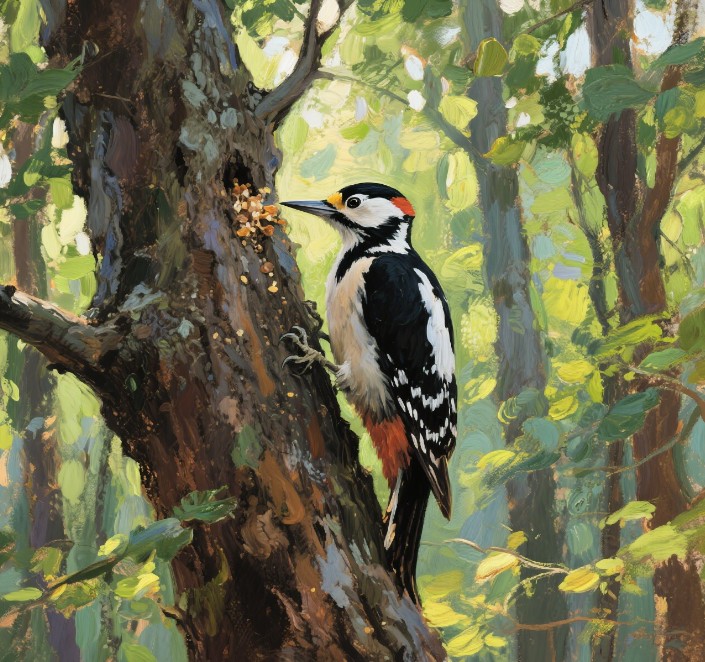
The role of birds in nature
Jun 18, 2025 Bird knowledge presenters