Across the vast expanse of the American continent, from the lush foliage of the Amazon rainforest to the snow-capped peaks of the Andes Mountains, from the endless green plains of the North American prairies to the scattered islands of the Caribbean Sea, birds are everywhere. These graceful creatures not only adorn the earth with their vibrant plumage and melodious songs but also play an indispensable role in the natural ecosystem. They are crucial in maintaining ecological balance, promoting biodiversity, and facilitating material cycles.
(1)Messengers of Seed Dispersal and Forest Regeneration
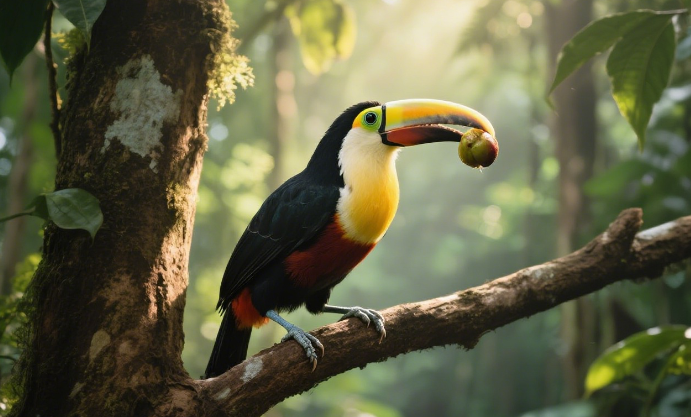
The Americas boast a rich and diverse array of forest ecosystems, where birds serve as highly efficient “seed dispersers.” For example, the toucans of the Amazon rainforest feed on fruits, consuming the flesh while expelling the indigestible seeds intact. These seeds, scattered across various locations, sometimes land in suitable environments, take root, and grow into new plants, thereby promoting forest regeneration and expansion. Research indicates that the seeds of many tropical rainforest plants are more likely to germinate after passing through the digestive tracts of birds. Additionally, birds like the crowned flycatcher inadvertently carry seeds to areas far from their parent trees during feeding, which not only aids in the dispersal of plant populations but also prevents overconcentration of seeds that could lead to intra-species competition, thereby maintaining the diversity and stability of forest ecosystems.
(2)Natural pest controllers
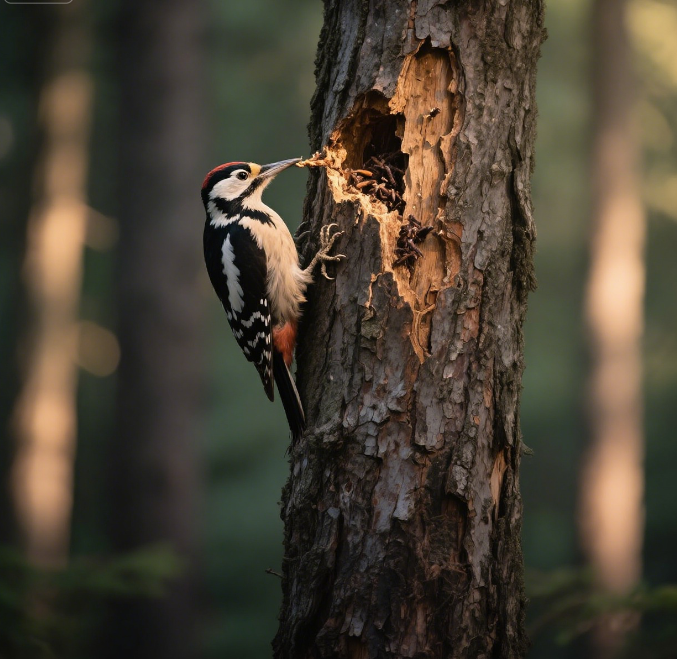
American birds play a crucial role in pest control, serving as the “natural guardians” of agriculture and forests. Woodpeckers, with their unique woodpeckering skills, can precisely locate insect larvae hidden within tree trunks, such as those of longhorn beetles. A single woodpecker can consume hundreds of insects in a day, effectively curbing insect damage to trees and safeguarding forest health. In agricultural ecosystems, birds such as swallows and sparrows feed on crop pests like locusts and aphids. For example, during locust outbreaks, flocks of swallows dart through fields to feed, significantly reducing locust populations and minimizing crop losses from pest damage, thereby safeguarding agricultural production. Birds' natural control of pests and diseases reduces pesticide use, lowers environmental pollution, and maintains the healthy functioning of ecosystems.
(3)Indicators of ecological changes
American birds are highly sensitive to changes in the ecological environment and serve as “indicator species” for ecological quality. The migration routes and habitat preferences of many migratory birds are closely tied to environmental conditions. For example, Arctic terns migrate annually between the Arctic and Antarctic regions, and changes in their migration timing and routes reflect the impact of global climate change on their habitats. When wetlands are destroyed and water pollution intensifies, waterbirds that depend on wetlands for survival, such as the American white pelican and the roseate spoonbill, experience a significant decline in population size and a narrowing of their distribution range. By monitoring bird populations, distribution ranges, and behavioral patterns, scientists can promptly understand trends in ecological changes, providing crucial evidence for ecological conservation and environmental restoration.
(4)Promoting Material Cycling in Ecosystems
In the material cycle of ecosystems, American birds also play a crucial role. Through respiration, they convert organic matter into inorganic substances like carbon dioxide, releasing them into the atmosphere and participating in the carbon cycle. Bird droppings are rich in nutrients such as nitrogen, phosphorus, and potassium. When these droppings return to the soil, they provide nutrients for plant growth, enhance soil fertility, and accelerate the circulation of materials within the ecosystem. Additionally, some scavenger birds, such as the red-headed vulture, feed on animal carcasses. Their presence accelerates the decomposition process of carcasses, prevents the spread of diseases, and reintroduces nutrients from the carcasses back into the ecosystem's material cycle.
(5)Promoting Ecotourism and Biodiversity Conservation
The rich avian resources of the Americas attract numerous bird enthusiasts and ecotourists. For example, the Galápagos Islands in Ecuador, renowned for their unique bird species such as Darwin's finches and blue-footed boobies, have become a globally famous bird-watching destination. The development of ecotourism not only brings economic benefits to local communities but also raises public awareness of biodiversity conservation. To protect these precious bird resources and their habitats, local governments and environmental organizations intensify efforts to protect the ecological environment, establish nature reserves, and formulate relevant conservation policies and regulations. This ecotourism-based conservation model achieves a positive interaction between economic development and ecological protection, thereby advancing biodiversity conservation efforts.
American birds play multiple roles in nature, including seed dispersal, pest control, ecological indicators, facilitators of material cycles, and catalysts for biodiversity conservation. They are closely interconnected with the ecosystems of the American continent, forming a mutually dependent relationship. However, American birds are now facing numerous threats, including habitat destruction, climate change, environmental pollution, and illegal hunting. Protecting American birds is about safeguarding the ecological balance and biodiversity of the entire natural world. This is not only for the survival of these beautiful creatures but also for the survival and development of humanity itself.
The above content highlights the importance of American birds from multiple perspectives. If you feel that certain sections require additional examples or have other suggestions for revisions, please feel free to let me know.