In the vast forests, grasslands, and wetlands of the Americas, birds serve as nature's “ecological guardians,” playing an irreplaceable role in pest control within plant ecosystems. Through diverse predation strategies and ecological interactions, they maintain ecological balance, safeguard the healthy growth of vegetation, and have profound implications for local ecology, economy, and environment.
1. Birds' pest predation behavior
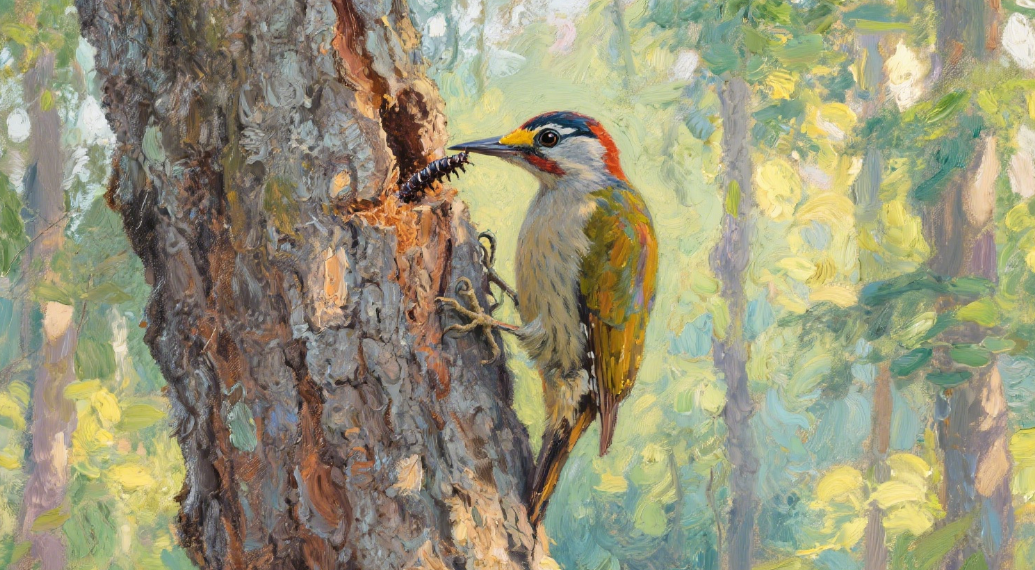
The Americas are home to a rich variety of bird species, which form a vast and efficient pest predation network. Woodpeckers are the “specialized doctors” of trees, equipped with sharp beaks and long tongues that allow them to precisely peck through bark to locate hidden pests such as bark beetle larvae and longhorn beetles within tree trunks. Statistics show that a single woodpecker can consume over a hundred pests daily, effectively curbing the damage caused by these pests to tree trunks, protecting the health of tree trunks in forests, and preventing trees from withering and dying due to pest infestations.
Small songbirds like titmice and thrushes are active in the forest canopy and shrubbery, feeding primarily on lepidopteran larvae (such as pine caterpillars and inchworms) and aphids. These pests often gather on leaves, feeding heavily on young leaves and buds, severely impairing plant photosynthesis and growth. Small songbirds, with their keen vision and agile bodies, can swiftly capture these pests. During the breeding season, a single titmouse may capture hundreds of pests daily to feed its chicks, resulting in a significant reduction in pest populations and alleviating the pressure of pest damage on vegetation.
Owls are nocturnal “silent hunters” that primarily prey on small mammals such as field mice and shrews. These animals damage crops by feeding on their roots and seedlings, causing severe destruction to farmland vegetation. Owls, with their excellent night vision and silent flight capabilities, quietly strike at night, effectively controlling rodent populations and protecting crops and other plants in farmland.
2. The regulatory role of birds in pest populations
The predatory behavior of birds has a significant regulatory effect on pest populations, which is evident both temporally and spatially. From a temporal perspective, during the peak reproduction period of pests, birds' food requirements also increase accordingly. They intensify their predation efforts, keeping pest populations within a certain range and preventing large-scale outbreaks. For example, during spring and summer, many insects enter their active reproduction phase, while birds enter their breeding season. Parent birds need to capture large quantities of pests to feed their chicks, which exerts a strong inhibitory effect on pest population growth.
From a spatial perspective, different bird species occupy distinct ecological niches, each taking on pest control responsibilities in specific regions. Forest birds protect trees and understory vegetation, wetland birds control aquatic plant pests, and birds near farmlands safeguard crops. This spatial division of labor ensures that pests across the entire ecosystem remain within the effective monitoring and predation range of birds, forming a comprehensive pest control system. Over time, prolonged predation pressure alters the genetic structure of pest populations. Individuals that are easier to prey upon are gradually eliminated, while those with more concealed forms, more complex defense mechanisms, or greater adaptability to environmental changes survive, driving pest populations toward evolution that better adapts to coexistence with birds.
3. The ecological significance of bird-based pest control
Bird-based pest control has multiple positive implications for local ecosystems in the Americas. First, it maintains ecosystem biodiversity. By controlling pest populations, birds protect the survival of numerous plant species, which in turn provide food and habitats for other organisms, thereby enhancing the overall species richness of the ecosystem. For example, in tropical rainforests, birds' control of pests ensures the growth of various tropical plants, which provide habitats and breeding grounds for numerous organisms such as monkeys, tree frogs, and butterflies, thereby maintaining the complex biological chain of the tropical rainforest ecosystem.
Secondly, bird-based pest control reduces the use of chemical pesticides. In agricultural production, the excessive use of chemical pesticides not only pollutes soil, water sources, and air but also disrupts ecological balance and affects the survival of non-target organisms. As natural pest controllers, birds can effectively manage pests without damaging the environment, reducing reliance on chemical pesticides in agricultural production and protecting both the ecological environment and human health.
Additionally, healthy vegetation plays a crucial role in carbon sequestration, oxygen release, and soil and water conservation. Birds protect vegetation, indirectly promoting these ecological services. For example, forest vegetation, protected by birds, grows healthily, absorbing more carbon dioxide, releasing oxygen, and alleviating global warming; simultaneously, stable vegetation root systems help maintain soil and water, reducing soil erosion and the occurrence of floods and waterlogging.
4. Challenges and Conservation Measures
Although birds in the Americas play a crucial role in pest control, they face numerous challenges. Habitat destruction, climate change, environmental pollution, and illegal hunting by humans have led to a decline in many bird populations, impairing their pest control functions. To protect these ecological guardians, a series of measures must be implemented.
On one hand, efforts should be strengthened to protect and restore habitats. Establish nature reserves, national parks, and other protected areas to provide safe habitats and breeding grounds for birds; implement ecological restoration projects to restore damaged forests, wetlands, and other ecosystems, thereby increasing food resources and habitat areas for birds. On the other hand, reduce the use of chemical pesticides, promote ecological agriculture and biological pest control technologies, and minimize pesticide pollution affecting birds and their habitats. Additionally, public education should be strengthened to raise awareness of the importance of bird conservation and reduce illegal hunting and other activities that harm bird populations. Simultaneously, scientific research should be conducted to gain a deeper understanding of birds' ecological habits and survival needs, providing a basis for developing more effective conservation strategies.
American birds play an indispensable role in local pest control due to their unique ecological functions. Protecting birds and their habitats is not only necessary for maintaining ecological balance but also an important measure for ensuring human sustainable development. We should fully recognize the value of birds, take proactive actions, and create a favorable living environment for these “pest control experts” of nature, enabling them to continue safeguarding ecological security and green development in the Americas.
The above highlights the importance of birds in the Americas from multiple perspectives. If you are interested in specific pest control cases involving certain bird species or wish to learn more about conservation measures, please feel free to let me know. 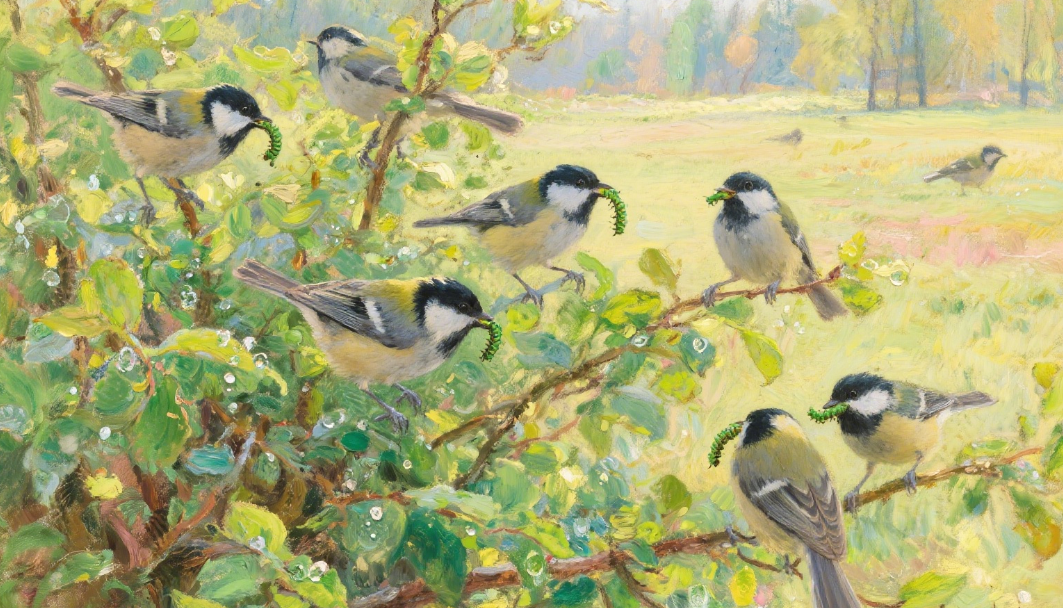
The importance of American birds in controlling local plant pests
Jul 1, 2025 Bird knowledge presenters