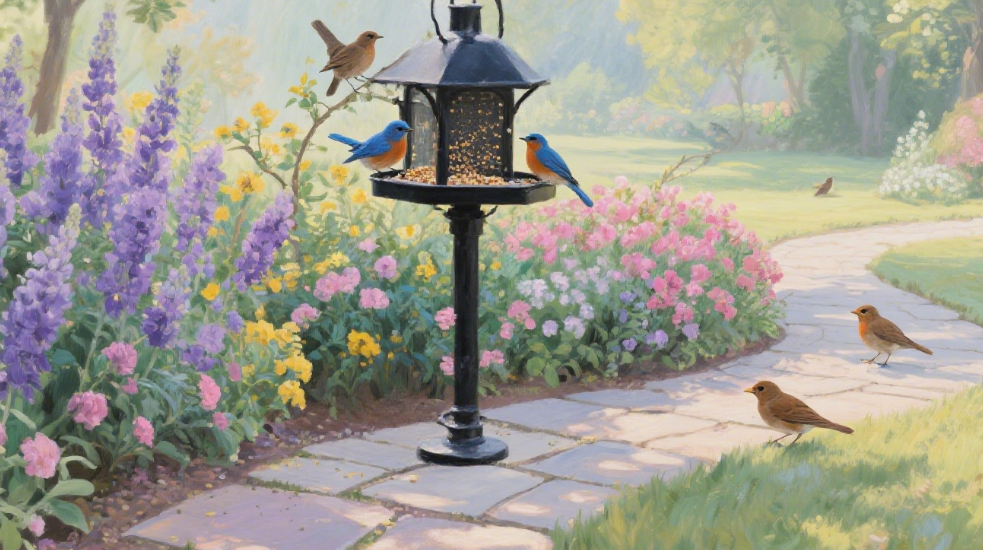
In the backyard ecosystems of the Americas, bird feeding has proven to be highly effective in pest control and also holds significant importance in multiple aspects.
From an effectiveness perspective, first and foremost, birds serve as natural predators for numerous backyard pests. Many common backyard birds, such as robins, bluebirds, and chickadees, have diets that include a large proportion of insects and larvae. For example, robins particularly favor earthworms and grubs, while chickadees prey on aphids, beetles, and caterpillars found on trees and plants. By setting up feeding stations in the garden, these birds can be attracted to reside and forage there. During their foraging activities, they will actively prey on insects in the garden, thereby significantly reducing insect populations.
Secondly, birds have a wide and sustained range of activity. They forage in various corners of the garden, including lawns, flower beds, trees, and shrubs, unlike chemical pesticides that have application blind spots. Moreover, birds' foraging behavior is long-term. As long as the courtyard provides them with a suitable living environment (including food sources), they will continue to play a pest control role, effectively controlling the reproduction and growth of insect populations, thereby forming a natural and sustainable pest control mechanism.
Furthermore, the presence of birds can also deter insects. Some pests may alter their behavior patterns in response to bird activity, such as reducing daytime activity or avoiding areas frequently visited by birds, thereby minimizing harm to garden plants. While this deterrent effect does not immediately reduce pest populations like direct predation, it can effectively mitigate pest damage over the long term.
From a broader perspective, first, this is an environmentally friendly and healthy pest control method. Compared to using chemical pesticides, bird feeding does not release toxic or harmful substances into the garden environment, avoiding pollution of soil, water sources, and air. It also does not harm other organisms in the garden (such as pets or beneficial insects) and does not lead to pest resistance, thereby helping to maintain the balance and stability of the garden ecosystem and aligning with sustainable development principles.
Second, it promotes the healthy growth of garden plants. Insects are one of the primary threats to garden plants, as they feed on leaves, stems, flowers, and fruits, affecting plant growth and aesthetic value, and in severe cases, leading to plant death. By using bird feeding to deter insects, the damage caused by insects to plants can be reduced, allowing flowers, trees, and shrubs in the garden to thrive and maintain the garden's beauty and vitality.
Thirdly, it can enrich the biodiversity of the garden. Attracting birds to nest and forage can turn the garden into a small ecological paradise. Besides birds, it may also attract other organisms related to birds, such as insects that feed on bird droppings, thereby increasing the number of species and interactions within the garden's ecosystem, making the entire ecosystem more complex and stable.
Fourth, it provides people with opportunities to connect with nature and observe it. Observing various bird activities, feeding, and play in the courtyard can bring joy and enhance the quality of life. For children, this also serves as a vivid natural education classroom, helping to cultivate their love for nature and awareness of its protection.
In summary, bird feeding in American gardens, through the natural predation and deterrent effects of birds, can effectively deter insects and has significant importance in terms of environmental protection, plant conservation, biodiversity, and cultural aspects. It is a garden management method worth promoting. 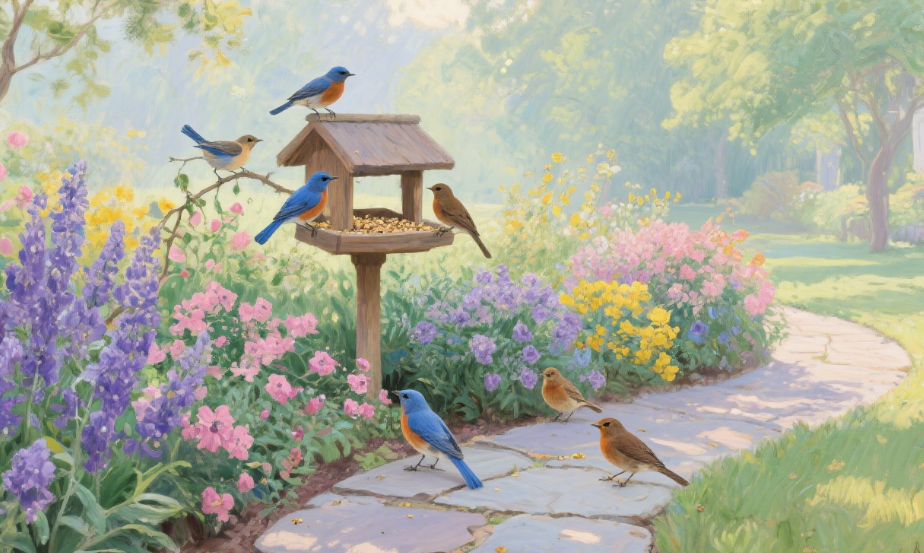
The effectiveness and significance of feeding birds in American gardens for repelling insects
Jul 23, 2025 Bird knowledge presenters