Across the vast expanse of the American continent, flying birds are not only an integral part of ecosystems but also hold a pivotal role in local cultures. Whether soaring through the skies or nesting in dense forests, they embody unique postures and behaviors, serving as vivid symbols of human culture and the spiritual realm. From the majestic bald eagle of North America to the vibrantly colored macaw of South America, each bird carries specific cultural symbolism, embodying the diverse cultures of the Americas.
(1) North America: Symbols of Strength and Freedom
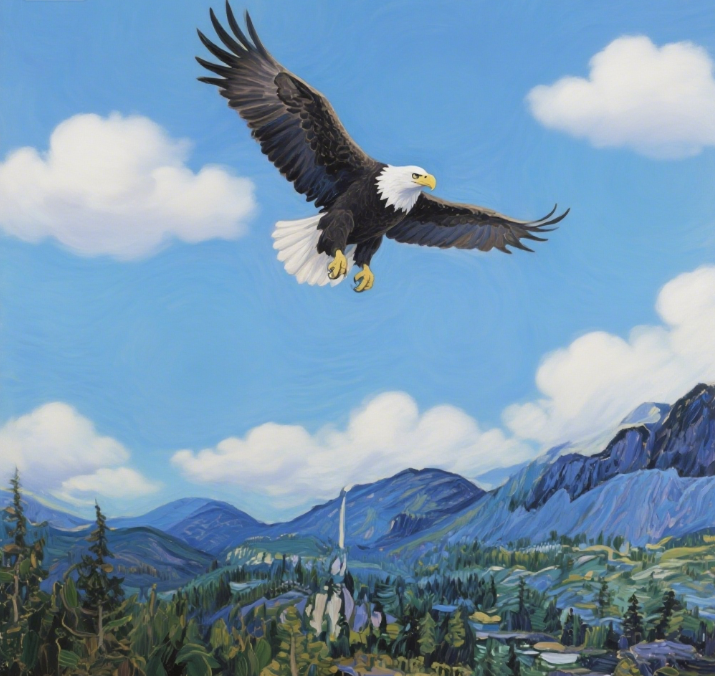
Bald Eagle
The bald eagle is undoubtedly one of the most iconic birds of North America, embodying strength and freedom with its majestic form and piercing gaze. In American culture, the bald eagle holds the highest status, having been chosen as the national bird of the United States since 1782. Its image appears on the American coat of arms, military insignia, and other important symbols. This choice was not accidental. The bald eagle's powerful hunting abilities and its graceful flight in the sky align perfectly with the American ideals of independence, strength, and freedom.
In Native American cultures, the bald eagle is equally revered. Many tribes regard it as a sacred messenger, believing it can connect the human world with the divine realm and possess extraordinary spiritual power. For example, in Native American legends, the feathers of the bald eagle are said to possess magical powers, used in religious ceremonies and healing rituals, symbolizing blessings, healing, and protection. During tribal celebrations and important ceremonies, people wear headdresses made from bald eagle feathers to express reverence for the divine and a longing for strength.
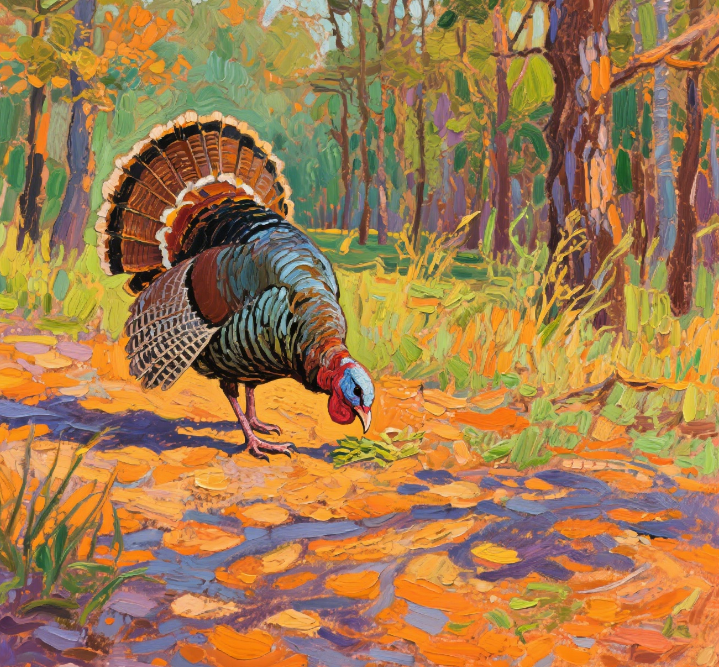
Wild Turkey
The wild turkey is a bird unique to North America, and its image in local culture is quite diverse. Before the arrival of European colonizers, the wild turkey was an important food source for Native American tribes, providing people with abundant protein. Therefore, it symbolized survival and abundance in indigenous culture, becoming an indispensable part of tribal life.
With the settlement of European colonists, wild turkeys gradually became associated with Thanksgiving. Legend has it that during the first Thanksgiving in 1621, settlers and Native Americans shared a feast of wild turkeys and other delicacies to celebrate the harvest and express gratitude. Since then, wild turkeys have become a iconic dish on Thanksgiving tables, embodying the cultural values of gratitude, reunion, and sharing, and have also become one of the most representative symbols of American culture.
(2) Central America: Embodiment of Mystery and Sacredness
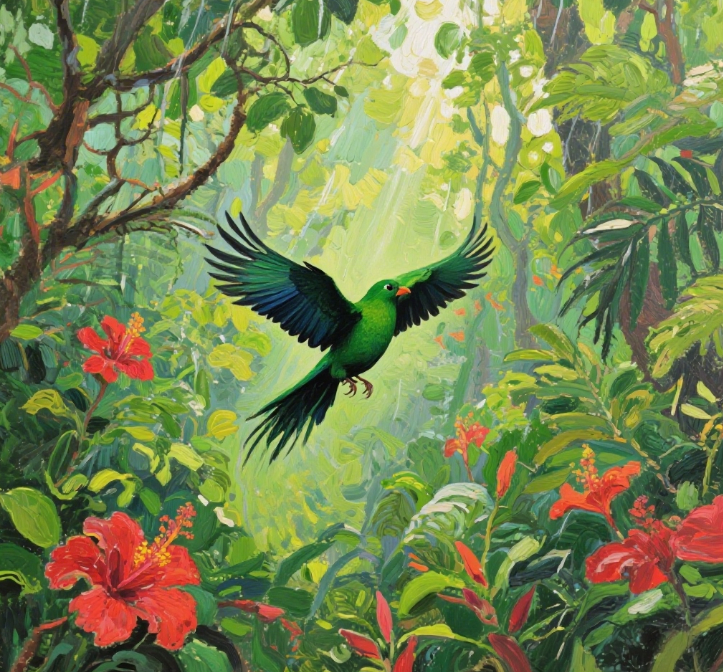
Quetzal
The Green-backed Quetzal is hailed as the “national bird” of Central America and holds an extremely sacred status in Maya and Aztec civilizations. Its vibrant plumage, especially the male's tail feathers, which can reach up to 1 meter in length, shimmer like emeralds and are regarded as a sacred symbol. In Maya culture, the Green-backed Parrot is believed to be the incarnation of the feathered serpent god Kukulcan, who was a deity revered by the Maya for his control over rain, harvest, and civilization. As a result, the Green-backed Parrot is also imbued with the meaning of bringing good fortune, prosperity, and wisdom.
The Aztecs also revered the green-tailed jay, viewing its feathers as precious offerings, which could only be worn by nobles and priests. They believed that wearing the feathers of the green-tailed jay could grant divine protection, enhance one's strength, and elevate one's spiritual power. In modern Central American countries like Guatemala, the green-tailed jay has been chosen as the national bird, its image appearing on the national flag and coat of arms, symbolizing national independence and ethnic spirit, carrying the Central American people's inheritance and pride in ancient civilization.
Flamingo
In the wetlands and coastal regions of Central America, flamingos captivate people with their graceful posture and unique pink feathers. In local culture, flamingos are often associated with beauty, harmony, and love. Their habit of living in flocks symbolizes unity and mutual aid, and also implies the harmonious coexistence of family and society.
The pink feathers of flamingos also hold special cultural significance. Some legends suggest that the flamingo's color is due to their diet, which includes foods rich in astaxanthin, a natural pigment that gives them their distinctive hue. In certain cultures, pink is seen as a symbol of warmth, romance, and vitality, so flamingos are also associated with vitality and beauty, becoming symbols of love and happiness, often featured in decorations for weddings and celebrations.
(3) South America: Symbol of Color and Vitality
Macaws
Macaws in South America, with their vibrant plumage and lively demeanor, have become a symbol of color and vitality on this continent. In the indigenous cultures of South America, macaws are seen as a tangible embodiment of nature's vitality. Their vibrant plumage resembles a spilled palette of colors, symbolizing abundant creativity and endless vitality.
In many tribal myths and legends, macaws are believed to possess the ability to communicate between heaven and earth and convey messages. Their calls are regarded as divine revelations or the language of nature, and people listen to their voices to seek guidance and blessings. Additionally, macaw feathers hold significant importance in tribal rituals and decorations, used to create headdresses, masks, and other items. These not only showcase the tribe's artistic aesthetic but also convey reverence and worship for the power of nature.
In modern culture, macaws have also become an important symbol for tourism and cultural promotion in South America. They appear in various tourism promotional posters, handicrafts, and films, showcasing South America's unique natural beauty and cultural charm to the world, becoming a vibrant emblem of the region.
Andean Condor
The Andean condor is one of the largest birds in the world, inhabiting the high-altitude regions of the Andes Mountains in South America. It holds a revered status in local culture. In Inca civilization and its descendants' cultures, the Andean condor is regarded as the ruler of the sky and a messenger of the gods. It soars above the towering snow-capped peaks, believed to possess powers and wisdom beyond those of mortals, symbolizing majesty, sanctity, and eternity.
The Incas believed that the Andean condor could carry the souls of the deceased to heaven, so its image frequently appears in funeral rituals and religious beliefs. Its feathers and statues are used as sacred objects to protect the souls of the deceased, expressing people's reverence and anticipation for the cycle of life and the afterlife. In modern South American countries, the Andean condor remains a symbol of national dignity and ethnic spirit, appearing on the national emblems of countries such as Argentina and Bolivia, inspiring people to pursue excellence and bravely face challenges.
The above illustrates the cultural significance of birds in the Americas from multiple perspectives. If you wish to delve deeper into the cultural connotations of a particular bird or have additional inquiries, please feel free to reach out to me at any time.