“Bird feeders in the American courtyard” typically feature unique designs and functional characteristics. Compared to other common bird-feeding tools, their superiority is primarily reflected in the following aspects:
Design and Aesthetics
Blending into the Environment
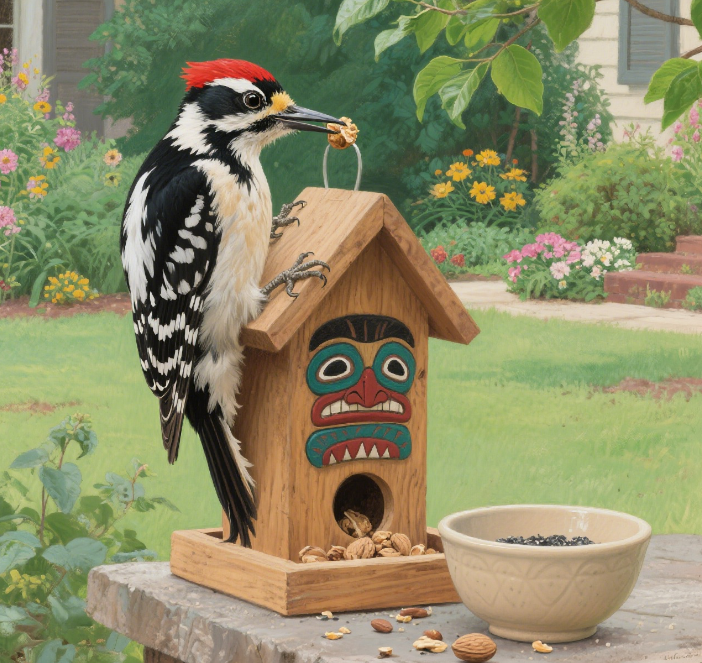
The design of bird feeders in American gardens often emphasizes harmony with the natural environment, incorporating elements such as local architecture, plants, or animals. For example, they may feature Native American-style totem designs or mimic the appearance of redwood trees, seamlessly integrating into the natural landscape of American gardens and serving as part of the garden's decor, enhancing its natural ambiance and cultural depth.
Color Coordination: In terms of color selection, they often use hues that harmonize with the natural environment of the Americas, such as earthy yellow, brown, and green. These colors attract birds' attention without being overly conspicuous, complementing the flowers, plants, and trees in the garden to create a harmonious visual effect.
Functionality and Practicality
Food Storage and Preservation: Some American-style bird feeders are equipped with large-capacity food storage compartments, reducing the need for frequent refills. Additionally, they feature sealed designs and efficient ventilation systems to prevent food from becoming damp, moldy, or spoiled, ensuring freshness and providing birds with healthy food.
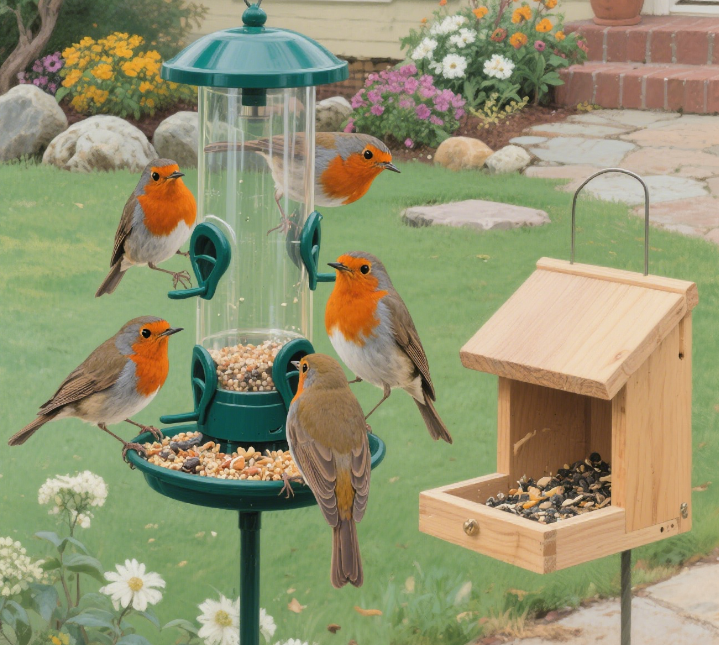
Weather Resistance: Considering the unpredictable outdoor environment, these bird feeders typically have excellent weather resistance. For example, they may have a sloped roof design to effectively guide rainwater away, preventing it from accumulating inside the feeder; some feeders also use waterproof and UV-resistant materials, such as specially treated wood or weather-resistant plastic, to extend the feeder's lifespan.
Easy Cleaning and Maintenance: Easy cleaning is a key advantage of American-style backyard bird feeders. They typically feature a removable design, allowing users to disassemble components for cleaning, effectively removing food residues, bird droppings, and other debris to maintain hygiene, reduce bacterial and viral growth, and create a healthy feeding environment for birds.
Versatility and user-friendliness
Attracting diverse bird species: Through thoughtful structural design and food placement, these feeders cater to the feeding needs of various bird species. For example, feeding ports of different heights and sizes are designed to accommodate both small songbirds and larger birds like woodpeckers; some bird feeders also feature perching bars around the edges to provide birds with a place to rest and feed.
Safety and Reliability: The design prioritizes the safety of both birds and users. In terms of material selection, non-toxic, eco-friendly materials are used to ensure no harm to birds; In terms of structural design, the stability of the bird feeder is ensured to prevent it from being blown over by wind or knocked over by animals, thereby avoiding harm to birds and the surrounding environment.
Excellent viewing experience: The location and angle are designed reasonably to allow people to observe birds feeding in indoor or courtyard settings, enabling close-up observation of birds' living habits and behavioral characteristics. This enhances interaction and connection between humans and nature, adding joy to courtyard living.