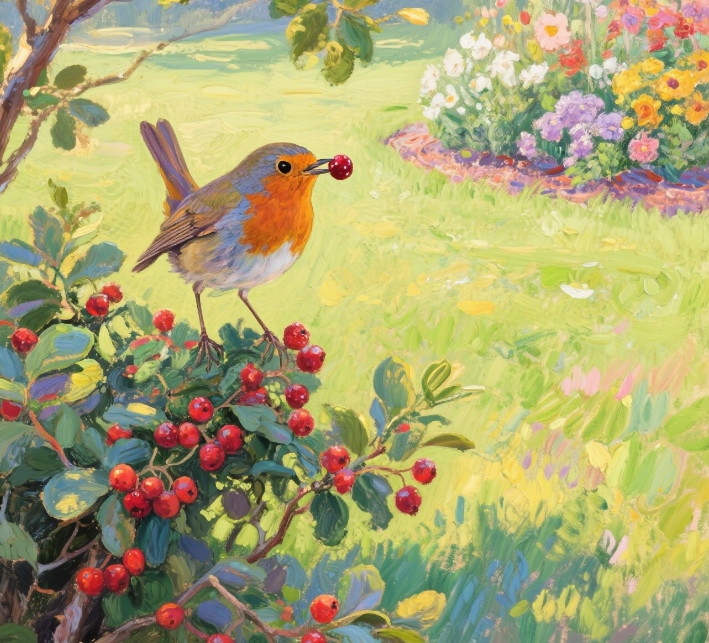
In the courtyard ecosystems of the Americas, birds play a crucial role, interacting with organisms across all trophic levels and providing multifaceted practical value for the stability and prosperity of the entire ecosystem.
For the plant layer, birds are important seed dispersers. Many birds consume plant fruits during foraging, and the seeds within these fruits are dispersed to different parts of the garden through the birds' digestive systems and excrement. This dispersal method helps plants expand their growth range and increase their distribution diversity. For example, American robins enjoy eating various berries. As they move around the garden, they carry berry seeds to new locations, promoting the reproduction of these plants within the garden. Additionally, some birds collect plant branches, leaves, and fibers when building nests, which can influence plant growth to some extent. However, overall, this influence primarily promotes the recycling of plant resources.
For insects, birds are one of the primary predators, and their predatory behavior effectively regulates insect populations. Common birds in gardens, such as sparrows and blue jays, primarily feed on insects, consuming large numbers of pests like aphids, caterpillars, and beetles. This not only reduces the damage caused by pests to plants in the garden, lowers the likelihood of plant diseases and pests, but also maintains the balance of insect populations, preventing the overpopulation of a single insect species from disrupting the ecosystem. For example, woodpeckers peck holes in tree trunks to feed, thereby capturing insects hiding inside the trunks and protecting the trees in the garden.
For small mammals, birds have a complex relationship with them. On one hand, some birds compete with small mammals for food resources like seeds and fruits. This competition can push both sides to improve their ability to obtain resources, which is beneficial for species evolution. On the other hand, the presence of birds also serves as a warning signal for small mammals. When danger approaches, birds emit alarm calls, allowing small mammals to avoid danger promptly and increase their chances of survival. Additionally, bird nests sometimes serve as temporary shelters for small mammals, providing them with a safe haven.
For the microbial layer, bird droppings provide rich nutrients for microorganisms. Bird droppings contain large amounts of organic matter, nitrogen, phosphorus, and other elements, which are essential for microbial growth and reproduction. During the decomposition of these substances, microorganisms convert them into nutrients that plants can absorb and utilize, thereby enhancing the fertility of the garden soil. Additionally, microbial activity aids in the decomposition of organic matter such as fallen branches and leaves in the garden, accelerating the rate of material cycling and maintaining the material balance of the ecosystem.
In summary, birds in American gardens play an irreplaceable practical role in material cycling, population regulation, and the maintenance of biodiversity through their interactions with organisms across all trophic levels, making them an indispensable component of the garden ecosystem.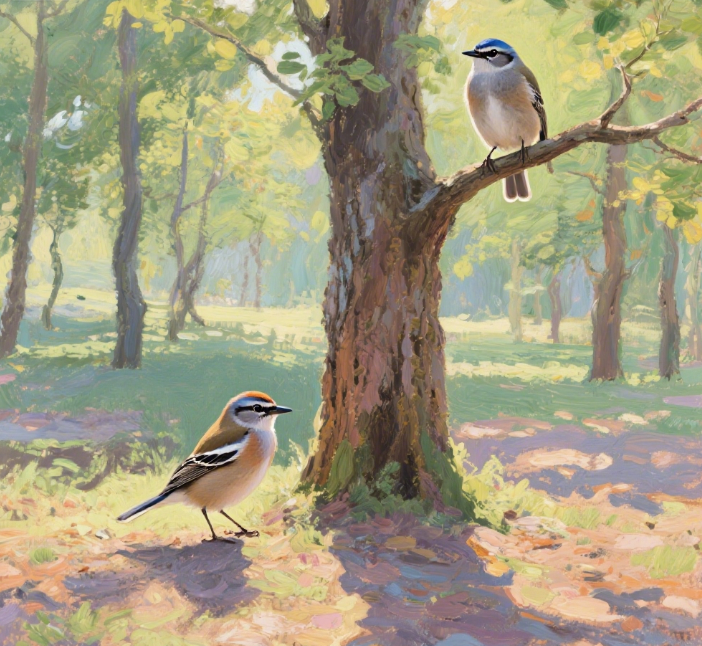
The actual value that birds in American gardens provide to organisms of all levels
Jul 8, 2025 Bird knowledge presenters