Under the scorching sun of the American continent, as the mercury in thermometers continues to rise, humans can seek refuge in air-conditioned rooms to escape the heat. But how do American birds survive in such extreme temperatures? These agile creatures, armed with survival wisdom honed over millions of years of evolution, have developed a series of unique strategies to persistently continue their life trajectories amid heatwaves.
(1) Physiological Regulation: Inherent Cooling Mechanisms
Many American birds possess special physiological structures that help them maintain body temperature balance in high temperatures. For example, some wading birds and waterfowl have large bills, which serve not only as tools for hunting but also as natural “cooling systems.” The American white heron, for instance, dissipates heat from its body into the air through the vascular network in its bill during hot weather. As hot air flows over the beak, the blood in the beak's blood vessels cools down, and the cooled blood returns to the body, thereby achieving cooling. Woodpeckers, on the other hand, regulate their body temperature through their unique breathing patterns. They increase their breathing rate, rapidly panting to allow air to flow quickly through their respiratory tract, promoting water evaporation to carry away heat, akin to a “cooling system” for birds.
Bird feathers also play a crucial role in heat dissipation. In hot weather, birds adjust their feather condition by slightly raising their feathers, allowing air to flow between them, forming an insulating layer that reduces heat absorption from the outside. Simultaneously, the air flowing between the feathers aids in dissipating body heat, helping to maintain stable body temperature.
Behavioral Patterns: Ingenious Survival Strategies for Coping with High Temperatures
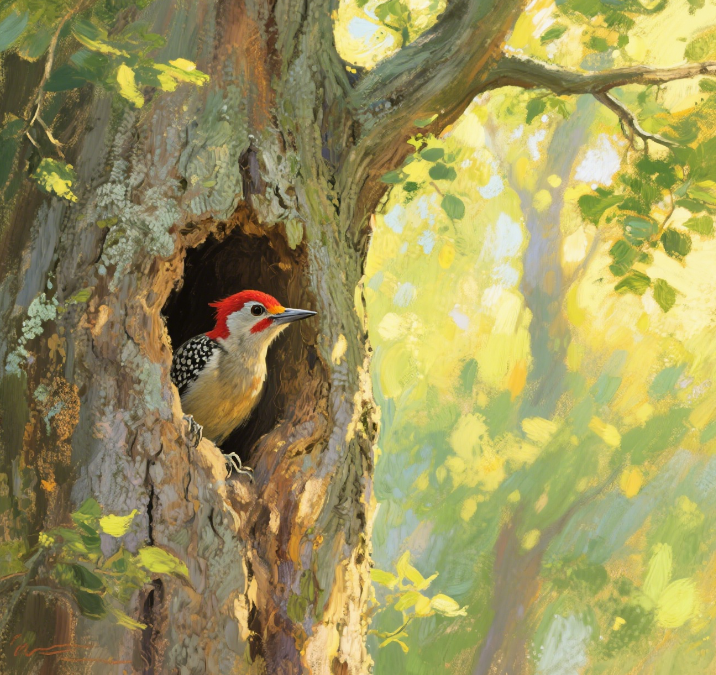
Behavioral adjustments are another key strategy for birds in the Americas to cope with hot weather. During the hottest part of the day, most birds reduce their activity levels, choosing to rest in shaded tree canopies or shrubbery to avoid direct sunlight. For example, the red-headed woodpecker hides in tree cavities, utilizing the shade and relatively cooler internal temperatures of trees to escape the heat. Hummingbirds enter a state of “hibernation,” similar to winter dormancy, slowing their metabolism to reduce energy consumption and heat production, thereby maintaining a lower body temperature to endure the sweltering midday heat.
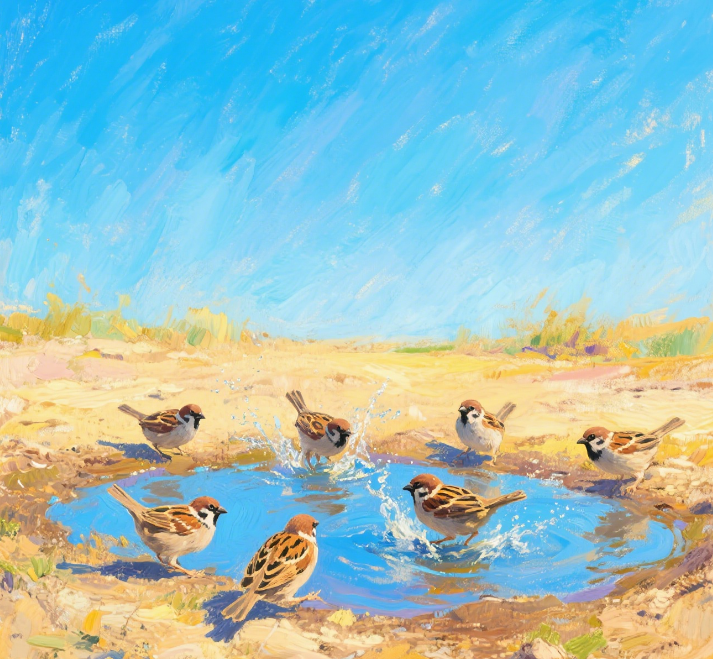
In addition to reducing activity, drinking water and bathing are common methods birds use to cool down. In hot desert regions, sandgrouse seek water sources in the early morning and evening to replenish fluids and regulate body temperature, preventing dehydration. Many birds also take water baths; for example, sparrows splash around in small puddles, allowing water to soak their feathers. As the water evaporates, it carries away body heat, achieving a cooling effect. Some birds opt for sand baths, rolling in sandy areas to absorb heat and oils from their bodies, keeping themselves dry and cool.
(2) Habitat Selection: Seeking Natural Cooling Spots
For birds in the Americas, habitat selection becomes particularly critical during hot weather. Some birds choose to live near water sources, such as wetlands, rivers, and lakes. These areas not only provide ample water for drinking and bathing but also create a relatively cool microclimate due to the evaporative cooling effect of the water surface. Mallards, for example, prefer to inhabit areas near lakes and rivers, where they can access abundant food resources and cool off by entering the water during hot weather.
Birds in forests choose dense tree canopies as their summer retreats. Tall trees with lush foliage effectively block sunlight, creating a shaded environment. The canopy layer has good air circulation, which helps dissipate heat. For example, the blue magpie hides deep within the canopy during hot weather to enjoy the relatively comfortable temperature and humidity there. In mountainous areas, some birds migrate vertically in response to temperature changes. When temperatures at the base of the mountains become too high, they fly to higher elevations with cooler temperatures to seek suitable habitats.
(3) Dietary Adjustments: Energy and Hydration
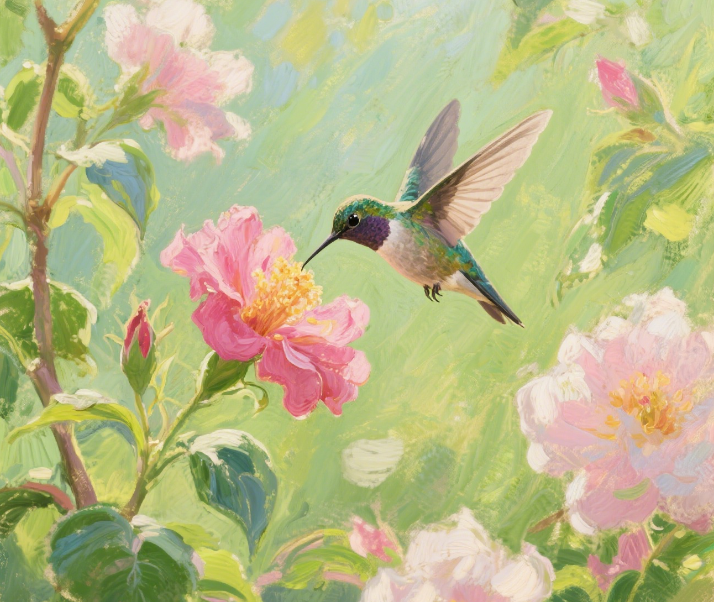
During hot weather, the dietary structure of American birds also changes. To replenish energy lost through heat dissipation and activity, they increase their feeding frequency and choose foods rich in water and nutrients. Hummingbirds consume more nectar, which not only provides abundant energy but also contains some water; insect-eating birds prey on insects with high water content, such as caterpillars, which provide both protein and the water their bodies need. Additionally, some birds consume juicy berries and fruits. For example, thrushes consume large quantities of blueberries, strawberries, and other berries during the summer to meet their dual needs for water and nutrients.
Hot weather poses significant challenges to the survival of American birds, but through various strategies such as physiological regulation, behavioral changes, habitat selection, and dietary adjustments, they have successfully adapted to high-temperature environments. These survival strategies not only demonstrate the remarkable adaptability of birds but also provide valuable insights into the relationship between organisms and their environment. As global warming continues, American birds will face even greater challenges in the future. Whether they can continue to survive using these adaptive strategies warrants ongoing attention and in-depth research.
The above provides a multi-dimensional overview of the high-temperature survival strategies of American birds. If you are interested in specific bird species or related topics, feel free to reach out to me for further discussion.