In the vibrant ecological tapestry of Earth, birds serve as the delicate brushstrokes that outline the intricate balance of natural systems. They are not only the spirits of the sky but also an indispensable key component of ecosystems, influencing every aspect of life from material cycles to the maintenance of food chains, thereby profoundly impacting the functioning of nature.
(1) Guardians of Ecological Balance
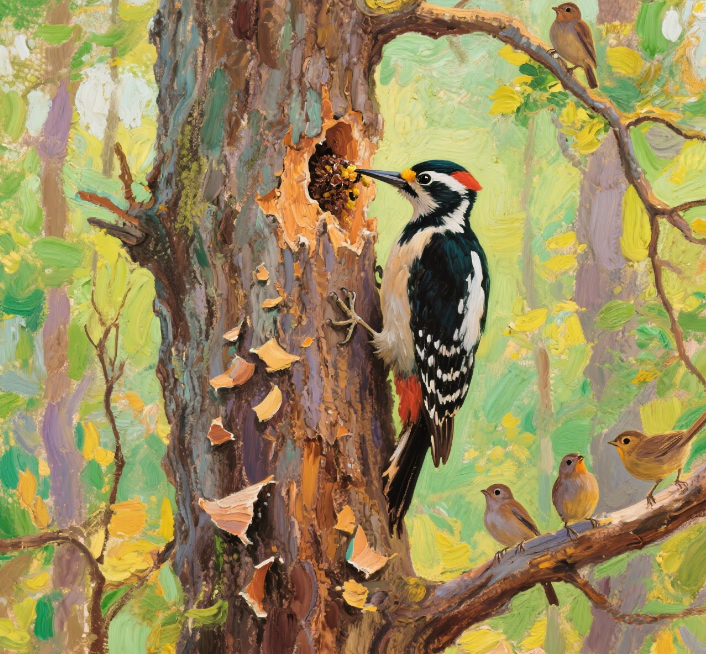
Birds occupy multiple critical nodes in the food chain, serving as vital regulators of ecological balance. Predatory birds such as owls and eagles prey on rodents like field mice and wild rabbits, effectively controlling their populations. According to statistics, a single owl can consume over 1,000 field mice annually, reducing grain losses by approximately one ton, making it of significant importance for agricultural ecological conservation. Woodpeckers are hailed as “forest doctors,” as they can precisely locate pests like longhorn beetle larvae and bark beetles within tree trunks. A single woodpecker can consume around 1,500 pests daily, helping to curb forest pest outbreaks and maintain the health and stability of forest ecosystems. Insectivorous birds also play an indispensable role. A great tit can consume insects weighing as much as its own body weight in a single day, while a magpie can consume over 15,000 pine caterpillars annually, significantly reducing pest damage to forest vegetation. Through their predatory behavior, these birds prevent the overpopulation of single species, maintaining the species diversity and structural stability of ecosystems.
(2) Facilitators of plant reproduction
Birds play an irreplaceable role in plant seed dispersal and pollination. Many birds have migratory habits, and during their flights, they consume plant fruits. The seeds pass through their digestive tracts and are expelled with feces, spreading to areas far from the parent plants and expanding the plants' distribution range. Research indicates that for some tropical plants, such as fig trees and palm trees, over 90% of seed dispersal relies on birds. Hummingbirds, sunbirds, and other nectar-feeding birds collect pollen on their bodies while feeding on nectar. As they move to other flowers, they complete the pollination process, promoting plant reproduction and genetic exchange. In some regions, bird pollination contributes over 70% to the reproductive success of certain plants, playing a crucial role in maintaining plant community diversity and ecosystem stability.
(3) Environmental quality monitors
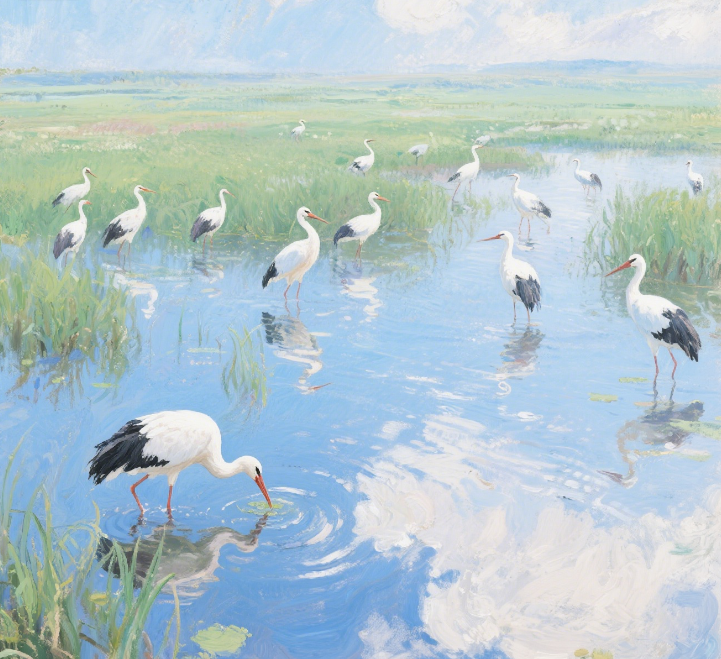
Birds are highly sensitive to environmental changes, and changes in their population size, distribution range, and behavior can directly reflect the health of the ecological environment. Wetlands serve as habitats for many migratory birds. As wetland environments deteriorate, the populations of rare migratory birds such as the Oriental white stork and black-necked crane have sharply declined, sparking heightened concern for wetland ecological conservation. Conversely, when the ecological environment improves, bird populations and species diversity increase significantly. For example, after ecological restoration, the number of bird species in the West Lake Wetland in Hangzhou, Zhejiang Province, China, increased from 89 before restoration to 221 today, serving as a vivid example of improved environmental quality. Additionally, bird feathers, blood, and other tissues can be used to detect pollutant levels in the environment, providing crucial evidence for scientists to assess the extent of environmental pollution.
(4) Promoters of material cycles
Birds play a crucial role in material cycles. By consuming plants and animals, they ingest organic matter, which is then digested and absorbed, and nutrients are returned to the soil in the form of feces. Bird droppings are rich in nutrients such as nitrogen, phosphorus, and potassium, which enhance soil fertility and promote plant growth. For example, seabirds gather in large numbers on islands, and their droppings accumulate to form guano layers, which become unique ecological resources for the local area. Guano not only provides nutrients for plants on the island but also influences the surrounding marine ecosystem. Its nutrients are washed into the ocean by rain, promoting the growth of plankton and providing the basic energy for the marine food chain.
Birds play a vital role in the functioning of nature through their diverse ecological functions, serving as a crucial safeguard for the stability and healthy development of ecosystems. Protecting birds and their habitats is essential for maintaining the balance and prosperity of Earth's ecosystems and preserving the natural environment upon which human survival depends.
The above highlights the importance of birds in nature from multiple perspectives. If you wish to learn more about the specific roles of certain bird species or discuss measures for bird conservation, please feel free to let me know.