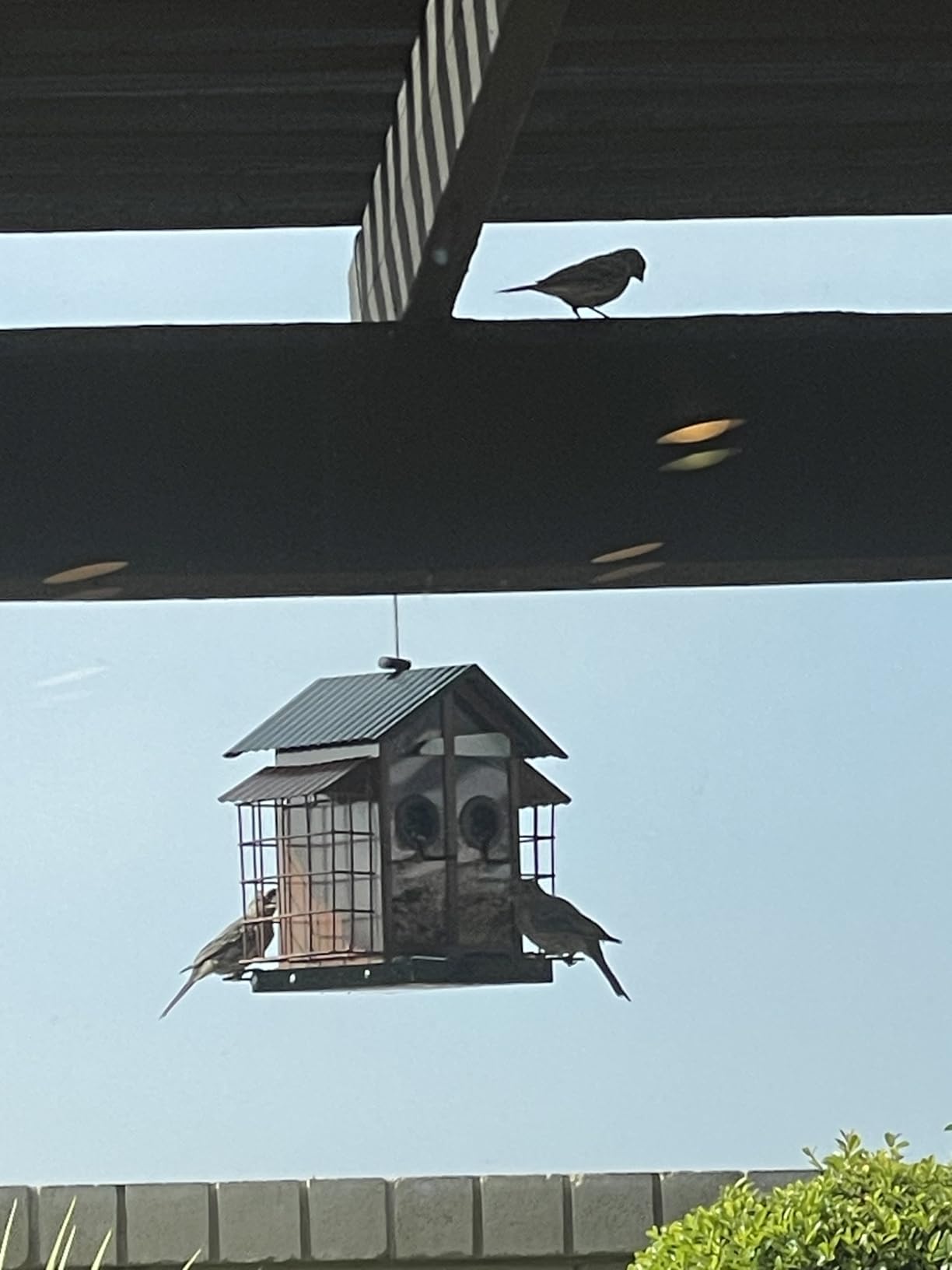
Recently, there has been a problem of "dirty disturbance" caused by bird gatherings in many courtyards in the Americas, mainly manifested as bird droppings contaminating the ground, vehicles and drying items, nest accumulation blocking drainage outlets, and morning chirping interfering with rest. The emergence of these problems is often related to seasonal migration, habitat changes, and increased attractiveness of courtyard environments. Faced with such situations, birds in the courtyard have adapted and adjusted through their own behavior, while humans have also taken scientific and humane intervention measures, forming a dual response model of "natural adaptation of birds+human collaborative governance".
Common birds in American courtyards, such as sparrows, mockingbirds, blackbirds, and house swallows, have strong environmental adaptability. Faced with local environmental changes caused by pollution, they will reduce disturbance by changing their habitat, foraging, and activity habits, while maintaining their own survival needs.
1. Active migration of habitat location
When a certain area accumulates feces due to bird aggregation and human interference intensifies, sensitive birds will prioritize migrating to more concealed and less disturbed areas within the courtyard. For example, swallows that originally clustered under the eaves may turn to hidden places such as dense branches and leaves of tall trees in the courtyard, behind fences, or under air conditioning units to build nests if they encounter frequent nest cleaning and light interference, reducing direct contact with human activities. For birds such as blackbirds and mockingbirds that mainly forage on the ground, they will avoid areas with severe fecal accumulation and frequent cleaning operations, and turn to areas with sufficient food and less disturbance such as the edges of lawns and gaps between flowers.
2. Off peak adjustment during the activity period
To avoid peak human activities in the courtyard (such as morning cleaning, daytime drying, and evening leisure), some birds will adjust their activity periods. Sparrows that used to chirp and forage frequently from 6 to 8 in the morning will move up to 5 to 6 or later to 8 o'clock; Black orioles, crows, and other birds that live in clusters at night will shorten their stay in the courtyard or choose to return to their habitat after reducing human activity at night, reducing the amount of disturbance and conflict caused by their activities. This staggered behavior not only ensures the foraging and breeding needs of birds, but also reduces interference with human life to a certain extent.
3. Self regulation of cluster size
The size of bird clusters is directly related to food resources and habitat space. When the cleaning of food residues in the courtyard increases and the habitat space is compressed, the flock of birds will reduce their population density through dispersed activities. For example, originally dozens of sparrows gathering to feed will split into several small groups and go to different courtyards and green spaces around to forage, avoiding the accumulation of feces and resource competition caused by excessive gathering, indirectly alleviating local pollution problems.
We recommend our Flowafoli bird feeder!