When using bird feeders to observe colorful birds in an American-style garden, there are several important considerations to keep in mind. These precautions ensure the health and safety of the birds while also making the observation process smoother and more enjoyable.
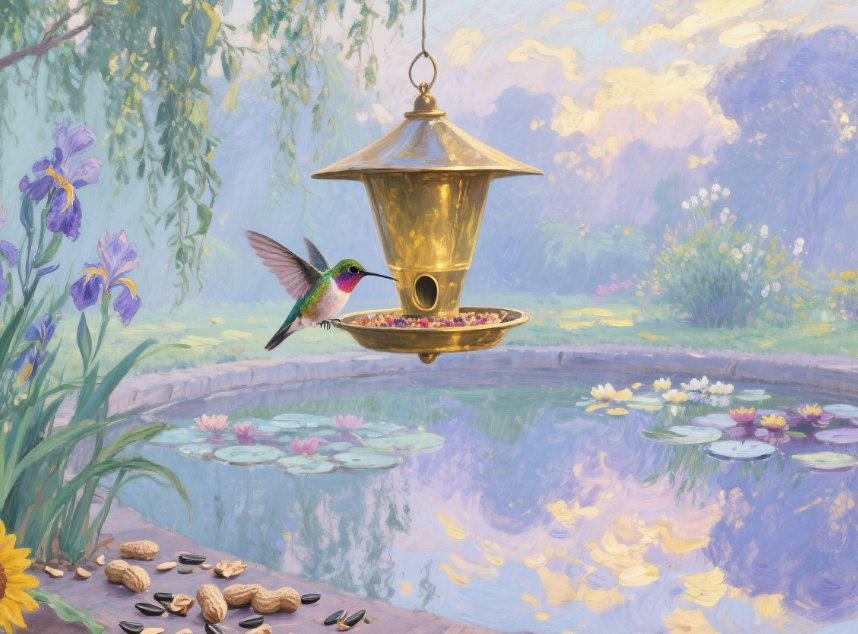
First, the selection and placement of bird feeders are crucial. Different bird species have preferences for specific types of feeders. For example, hummingbirds prefer hanging nectar feeders, while sparrows and similar birds tend to favor platform feeders. It is important to choose the appropriate style based on the target bird species' habits, while ensuring the feeder is made of safe materials with no sharp edges to prevent injury to the birds. The placement location is also critical. Choose an area with an open view and easy access for observation, such as near a window but away from obstacles that might startle the birds. Additionally, keep the feeder away from areas where pets like cats and dogs frequently roam to prevent them from preying on the birds. Avoid placing the feeder in direct sunlight or windy areas to prevent food spoilage or discomfort for the birds.
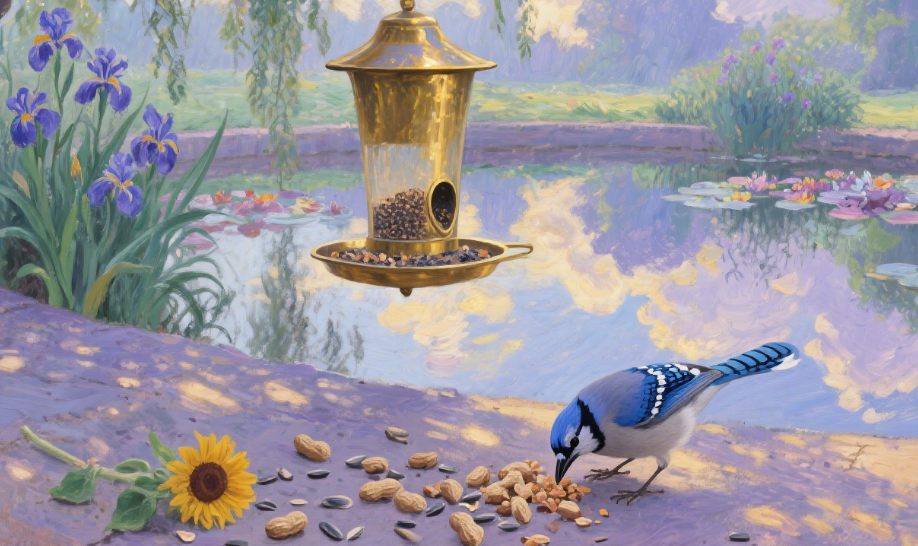
Next is the selection and replacement of food. Different bird species have different dietary preferences, so appropriate food should be provided. For example, North American redpolls prefer sunflower seeds, blue jays favor peanuts, and hummingbirds rely on specially prepared nectar (made by mixing white sugar and water in a 1:4 ratio; honey or food coloring should not be added). Ensure that the food is fresh and clean, and avoid providing moldy or spoiled food, as this may cause birds to become ill. Additionally, food should be replaced regularly, especially in humid weather, as nectar can ferment and spoil easily and should be replaced daily; seed-based foods should also be replaced promptly if they become damp, typically every 2–3 days, and any leftover food debris should be cleaned up to prevent bacterial growth or attract pests.
Furthermore, the cleaning and maintenance of bird feeders are crucial. It is essential to keep bird feeders clean. Each time food is replaced, the feeder should be washed. Use hot water with a small amount of neutral detergent to rinse, then thoroughly rinse with clean water to avoid detergent residue. For components with small crevices, use a small brush to clean thoroughly to prevent food residue buildup. Regularly inspect the feeder for damage, such as cracks or loose parts, and repair or replace them promptly to prevent birds from getting injured while feeding or food from leaking out and being wasted due to damage to the feeder.
Additionally, proper behavior during observation is also important. When observing birds, remain quiet and avoid loud noises or sudden movements to prevent startling them and disrupting their normal feeding and activities. Observe from a distance and avoid getting too close to the feeder to provide birds with sufficient safe space. If using binoculars, be mindful of reflections from the lenses that could startle birds. Do not touch birds arbitrarily. Even if you encounter an injured bird, do not attempt to handle it yourself; instead, contact local wildlife rescue organizations for professional assistance. Additionally, avoid overfeeding to attract birds, as this may lead them to become dependent on human-provided food and lose their natural foraging abilities.
Also, be aware of local laws and regulations. Some regions in the Americas have specific regulations regarding bird feeding, such as protecting certain bird species during specific seasons, which may restrict feeding times or food types. Before engaging in bird feeding and observation activities, familiarize yourself with local wildlife protection regulations to ensure your actions are legal and compliant with relevant regulations.
Finally, be mindful of seasonal adjustments. Birds have different needs in different seasons. During the cold winter, you can increase the amount of high-fat foods, such as suet, to help birds store energy and withstand the cold. In the summer, provide ample clean water, and in addition to bird feeders, place shallow bowls nearby as water dishes for birds to drink and bathe in. Additionally, in summer, be sure to prevent food from spoiling quickly due to high temperatures, and in winter, clear snow and ice from bird feeders to ensure birds can eat smoothly.
By following these guidelines, you can create a safe and comfortable environment for birds in American gardens and better appreciate their beautiful forms and graceful movements.