Important Considerations When Feeding Birds Using Bird Feeders
When we set up bird feeders in our gardens or on our balconies and use grains and seeds to attract birds, every detail is crucial to the health of the birds and the ecological balance. Scientific feeding not only ensures that birds can eat safely but also promotes harmony between humans and nature. Below are the key points to remember when feeding birds using bird feeders.
1. Choosing and Installing Bird Feeders
(1) Type Selection
Selecting the appropriate type of bird feeder based on the habits of the target birds is crucial. Finches prefer platform-style feeders, which allow them to peck at food on a flat surface; woodpeckers and nuthatches are suited for tube-style feeders, whose small holes enable them to easily retrieve food with their beaks; while hummingbirds require specialized nectar feeders, whose unique structure and sugar water formula meet their specific dietary needs.
(2) Installation Location
When installing bird feeders, choose a location at least 3 meters away from windows to prevent birds from colliding with glass and getting injured. Additionally, secure the feeder at a height of 1.5–2 meters above the ground to prevent attacks from predators like cats while allowing birds to feed safely. Furthermore, place the feeder in areas with cover, such as near trees or shrubs, so birds have a place to hide in case of danger.
2. Scientific Food Pairing
(1) Main Food Selection
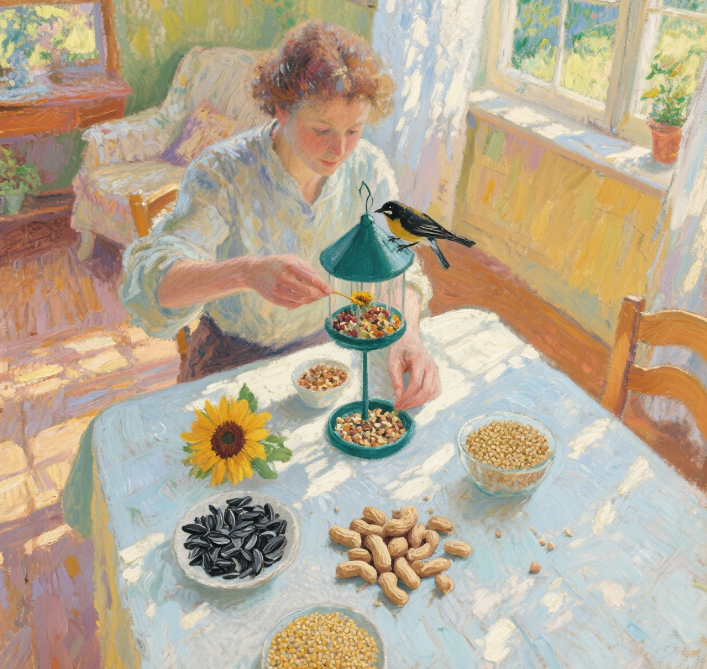
High-quality seeds form the foundation of a bird's diet. Black oil sunflower seeds are nutrient-rich and favored by nearly all songbirds; shelled peanut pieces are suitable for woodpeckers and jays; millet and sorghum are favorites of sparrows and goldfinches. Avoid using corn kernels, as they are nutritionally limited and may cause swallowing difficulties for small birds due to their large size.
(2) Special Requirements
Different seasons and bird species have specific dietary needs. In winter, add high-calorie nut pieces and butter balls to help birds withstand the cold; during the breeding season, birds require additional protein, so provide small amounts of dried mealworms or eggshell powder; for hummingbirds, regularly replace homemade sugar water (mixed at a 1:4 ratio of sugar to water) to prevent spoilage.
(3) Prohibited Foods
Chocolate, caffeine, onions, and other human foods are toxic to birds and must never be fed to them. Processed foods like bread and cookies are low in nutrients and may cause malnutrition in birds, so they should not be used as the main food source.
3. Daily Cleaning and Maintenance
(1) Cleaning Frequency
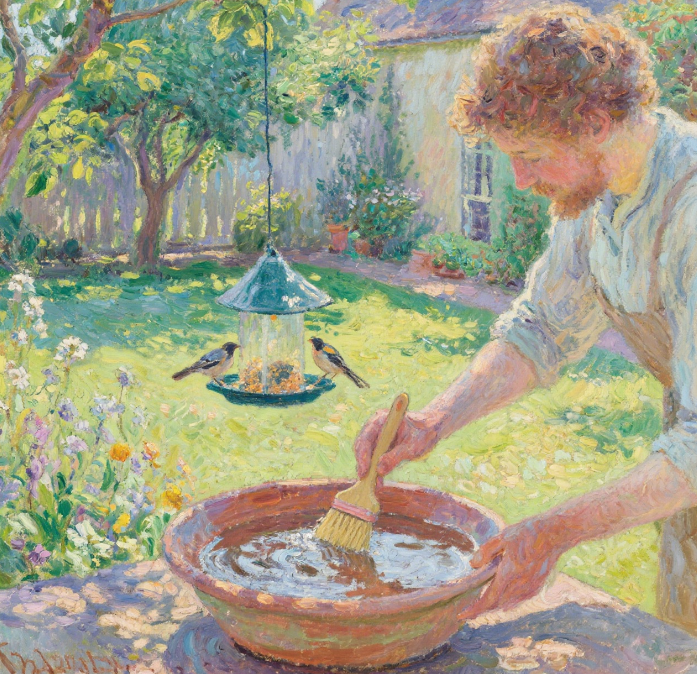
Thoroughly clean the bird feeder at least once a week using a 10% white vinegar solution or mild soapy water to disinfect it and prevent mold and bacteria growth. During humid and rainy seasons, increase cleaning frequency to avoid food spoilage.
(2) Timely Food Replacement
Check the food in the bird feeder daily and promptly remove any damp, moldy, or contaminated food. Food residues can attract pests, promote bacterial growth, and affect bird health.
4. Ecological and Safety Considerations
(1) Preventing Disease Transmission
Concentrated feeding may increase the risk of disease transmission among birds. Set up multiple dispersed feeding stations to reduce bird gather. If sick or abnormally feathered birds are observed, temporarily remove the bird feeder to prevent disease spread.
(2) Protecting Local Species
Avoid introducing non-native bird foods to prevent the invasion of non-native species. Prioritize foods preferred by common local bird species to maintain ecological balance. Additionally, monitor the impact of feeding on the surrounding environment, such as whether it attracts excessive numbers of squirrels or other animals, and adjust feeding strategies accordingly.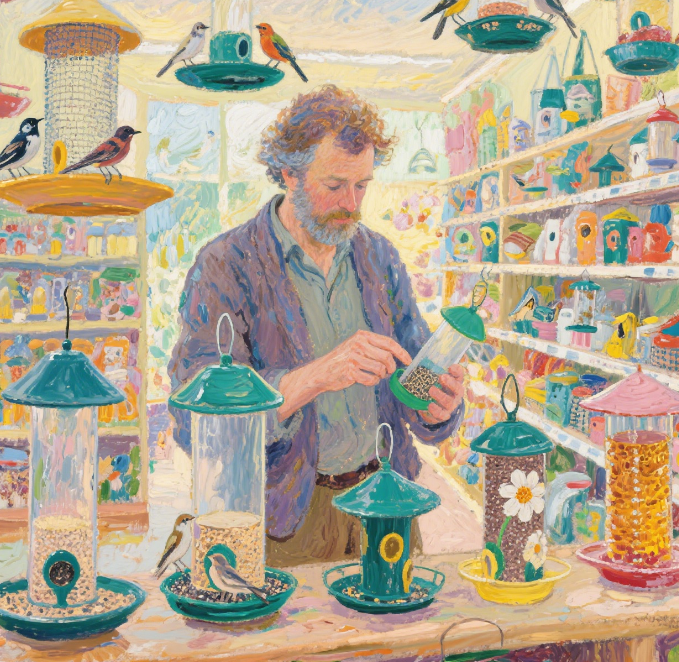
Precautions when feeding birds with a bird feeder
Jun 30, 2025 Bird knowledge presenters