1. Key Points for Preliminary Preparation
Site selection is critical before installing a bird feeder. Choose an area with an open view, ample sunlight, and relative quiet, such as a corner of the courtyard, balcony, or window sill. Avoid locations near noisy roads or areas with frequent human activity to minimize external disturbances and ensure birds feel safe. Additionally, install the bird feeder at a height of 1.5–2 meters above ground level to prevent ground predators from threatening bird safety while also facilitating observation.
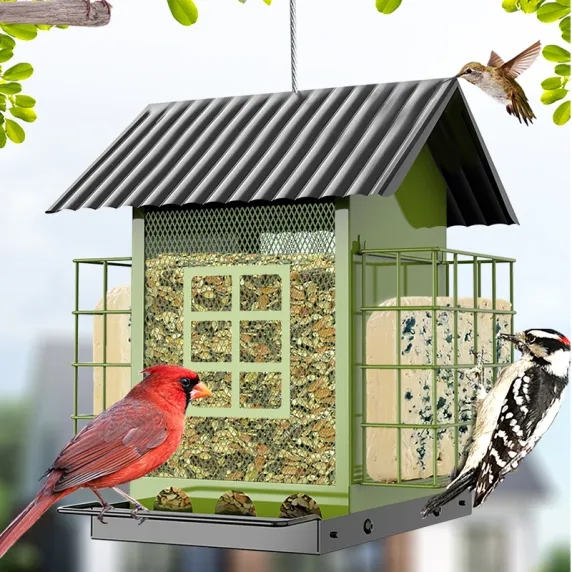
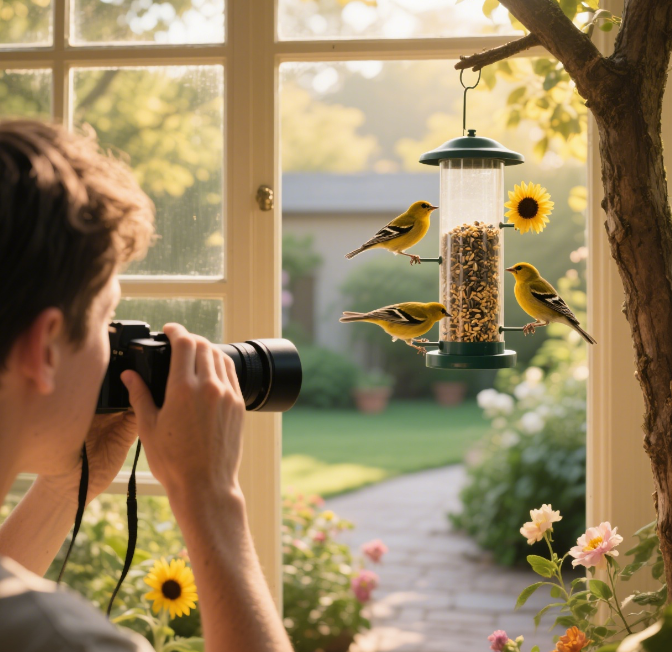
The choice of bird feeder should be based on the feeding habits of the target bird species. For example, tubular feeders are suitable for small songbirds like goldfinches and sparrows, which prefer sunflower seeds and millet; tray-style feeders attract omnivorous birds like magpies and crows, and can hold grains, fruits, and breadcrumbs; hummingbird feeders require sugar water to attract these agile little creatures. Ensure that the feeder is made of safe, non-toxic materials, has a sturdy structure, is easy to disassemble and clean, and prevents bird injuries and disease transmission.
Additionally, having the right observation tools is essential. A pair of 8-10x binoculars allows you to clearly observe the details of bird feeding behavior; a portable notebook and pen are convenient for promptly recording information such as bird species, numbers, and feeding behaviors; if possible, bring a camera or video camera to capture valuable footage for subsequent research and analysis.
2. Important Considerations During Observation
During observation, maintaining quietness and concealment is a fundamental principle. Birds are highly sensitive to sounds and movements; sudden noises or movements can startle them and prevent them from approaching the feeder. Avoid loud noises or rapid movements during observation. Set up concealed observation points nearby, such as using camouflage tents or curtains for cover, to minimize disturbance to the birds.
Regular cleaning and maintenance of the bird feeder are important measures to ensure the health of birds. Clean the bird feeder at least once a week to remove leftover food, bird droppings, and mold, preventing bacterial growth and disease transmission. Use mild detergent during cleaning, rinse thoroughly, and allow it to dry completely before refilling with food. Additionally, regularly inspect the structure of the bird feeder, and repair or replace any damaged parts promptly to ensure its proper functioning.
Control feeding quantities appropriately to avoid overfeeding. Adjust food quantities based on bird feeding patterns and seasonal changes to prevent food accumulation and spoilage, which can attract rodents and other pests. During winter or periods of food scarcity, feeding quantities may be appropriately increased; during summer when insects are abundant, reduce grain quantities to prevent birds from becoming overly reliant on artificial feeding, which may impair their natural foraging abilities.
3. Optimal Observation Timing
The early morning and evening are the optimal times to observe bird feeding behavior. In the early morning, birds, after a night's rest, urgently need to replenish energy and actively seek food; in the evening, they feed heavily again to store energy for the night. During these two time periods, bird activity is frequent, species diversity is rich, and more interesting feeding behaviors can be observed.
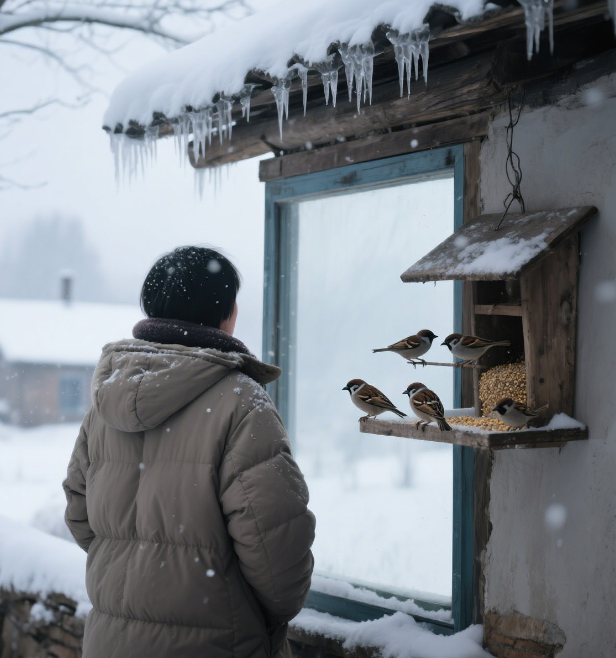
Bird feeding behaviors and species also vary by season. Spring is the breeding season for birds, with many migratory birds returning from their journeys. Male birds display vibrant plumage and unique feeding postures to attract mates. In autumn, migratory birds heading south stop to feed along the way, replenishing energy for their long-distance flights, offering spectacular views of large flocks feeding. In winter, food is scarce, and resident birds become more dependent on bird feeders, offering opportunities to observe them struggling to forage in the harsh cold. Additionally, on rainy days or after snowfall, when natural food sources are covered, birds are more likely to visit feeders for food, making these times ideal for observation.
4. Recording and Follow-Up Research
Detailed recording is crucial during the observation process. In addition to recording bird species, numbers, and feeding times, note their behavioral patterns, such as whether there are aggressive behaviors, feeding preferences, or interactions with other birds. This information helps understand bird ecological habits and provides data support for bird conservation research.
After the observation, organize and analyze the recorded information, compare it with bird field guides and relevant research materials, and further confirm bird species and behavioral characteristics. If rare bird species or unusual behaviors are observed, reports can be submitted to local bird conservation organizations or research institutions to contribute to bird research and conservation efforts. Additionally, sharing observation experiences, photos, and videos can inspire more people to take an interest in bird watching and collectively focus on and protect bird habitats.
The above provides an overview of key points in bird observation. If you are interested in observing specific bird species or wish to learn more details, feel free to share your thoughts with me at any time.
We recommend our FlowaFoli bird feeder!