The following are some common bird feeders found in American gardens:
Classified by feeding type
Seed feeders
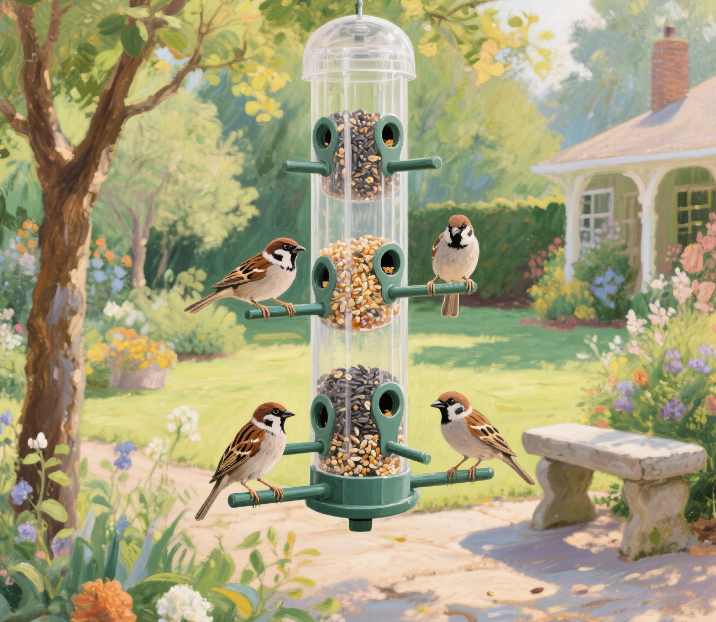
Tube feeders: Typically made of transparent plastic or glass, these feeders have a long tubular shape with multiple small holes, each surrounded by a horizontal bar for birds to perch on. This type of feeder is suitable for feeding various small birds, such as sparrows, chickadees, and goldfinches, which can easily peck seeds from the holes.
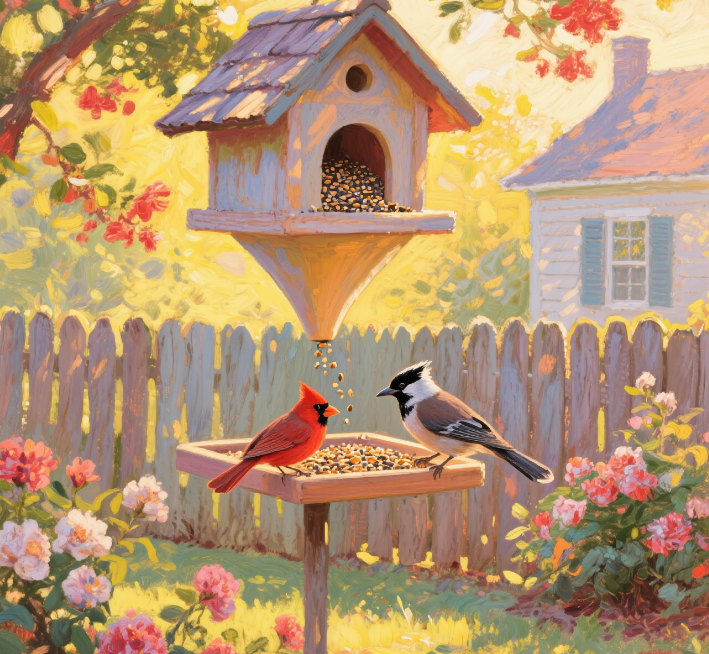
Funnel-shaped feeders: Also known as house-shaped feeders, these have a house-like design with a sloped roof to prevent rainwater from entering. Inside, there is a funnel-shaped container for storing seeds, which fall through the opening at the bottom of the funnel onto a tray below for birds to eat. They can hold a large amount of seeds, reducing the need for frequent refills, and attract a variety of birds, such as the Northern Cardinal and the Jay.
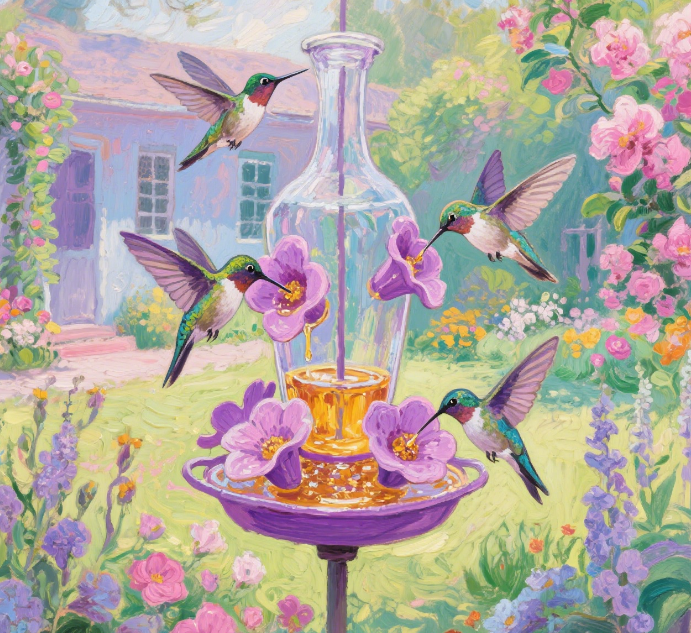
Nectar feeder: Typically used to attract hummingbirds and other nectar-feeding birds, common types include bottle-shaped and dish-shaped designs. Bottle-shaped nectar feeders are typically bottles with narrow necks, featuring small holes or flower-like feeding ports where hummingbirds can insert their long beaks to sip nectar. Dish-shaped nectar feeders are shallow dish-shaped containers with indentations or small holes along the edges serving as feeding ports.
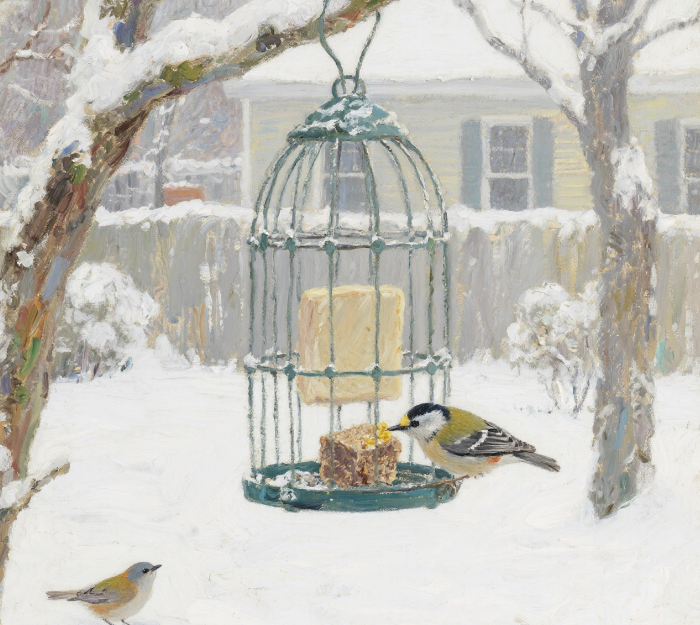
Fat feeders: Also known as suet feeders, these are primarily used to provide high-calorie food for birds during the winter. They are typically made of a metal wire cage or mesh container filled with suet blocks (suet cakes) made from a mixture of animal fat, seeds, nuts, and other ingredients. Suitable for woodpeckers, titmice, and other birds, which can use their claws to grip the cage and peck at the fat blocks with their beaks.
Classification by installation method
Hanging bird feeders: This is the most common installation method. Most tubular feeders, some funnel-shaped feeders, and fat feeders can be hung from branches, eaves, clotheslines, etc., using hooks or ropes. This installation method allows birds to feed in more open spaces and also makes it easier for people to observe them.
Table-top bird feeders: These are typically flat trays or shallow bowl-shaped containers that can be placed directly on flat surfaces such as tables, windowsills, or railings in courtyards. They are suitable for birds that prefer not to fly to high places to feed, such as pigeons and sparrows, which feed on the ground.
Pole-mounted bird feeder: A pole is fixed to the ground, and the feeder is installed at the top or side of the pole. This type of feeder is more stable and suitable for placement in open areas of the garden to attract various birds to feed. Funnel-shaped feeders and some large seed feeders often use this installation method.
Classification by functional features
Smart bird feeders: These integrate cameras, sensors, and AI recognition technology to automatically capture photos or videos of birds and push the information to users via a mobile app. Users can view details such as the species, quantity, and behavior of visiting birds on their phones, and even name frequent visitors and track their behavioral patterns. For example, the Birdbuddy smart bird feeder can accurately identify over 1,000 bird species.
Squirrel-Proof Bird Feeder: Designed with mechanisms to prevent squirrels from stealing birdseed, such as weight-sensing devices that automatically close the feeding port when a squirrel jumps onto the feeder, or smooth surfaces and special hanging methods that make it difficult for squirrels to climb or approach the feeder.