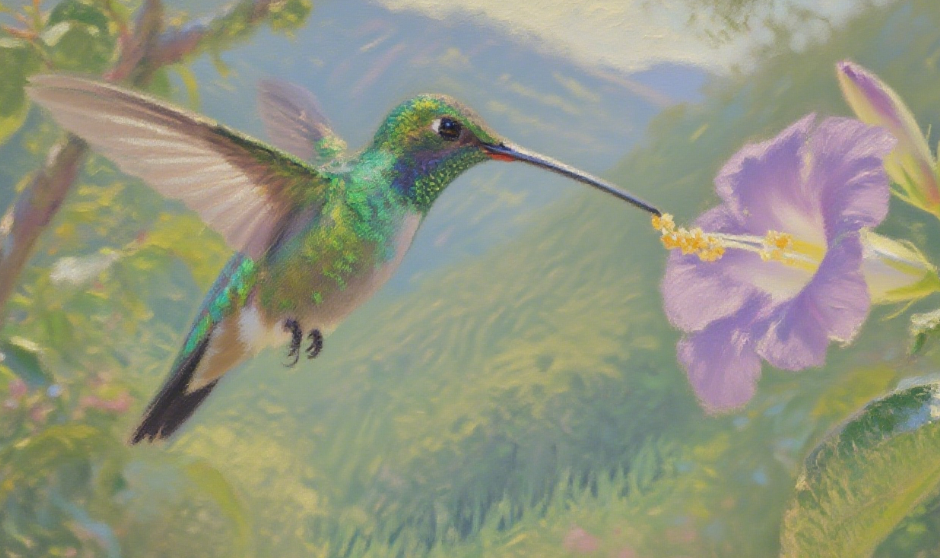
Common bird species found in the American jungle include antbirds, sword-billed hummingbirds, macaws, and horned eagles. The following is an introduction to these birds and their diets:
Antbirds
Diet: Their primary food source is arthropods, mostly insects such as grasshoppers, crickets, cockroaches, mantises, stick insects, and the larvae of butterflies and moths. They also consume spiders, scorpions, and centipedes. Some larger species can even eat frogs and lizards. Additionally, they also consume fruits, eggs, and slugs.
Overview: The antbird family comprises 47 genera, 209 species, and 516 subspecies, including antwrens, antpittas, and antbirds. They range in length from 10 to 36 centimeters, are small in size, have short wings, and most species forage on the ground, often following ant colonies to feed on insects and small arthropods driven out by the ants.
Sword-billed Hummingbird
Diet: Primarily feeds on nectar, with approximately 90% of its diet consisting of nectar, such as passionflower nectar, which is its primary food source. The remaining 10% consists of small insects like wasps, spiders, and fruit flies to supplement protein and other nutrients.
Overview: One of the larger hummingbird species, with an average adult body length of approximately 14 centimeters and an average beak length of 8 centimeters, longer than its body. Its natural habitat is in the dense forests of the Andes Mountains in South America at elevations above 2,000 meters.
Macaw
Diet: Their primary diet includes nuts, seeds, fruits, and flowers. Their powerful beaks can easily crack open the hard shells of nuts like Brazil nuts to access the kernels inside; they also consume various plant seeds and peck at ripe fruits on trees, such as figs and mangoes, and sip nectar from flowers.
Overview: The macaw is one of the most vibrantly colored large parrots. The scarlet macaw is found in Central and South America, while the blue-and-gold macaw is native to South America. They are large in size, with beautiful feathers and powerful beaks, and are highly intelligent and social birds, often moving in family groups or small flocks.
Horned Eagle
Diet: As the top predator in the rainforest ecosystem, it primarily feeds on arboreal mammals such as sloths, coatis, and monkeys, and also preys on large birds like macaws, as well as reptiles like green iguanas.
Overview: Also known as the Harpy Eagle, it is the largest and strongest raptor in the Americas. Female harpy eagles can capture prey weighing up to 9 kilograms. They possess powerful talons and sharp beaks, enabling them to swiftly capture and kill prey, typically hunting in the forest canopy.
Toucan
Diet: Primarily fruits, but also insects, bird eggs, and small vertebrates. They use their large beaks to pluck various fruits from trees, such as grapes, oranges, and berries, and occasionally prey on insects or raid other birds' nests for eggs and chicks.
Overview: Also known as the Togo Toucan, its most distinctive feature is its large, vibrantly colored beak, with a body length of up to 60–70 centimeters, and a beak length of approximately 20 centimeters. They primarily inhabit the tropical rainforests of South America, have an active temperament, and frequently leap and fly between tree branches.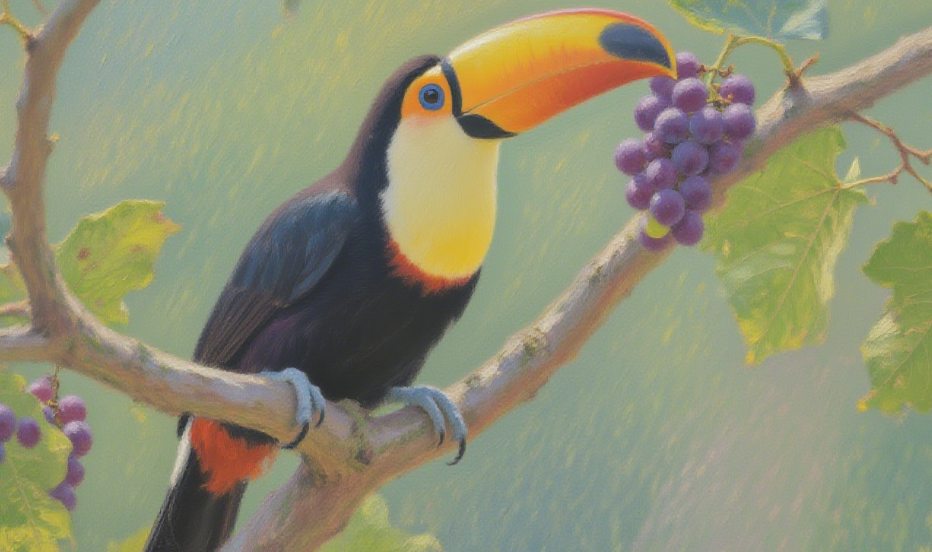
Introduction to several common bird species and their food sources in the jungles of the Americas
Jul 29, 2025 Bird knowledge presenters