(1) Introduction to common birds in American yards
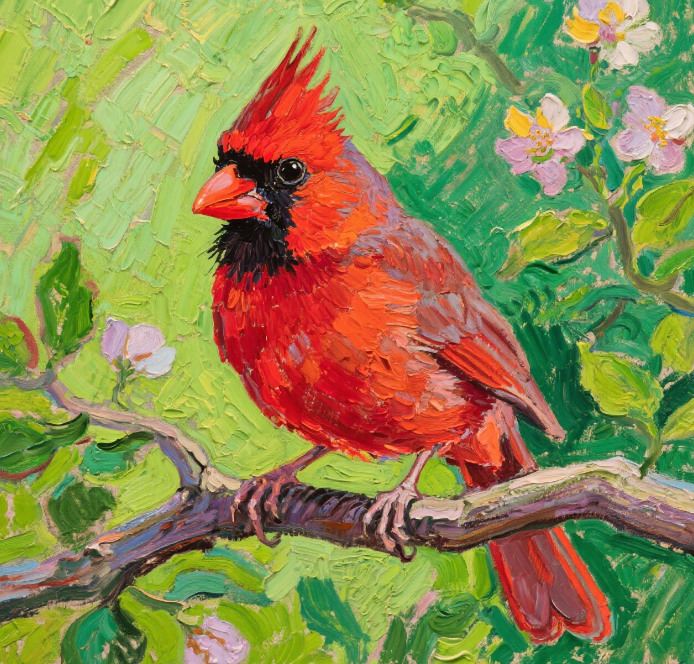
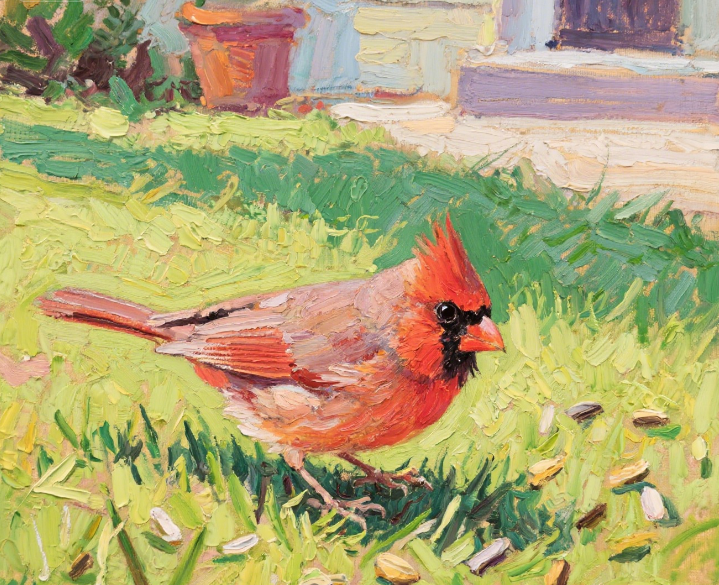
North American Cardinal
Appearance: The male North American Cardinal has bright red plumage, a distinctive crown of feathers on the head, and a red coral-colored conical beak; females have duller, more brown-colored plumage, but the crown of feathers on the head and the beak are similar to those of males.
Habitat: Mainly in woodlands, gardens, parks and suburbs, they are resident birds, but may be forced to migrate in extremely cold weather. They feed on weeds, crop grass seeds, plant fruits, and also prey on insects such as beetles, grasshoppers and snails, and drink sap from maple trees.
American House Vermilion Flycatcher
Characteristics: Small in stature, with a body length of about 13-14 centimeters. Males have some less bright red feathers on the crown of the head and chest, while females are similar in color to sparrows, with an overall tan color and streaked feathers.
Habitat: It is a resident bird and lives in flocks, and is widely distributed throughout the United States, preferring to roost in city parks, backyards, farms, and other areas of human activity. It mainly feeds on plant foods such as grasses, seeds, and fruits, and also eats animal foods such as insects.
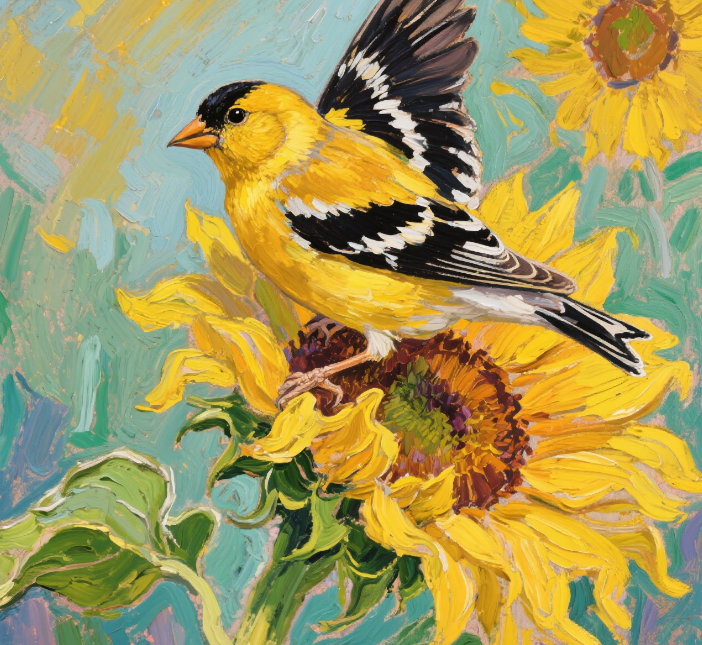
American Goldfinch
Appearance and Characteristics: Small in size, in the spring and summer, male American Goldfinches have bright golden plumage and black wings with white markings, while females and winter males are duller in color, pale yellow or pale brown.
Habitat: It is a migratory bird that prefers warm climates. Its distribution spans the east and west coasts of North America, and it is commonly found in vast farmlands, grasslands, floodplains, and orchards, especially those planted with thistles and sunflowers, and it mainly feeds on plant seeds.
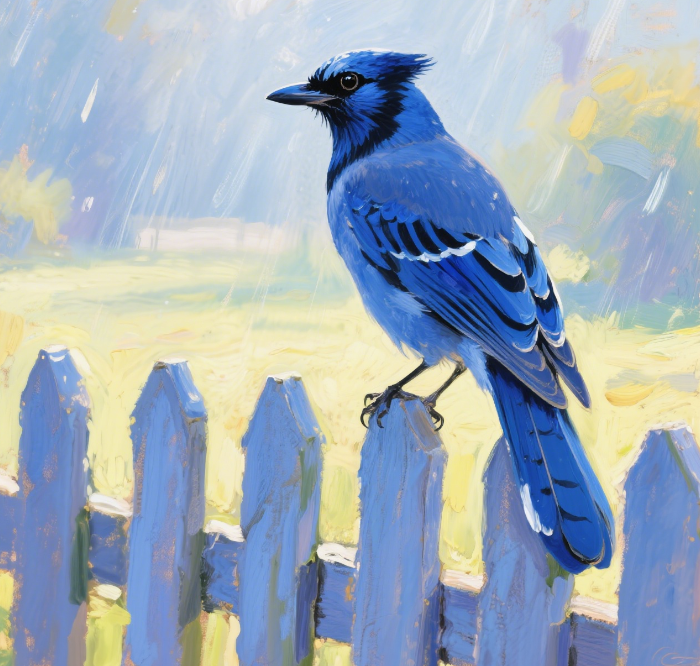
Blue jay
Appearance and Characteristics: The main body of the plumage is blue, with black stripes on the head and back, white and black spots on the wings and tail, a black bill, and gray claws.
Habitat: Mainly distributed in the eastern and central regions of North America, commonly found in forests, parks, yards and other environments. They are omnivorous birds with a diet of nuts, seeds, insects, small vertebrates, etc. They also store food for the winter.
American Mockingbird
Appearance and Characteristics: Medium-sized with black head and back feathers, bright red or orange breast, white belly, black tail, yellow bill, and black eyes.
Habitat: Widely distributed in North America, from Canada to Mexico have their traces, is a migratory bird, winter will migrate to the southern warm areas. Prefer to perch in open meadows, farmland, parks, yards and other environments, mainly feeding on earthworms, insects, snails and other small invertebrates, but also eat some fruits and berries.
Red-bellied Woodpecker
Appearance: Medium-sized, with red feathers on the head, black back feathers with white spots, red belly feathers, and a strong, powerful, black bill.
Habits: Mainly distributed in the eastern and central regions of North America, preferring to inhabit in forests, orchards, parks and other environments, feeding on insects, nuts, seeds, etc., and will peck holes in tree trunks with its beak to find food and build nests.
(2) Ways to guard against aggressive birds
Avoid threatening birds
Do not actively approach nests: During the breeding season, birds can become aggressive to protect their young. Do not actively approach, touch or damage nests, and do not try to capture young birds as this may provoke the parent birds.
Keep a safe distance: When observing birds in your yard, try to keep a proper distance and do not make sudden movements or loud noises that may make the birds feel threatened and attack.
Adjust the yard environment
Reasonable arrangement of plants: Choose plants that birds do not like to roost or nest, such as thorny shrubs, and plant them at the edge of the courtyard or near windows, doorways and other areas prone to bird attacks, to minimize the stay of birds in these areas.
Install guards: Installing guards or screens on windows, balconies, and other areas prone to bird attacks will prevent birds from hitting the glass directly, as well as preventing them from entering specific areas within the patio.
Reducing bird attraction
Manage food sources: If you don't want to attract too many birds, avoid littering your yard with food scraps and clean out your trash cans in a timely manner to prevent food odors from attracting birds. Also, control the use of bird feeders wisely and avoid placing too much food close to living areas.
Clean up water sources: Promptly clean up stagnant water in the yard, such as in flower pot trays, buckets and other containers, to minimize the chances of birds congregating as they look for water sources.
Correctly responding to bird attacks
Do not fight back: If you are unfortunate enough to be attacked by a bird, do not try to fight back with your hands or other objects, as this may further enrage the bird and lead to an intensified attack. Remain calm and leave the area as soon as possible.
Seek professional help
If bird attacks are frequent and seriously disruptive, contact your local wildlife protection agency or a professional bird control service for help and advice, and do not take unlawful or inappropriate measures on your own.