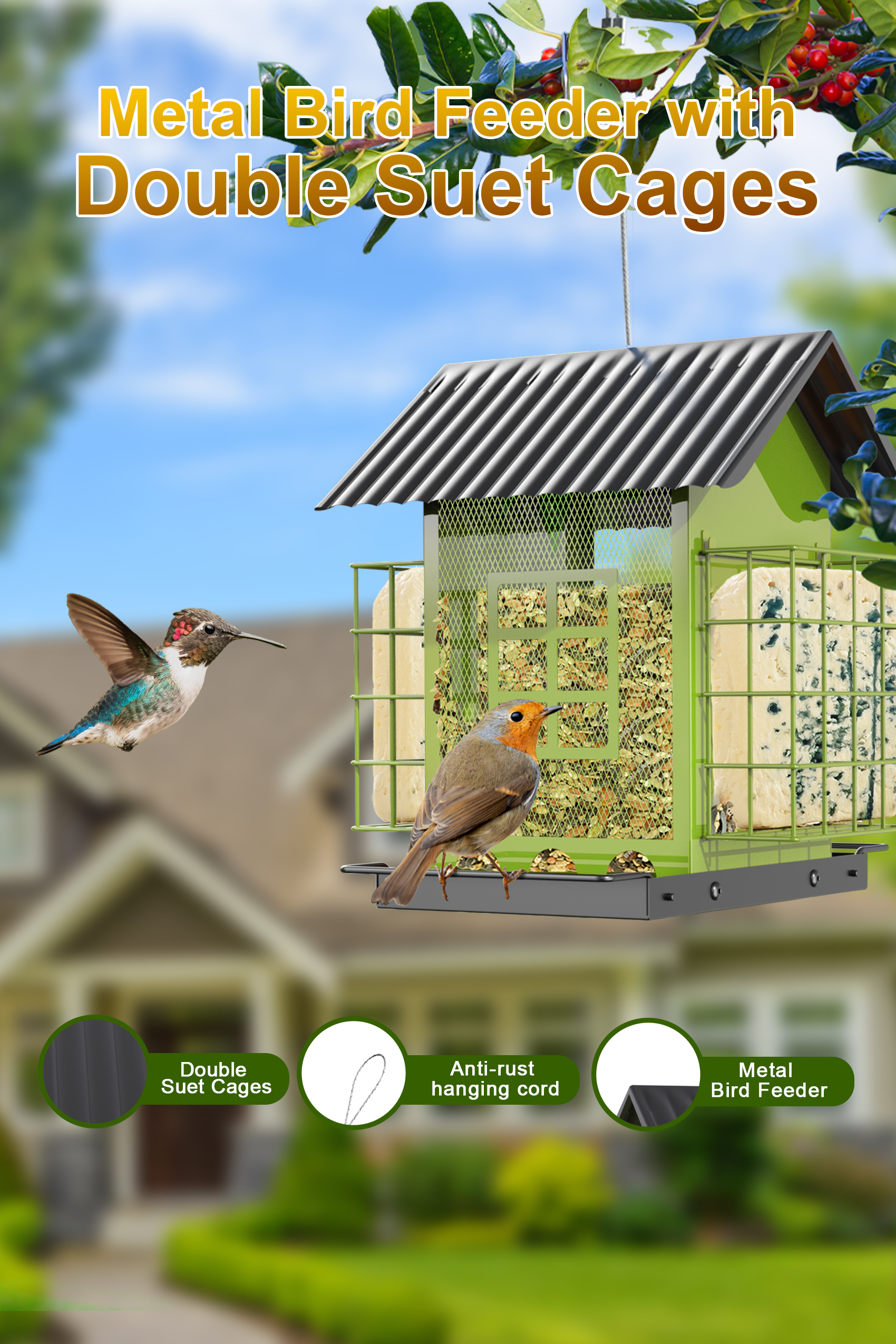
The following are some of the birds commonly seen in estates in June:
(1) Northern Cardinal: 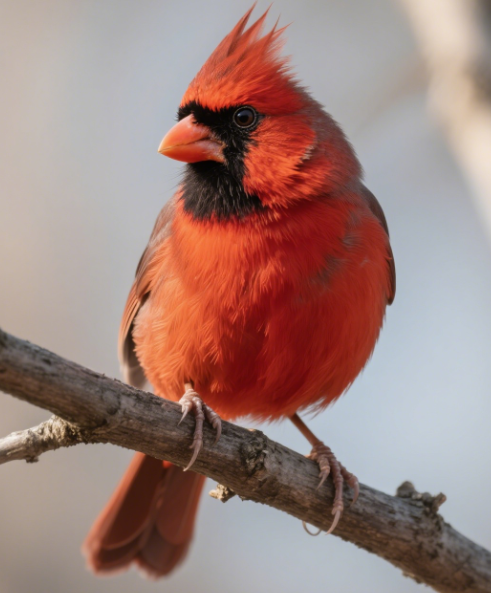
Physical characteristics: Medium-sized, approximately 24 centimeters in length. Male and female birds differ in appearance. Male birds are bright red with black faces and distinctive crests, making them highly conspicuous. Female birds have duller plumage, typically pale red or brown, but may take on a faint yellow hue in winter.
Habits: They inhabit various environments such as woodlands, gardens, forests, and marshes, and are resident birds. They primarily feed on grains, insects, and fruits. Male birds exhibit strong territorial behavior, using their songs to mark their territories.
(2) White-breasted Nuthatch: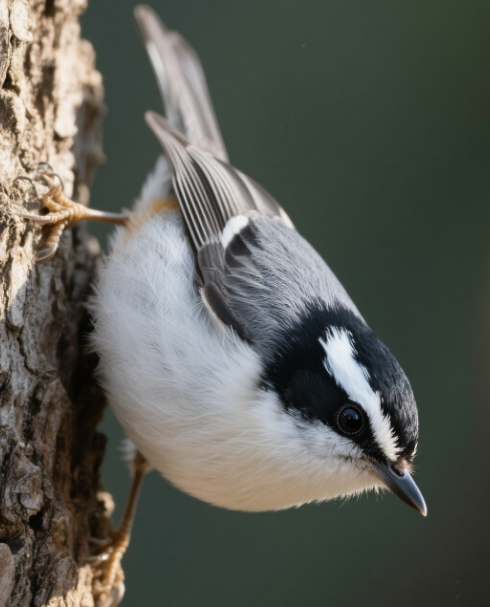
Physical Characteristics: A small songbird, with adult birds measuring approximately 15.5 centimeters in length. The head and neck are black, the cheeks and chest are white, the back and tail are gray, and it has short wings and a short tail.
Habits: Found in North America and Mexico, it is commonly seen in deciduous broadleaf forests and also appears on trees in estates. They are resident birds, often foraging for insects and seeds on tree trunks and branches. Their most distinctive feature is their ability to move upside down on trees, making them the only birds in the world capable of climbing trees headfirst.
(3) Dark-eyed Junco: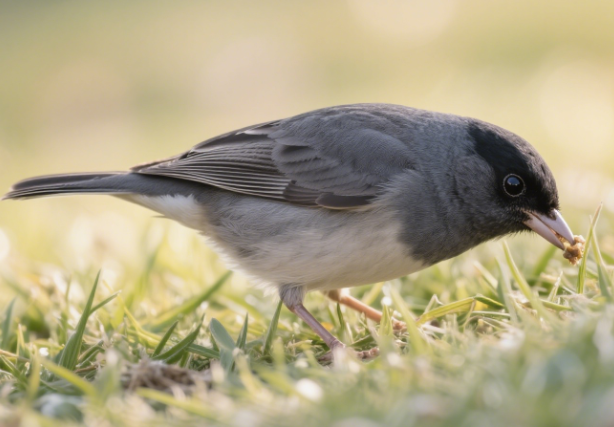
Physical characteristics: A small bird with mostly dark gray or brown feathers, a lighter-colored abdomen, and black eyes.
Behavioral characteristics: During the breeding season, they primarily inhabit coniferous forests and mixed forests. In winter, they can be found in fields, parks, woodlands, and gardens, and are often referred to as “snowbirds” or “winter birds.” However, they may also be seen in American estates as early as June. They primarily feed on seeds but also consume some insects.
(4) Mountain Bluebird: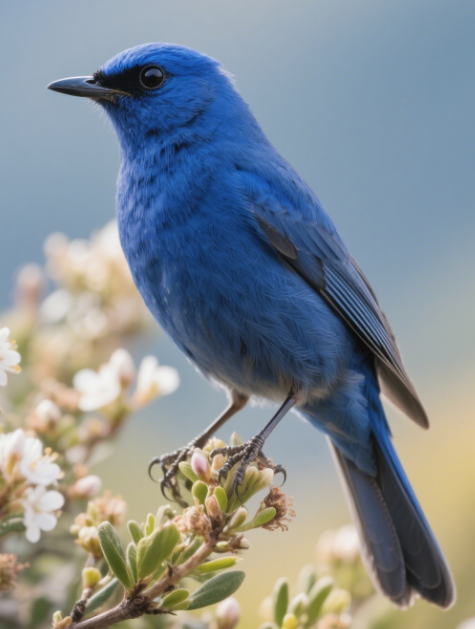
Physical characteristics: Male birds have vibrant blue feathers, while females are pale blue or gray.
Habits: During the breeding season, they are often found in high-altitude areas, up to approximately 12,500 feet, and migrate to lower elevations in winter. They prefer open habitats such as grasslands and pastures and also forage in open areas near estates, feeding on insects and fruits.
(5) Crowned Blue Jay: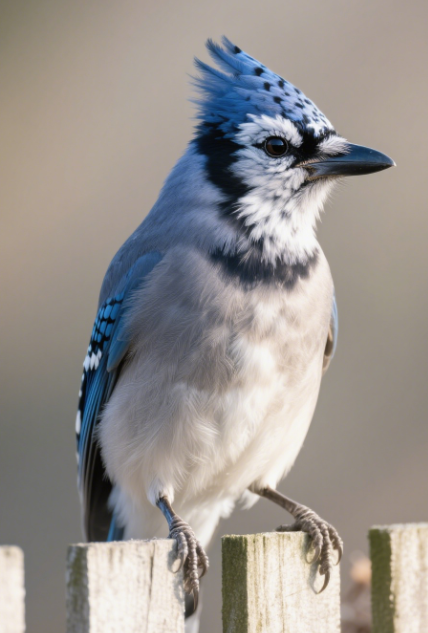
Physical Characteristics: Large in size, with a prominent crest on the head. Feathers are primarily blue, with white or gray patterns, and the neck and chest are gray or white.
Lifestyle: Commonly found in forests, parks, and gardens in the eastern and central United States. They are omnivorous birds, feeding on nuts, seeds, insects, fruits, and other foods, and also store food for winter consumption. They have a bold temperament and sometimes venture near human settlements in search of food.
By using our bird feeder, you can enjoy watching these birds feed!