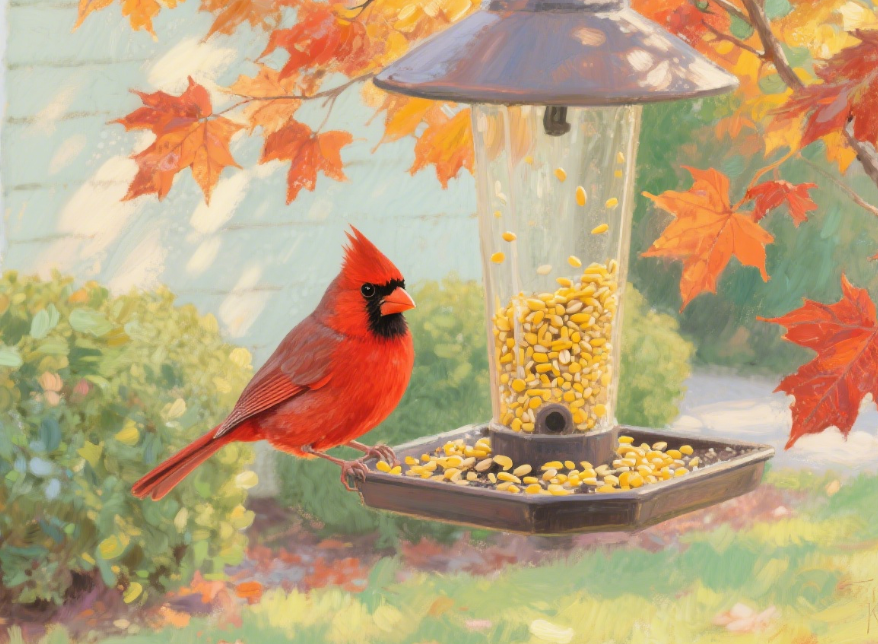
The following are some bird species that frequently visit American gardens and are relatively friendly toward humans:
American Robin
Physical characteristics: Medium-sized, with a body length of approximately 23–28 centimeters. Adult robins have gray backs and distinctive rust-red breasts, black heads, and white eye rings and throats. Juvenile robins have spotted chests.
Habits: They primarily inhabit various environments such as woodlands, gardens, parks, and suburban areas. They prefer open grasslands and areas with trees, often moving alone or in groups. They hop around on the ground to forage, primarily feeding on earthworms and insects, though they also eat fruits and berries.
Relationship with humans: They frequently appear in human gardens and are relatively adaptable to human presence, showing little fear of humans. They are a common and beloved bird in North America, and their arrival is often seen as a symbol of spring.
Blue Robin
Physical characteristics: Small in size, with a body length of approximately 14–16 centimeters. Male birds have vibrant plumage, with blue heads and backs, and orange or red abdomens; female birds have relatively dull colors, typically blue-gray and pale orange.
Lifestyle: They prefer open rural areas, orchards, and forest edges, typically nesting in low shrubs or tree hollows, feeding on insects, fruits, and seeds.
Relationship with humans: They have a relatively docile temperament and are friendly toward humans. People often spot them on tree branches or lawns in courtyards. Due to their beautiful appearance and gentle nature, they are popular among bird enthusiasts.
Northern Redpoll
Physical Characteristics: Medium-sized, with a body length of approximately 21–23 centimeters. Male birds have vibrant red feathers, a prominent crest on the head, and a black mask on the face; female birds are primarily gray-brown, with red tones on the head and wings.
Lifestyle: They primarily inhabit forested areas, gardens, and parks, preferring environments with dense vegetation. They typically forage on tree branches or in shrubbery, feeding on seeds, fruits, and insects.
Relationship with humans: They frequently visit human gardens, resting or foraging on trees in gardens. They are not overly sensitive to human activities. Their vibrant colors and melodious songs add vitality and charm to gardens, making them one of the most common ornamental bird species in North America.
House Swallow
Physical characteristics: A small bird, measuring 15–19 centimeters in length with a wingspan of 31.8–34.3 centimeters. The forehead is deep chestnut brown, the upper body feathers are blue-black with a metallic sheen, the throat and front chest are chestnut red, the abdomen is white, and the tail is deeply forked, forming a “swallowtail.”
Behavioral Characteristics: House Swallows prefer to inhabit human-inhabited environments, often roosting in groups on rooftops, power lines, barns, or other man-made structures. They build nests under bridges, on the eaves of old houses, and other similar locations. They feed on harmful insects, making them important insectivorous birds.
Relationship with humans: House swallows are closely associated with human life and are very friendly toward humans. They dart around courtyards catching insects, and people are delighted to see them arrive, believing they bring good luck and prosperity.
Spotted-breasted Grass Finch
Physical Characteristics: Body length 10–12 cm, with brown patterns on the body, black spots on the chest, gray head, red patches on the cheeks, and a bright red beak.
Lifestyle: Often found in dry grasslands, shrublands, and near farmlands, they prefer to move in groups and primarily feed on grass seeds and grains.
Relationship with humans: The Spotted-breasted Grass Finch has a docile temperament and is not aggressive toward humans. It is easily attracted to human courtyard environments, especially those with flowers, plants, and food sources, bringing a lively atmosphere to the courtyard.
Red-bellied Woodpecker
Physical characteristics: Medium-sized, with a body length of approximately 22–25 centimeters. The head features red and white markings, the back is black with white spots, and the abdomen is red. Male and female birds differ slightly in the distribution of red markings on the head.
Lifestyle: Primarily inhabits forests, orchards, parks, and other environments, particularly trees near water sources. They peck holes in tree trunks to search for insects and also consume fruits, seeds, and tree sap.
Relationship with humans: They occasionally visit human gardens, moving among the trees within them, and are not particularly bothered by human presence. Their distinctive woodpecker behavior and vibrant plumage attract much attention, making them a relatively common garden bird.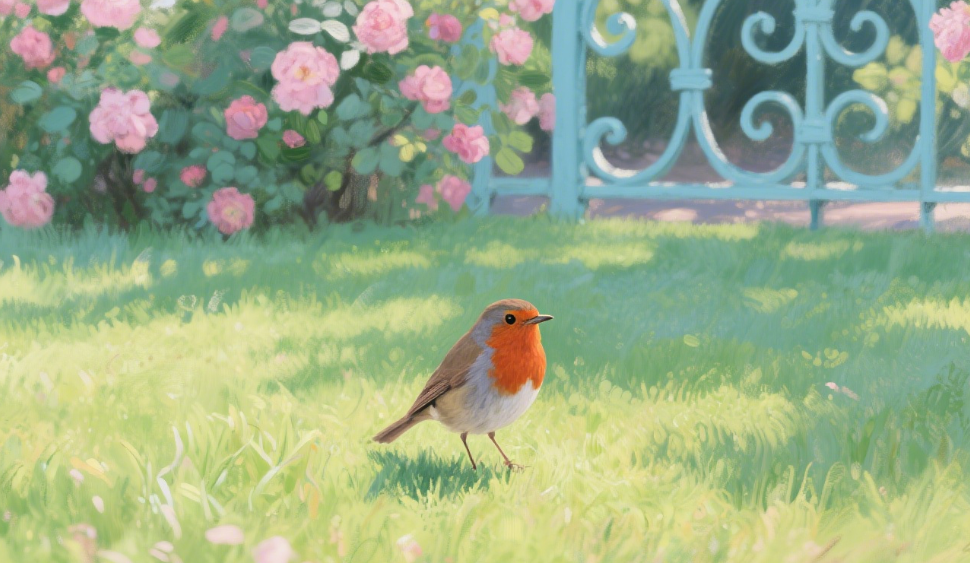
Introduction to birds that frequently visit American gardens and are relatively friendly to humans
Jul 17, 2025 Bird knowledge presenters