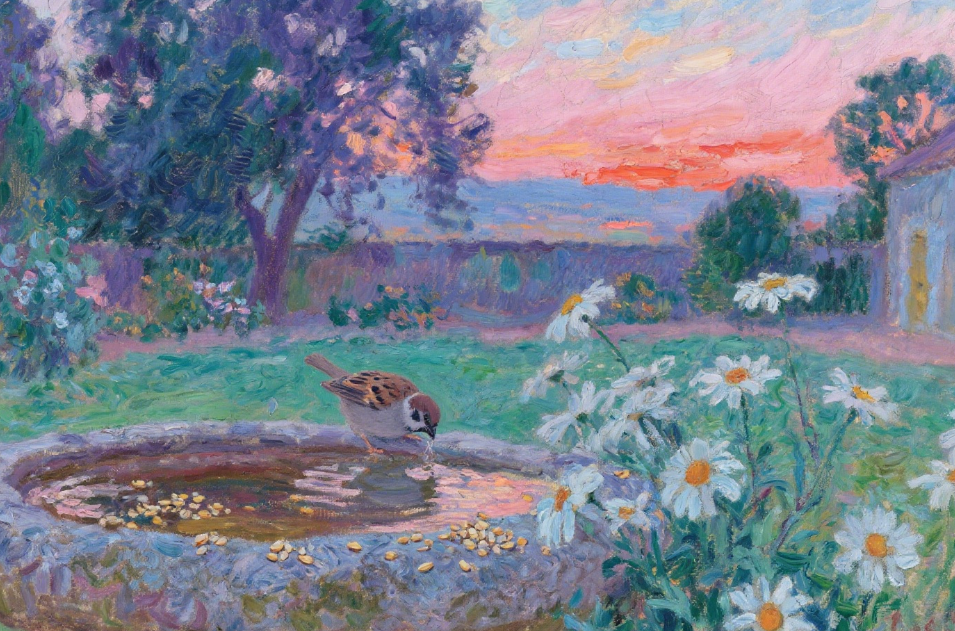
In American gardens, observing less aggressive birds through the proper placement of bird feeders and other methods allows you to enjoy nature while avoiding unnecessary conflicts. The following are specific step-by-step instructions and precautions:
Step-by-Step Instructions
Identify target bird species: First, determine which bird species in the Americas are less aggressive. Common examples include the Northern Cardinal, Chickadee, Goldfinch, and Sparrow. You can consult bird guides, local bird association materials, or seek advice from professionals to learn about the behavioral habits of these birds, including their diet (whether they prefer grains, seeds, nectar, or insects), activity patterns (whether they are diurnal or nocturnal, and their primary activity periods), and preferred habitats (whether they prefer dense forests, open grasslands, or areas near water sources).
Selecting the appropriate bird feeder: Choose a bird feeder based on the dietary preferences of the target bird species. For example, for birds that prefer seeds, a tube-style bird feeder is recommended, as it effectively prevents seeds from becoming damp and allows birds to perch and feed conveniently; For birds that prefer nectar, such as hummingbirds, a specialized hummingbird feeder is recommended. These feeders typically have small openings designed for hummingbirds' long beaks to sip from; for birds that prefer grains or crumbs of bread, a platform feeder is a good choice, as it provides a larger feeding area. Additionally, ensure the feeder is made of safe, durable materials that are resistant to damage from birds or weather conditions.
Determine the placement of the bird feeder: Place the bird feeder in a relatively quiet and safe location, away from areas with frequent human activity, such as doorways or balconies, to avoid startling the birds. Additionally, position it near trees or shrubs so that birds can quickly seek shelter in vegetation if they encounter danger while feeding. Additionally, the height of the feeder should be appropriate, generally around 1.5–2 meters above the ground, to make it convenient for birds to feed while minimizing threats from ground predators (such as cats or dogs). Avoid placing the feeder near windows to prevent birds from injuring themselves by colliding with them.
Prepare appropriate food: Based on the dietary preferences of the target bird species, prepare corresponding food. Seed-based foods can include sunflower seeds, millet, and Nyjer seeds; nectar can be prepared by mixing 4 parts water with 1 part white sugar, ensuring no artificial colors or preservatives are added; for insect-eating birds, consider planting insect-attracting plants in the garden, such as daisies or asters, to provide them with natural food sources. Ensure the food remains fresh by replacing it regularly to prevent spoilage or mold, which can harm bird health.
Set up auxiliary facilities: In addition to bird feeders, you can install auxiliary facilities in the garden to enhance birds' comfort. For example, place a shallow water area as a water basin for birds to drink and bathe. The water basin should be changed regularly to maintain cleanliness. Plant a variety of plants in the yard, including trees, shrubs, and herbaceous flowers, to provide birds with places to forage, nest, and seek shelter. You can also hang bird nest boxes to provide suitable breeding sites for birds that need to nest.
Observe patiently: Once everything is ready, you need to wait patiently for the birds to arrive. Choose a concealed observation point, such as a chair near a window or a pavilion in a corner of the garden, and avoid appearing directly near the bird feeder to prevent disturbing the birds. Stay quiet during observation and avoid loud noises or sudden movements to prevent startling the birds. Prepare a telescope and a notebook to record information such as the types, numbers, and behaviors of the birds.
Important notes
Maintain cleanliness: Clean the bird feeder and water bowl regularly, at least once a week. Use hot water and soap to thoroughly clean them, removing any leftover food and dirt, then rinse them with clean water, dry them, and reuse them. This prevents the growth of bacteria, viruses, and parasites, ensuring the health of the birds.
Control food quantities: Do not add excessive amounts of food at once; the quantity should be sufficient for birds to consume within 1-2 days. Excessive leftover food may become damp and spoil, and may also attract rodents, squirrels, and other animals, disrupting the birds' feeding environment.
Avoid using harmful items: Do not add salt, sugar, bread, milk, or other foods harmful to birds to their food. Salt can cause dehydration in birds, excessive sugar may lead to health issues, and bread and milk are difficult for birds to digest, potentially causing gastrointestinal discomfort. Additionally, avoid using cleaning agents containing chemicals to clean bird feeders and water bowls, as residual chemicals may harm the birds.
Prevent interference from predators: Take measures to prevent threats to birds from predators such as cats, dogs, snakes, and eagles. Install fences around the yard to prevent cats and dogs from entering; place bird feeders and water bowls in locations inaccessible to predators; avoid piling up debris in the yard to reduce hiding spots for snakes. If predators are spotted, promptly take measures to驱赶 them, but be careful not to harm the predators.
Respect birds' natural habits: Do not attempt to capture or touch birds; maintain a distance from them to allow them to move freely in their natural state. Do not overly interfere with birds' nesting and breeding processes; avoid touching nests or eggs to prevent parent birds from abandoning their nests. During birds' migration seasons, do not arbitrarily alter the yard environment or food supply to avoid disrupting their migration plans.
Comply with local regulations: Understand and comply with local laws and regulations regarding bird protection. Some birds may be protected species, so be particularly cautious when observing or feeding them, and refrain from any activities that may harm them. Do not install bird feeders in areas where feeding birds is prohibited to avoid violating relevant regulations.
Ensure personal safety: When engaging in activities in the yard, ensure personal safety and avoid contamination from bird droppings. When observing birds, do not climb trees or venture into dangerous areas to prevent accidents. If pesticides or herbicides are used in the yard, select products harmless to birds and use them correctly according to instructions to avoid residual chemicals harming birds.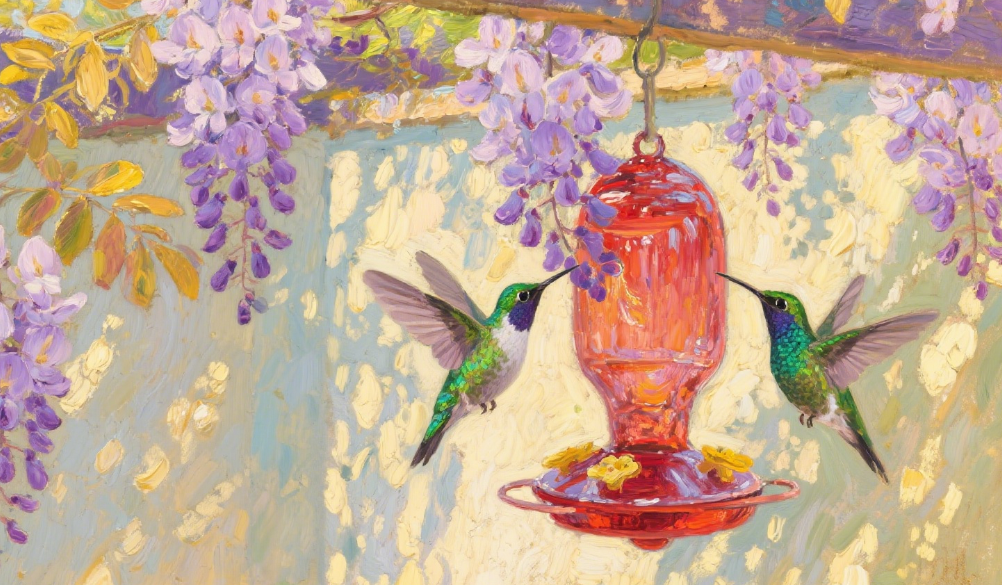
Instructions and precautions for observing less aggressive birds in the American Garden through various methods, including bird feeders.
Jul 22, 2025 Bird knowledge presenters