The following are some common birds found in American gardens and descriptions of bird feeders suitable for them:
Common Birds in American Gardens
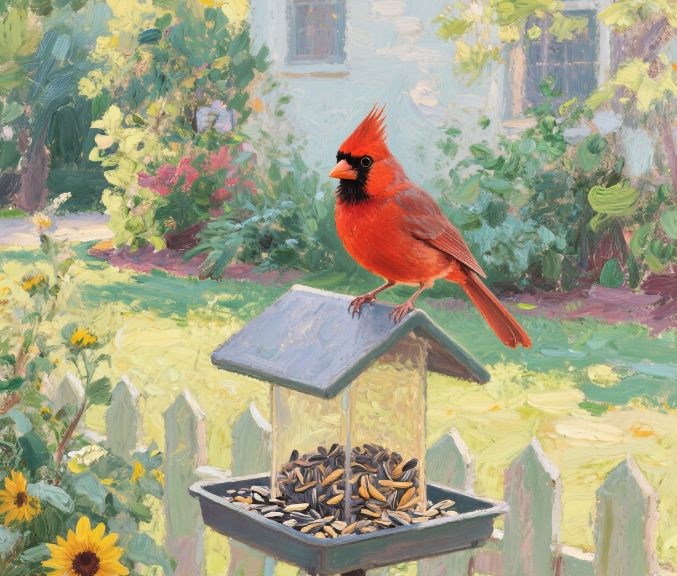
Northern Cardinal: Male birds are bright red, while females are brownish-red, both with distinctive crests. Northern Cardinals primarily eat seeds, fruits, and insects. During winter, their food requirements increase to maintain body temperature and energy levels.
American Robin: Medium-sized with primarily gray or brown feathers and an orange or red belly. They primarily eat insects, earthworms, and fruits, and are most active at dawn, often hopping around lawns in search of food.
Blue Jay: Features vibrant blue feathers, a crest on the head, and black and white patterns on the wings and tail. Blue jays have a diverse diet, including seeds, nuts, insects, and small vertebrates, and they also store food for winter consumption.
House Finch: Small in size, with male birds having red heads and chests, and female birds being gray or brown with stripes. They primarily eat seeds but also consume some insects and fruits, often foraging near bird feeders in gardens.
Velvet Woodpecker: A small woodpecker with a black back and white spots, a white belly, and a red patch on the male's head. They feed on insects, tree sap, and seeds, using drumming on tree trunks to locate food and establish territories.
Suitable bird feeders
Platform-style bird feeder
Features: Typically a flat platform with fences or edges around the perimeter to prevent food from falling off. Some platform-style bird feeders also have roofs to shield food from rain and sunlight, preventing it from getting damp or spoiling.
Suitable birds: Suitable for larger birds such as the North American redbird and American robin, which can easily stand and feed on the platform.
Food options: Can hold various seeds, grains, fruits, etc., such as sunflower seeds, corn, raisins, etc., as well as some breadcrumbs, cookie crumbs, etc., but be sure not to include excessive salt or sugar.
Hanging bird feeder
Features: Suspended from branches, eaves, or specialized stands using ropes, chains, or hooks, these feeders come in various shapes such as cylindrical, spherical, or conical. They typically have multiple feeding ports, allowing birds to eat from different directions.
Suitable birds: Suitable for small birds like the house sparrow, which can easily grip the edges of the feeder or perch near the feeding openings to eat, while also avoiding interference from larger birds or mammals.
Food selection: Suitable for filling with various small seeds like millet, sesame seeds, and rapeseed, which are easy for small birds to peck at and won't easily fall out of the feeding openings.
Woodpecker-specific bird feeder
Features: Typically designed to be mounted on tree trunks or wooden posts. Some feeders have specialized grooves or holes for holding food, while others provide a flat surface for woodpeckers to peck at the food.
Suitable birds: Primarily suitable for woodpeckers such as the downy woodpecker, catering to their natural feeding habits on tree trunks.
Food selection: Can provide foods suitable for woodpeckers, such as nuts, peanut butter, and fruits, or specialized woodpecker feed, which typically contains high-energy components to meet their nutritional needs.
Hummingbird feeder
Features: Typically a small, elegant container with a narrow feeding opening, designed to mimic the shape of a flower to attract hummingbirds to sip nectar. The feeder is brightly colored, often red or orange, to catch the hummingbirds' attention.
Suitable birds: Specifically designed for hummingbirds, suitable for species like the ruby-throated hummingbird.
Food selection: Primarily nectar or sugar water, typically prepared by mixing 1 part white sugar with 4 parts water. Dissolve the sugar in boiling water, let it cool, then pour it into the feeder.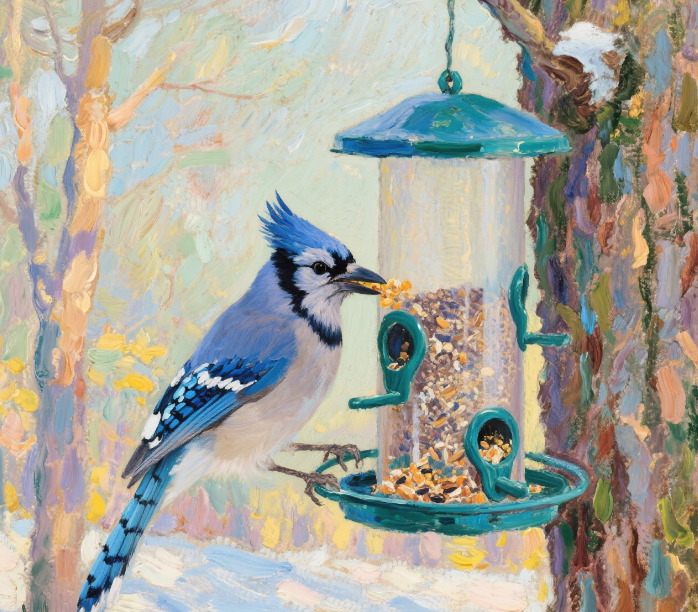
Information about birds in the American Garden and suitable bird feeders
Jul 9, 2025 Bird knowledge presenters