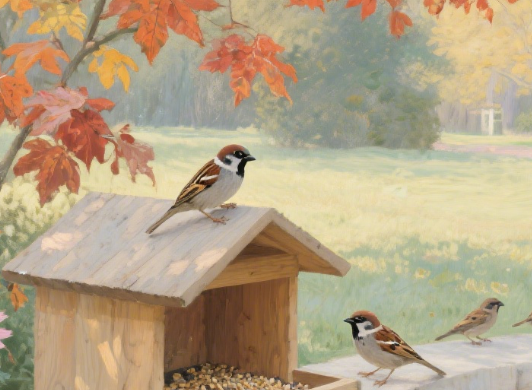
When observing birds in American gardens, it is essential to prioritize respect for nature and ecological conservation, achieving harmonious interaction between humans and nature through scientific and reasonable methods. Specific measures can be implemented in the following areas:
Proper preparation before birdwatching is the foundation for a good experience. First, familiarize yourself with the common bird species in the garden and its surroundings. You can use authoritative books like The Field Guide to North American Birds or bird identification apps to learn about their physical characteristics, calls, and behavioral habits. This will allow you to quickly identify birds during observation, enhancing the enjoyment of the experience. Second, prepare appropriate observation tools. Binoculars are essential, with a magnification of 8–10x and an objective lens diameter of 32–42 mm, which allows for clear observation of bird details while being easy to hold. If you wish to capture memorable moments, a lightweight telephoto camera can be used, but avoid using a flash to prevent startling the birds. Additionally, wear clothing that blends with the surrounding environment, such as khaki or green, to minimize the stimulation of bright colors on birds. Choose comfortable shoes for quiet movement within the garden.
Adhering to proper behavior guidelines is crucial during birdwatching. Stay quiet, move lightly, and avoid loud noises or sudden movements, as birds are highly sensitive to sound and movement. Excessive disturbance may cause them to flee in alarm. Maintaining an appropriate viewing distance is also critical. Different bird species have varying tolerance levels for human proximity. Generally, a minimum distance of 10–15 meters should be maintained. Do not attempt to approach or chase birds, especially during nesting, chick-rearing, or foraging periods. Excessive proximity may cause parent birds to abandon their nests, jeopardizing the survival of the chicks. Additionally, respect birds' natural behaviors and avoid damaging their habitats to obtain better viewing angles, such as arbitrarily breaking branches or moving rocks.
Properly designing your garden environment to attract birds can make birdwatching more convenient and enriching. You can set up bird feeders in your garden and provide appropriate food based on the dietary preferences of common local bird species. For example, sparrows and titmice prefer grains and seeds, while robins and bluebirds favor fruits and insects. It is important to clean the feeders regularly to maintain food freshness and hygiene, preventing food spoilage and bacterial growth that could harm bird health. Providing a water source is also important. A shallow water basin or small fountain can offer birds a place to drink and bathe, attracting a wider variety of bird species. Similarly, the water source should be changed regularly to maintain cleanliness. Additionally, planting native flowers, shrubs, and trees in the garden, such as North American red maple, mountain ash, and coneflower, can provide birds with food sources and create an environment suitable for their habitation and protection from predators, forming a small ecosystem where birds can thrive.
Adopt special observation methods during special periods. The breeding season is the most sensitive period for birds. During this time, observation should be conducted with extra caution, avoiding proximity to nests to prevent disturbance of parental birds' incubation and chick-rearing behaviors. If injured or lost chicks are discovered, do not touch or remove them, as parental birds may be nearby. Maintain a safe distance for observation, and contact local wildlife conservation authorities for assistance if necessary. During winter, food and water sources are relatively scarce. You may appropriately increase the amount of food in feeders to provide birds with energy for overwintering. However, avoid offering foods containing salt, sugar, or processed ingredients, as these may harm birds.
In summary, when observing birds in American gardens, the core principle is to adhere to the principles of “respect, protection, and moderation.” Enjoy their beauty and vitality without disrupting their normal lives, while taking actions to create a favorable living environment for birds, thereby achieving sustainable coexistence between humans and nature.
In the American courtyard, what methods should humans use to observe birds?
Jul 28, 2025 Bird knowledge presenters