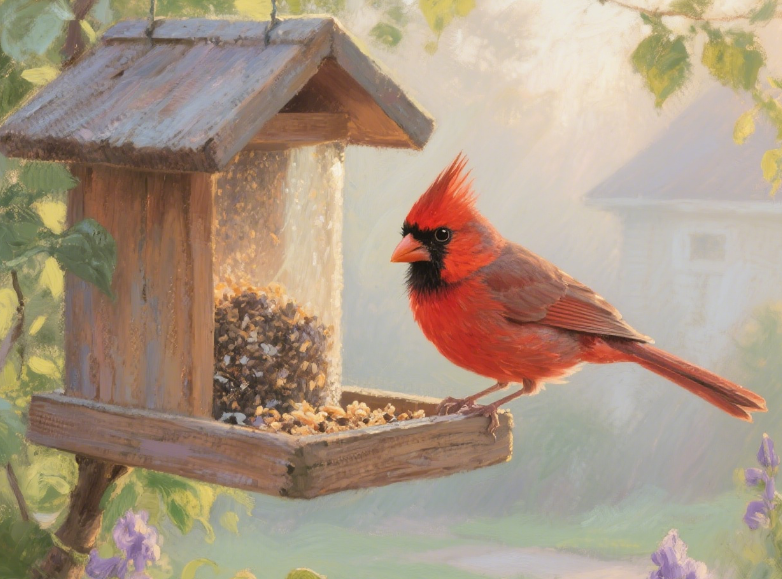
Observing birds feeding at the bird feeder in the American Courtyard, one should adopt the mindset of a humble natural observer. Every bird here—whether it be the crimson crest of the North American cardinal or the agile leaps of the titmouse—is an integral part of this land's ecological network. Their presence is not a sign of “dependence” on humans, but rather a natural opportunity for connection.
Approach with silent respect. There is no need to disturb them intentionally or overfeed them; simply wait in a peaceful manner. Watch their focused feeding, listen to the gentle rustle of wings gliding over tree branches, and feel how these small lives have found a delicate balance between urban and wilderness edges. At this moment, humans are more like invited guests than masters of the garden, and must learn to safeguard this fragile trust from a distance.
A touch of empathy is also needed. Observe how they remain vigilant against predators, how they share food, and how they adjust their foraging rhythms with the changing seasons. These behaviors reveal the resilience and wisdom of life, reminding us that humans and all creatures share the Earth's breath. When the song of the North American redbird pierces the morning mist, it is not only a gift from nature but also a gentle response to this mindset of equal coexistence.
Delving deeper, this act of observation is actually a silent ecological dialogue. The seeds in the feeder may be provided by humans, but the birds’ arrival, stay, and departure always follow the laws of nature. Watching a flock of goldfinches shake off debris from their feathers in the sunlight, or a blue jay using its beak to preen dew-covered feathers, one realizes they have never altered their true nature due to human kindness. The act of humans providing food is, at its core, a small compensation for the local ecosystem—as cities continue to encroach on wildlife habitats, this small bird feeder becomes a microcosm of ecological restoration. This understanding fosters a sense of reverence when observing: what we offer is merely a means of survival, yet what they return is an opportunity for humans to reconnect with nature. Perhaps one evening, you might see a robin burying uneaten berries in the soil. This casual action hints at an anticipation of the seasonal cycle, and reminds us that the relationship between humans and nature should be one of mutual support and understanding.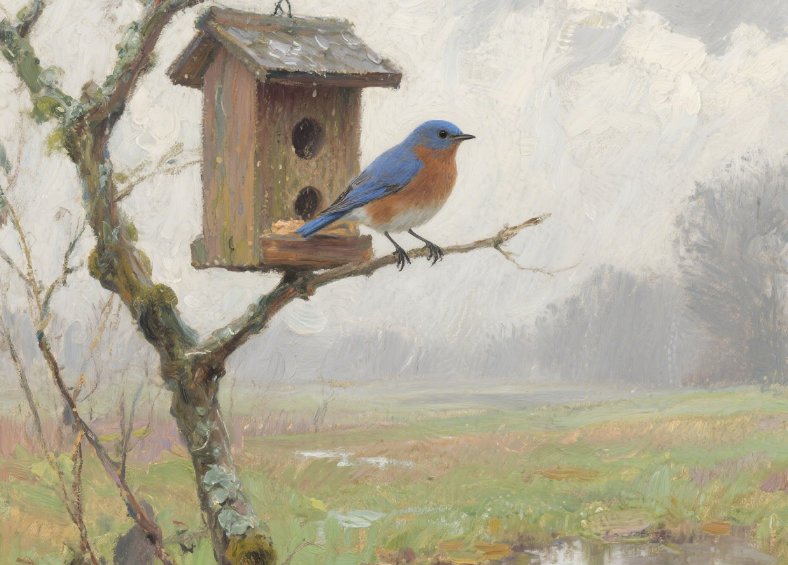
In the American courtyard, what kind of mindset should humans adopt when observing birds feeding from bird feeders?
Jul 30, 2025 Bird knowledge presenters