In American gardens, using birds to control pests is an environmentally friendly and effective method. The key lies in creating an environment suitable for birds to inhabit, attracting them to come and settle, thereby achieving natural pest control.
Firstly, providing a rich food source is the foundation for attracting birds. In addition to the naturally occurring pests in the garden, you can also plant some bird-friendly plants, such as berry-bearing plants (e.g., blueberries, holly). These plants not only provide food for birds but also add color to the garden. Additionally, avoid overusing chemical pesticides, as they can kill pests, leading to a shortage of food for birds, and residual pesticides may harm their health.
Secondly, water sources are crucial for birds. You can set up a small pond, water basin, or fountain in your yard, keeping the water clean and flowing. This provides birds with drinking water and allows them to bathe. Bathing helps birds keep their feathers clean, which is beneficial for flight and insulation, enabling them to catch pests more vigorously.
Furthermore, providing safe habitats and breeding sites for birds is also important. Planting dense trees, shrubs, and herbaceous plants in the yard can create a multi-layered vegetation structure, offering birds places to hide from predators, build nests, and rest. Additionally, installing birdhouses is a good option. Different bird species have varying requirements for the size and shape of birdhouses. For example, blue tits prefer smaller birdhouses, while woodpeckers need larger ones with uniquely shaped entrances. When installing birdhouses, choose an appropriate location to avoid direct sunlight and exposure to wind and rain, and keep them away from areas with high human activity to ensure the birds' safety.
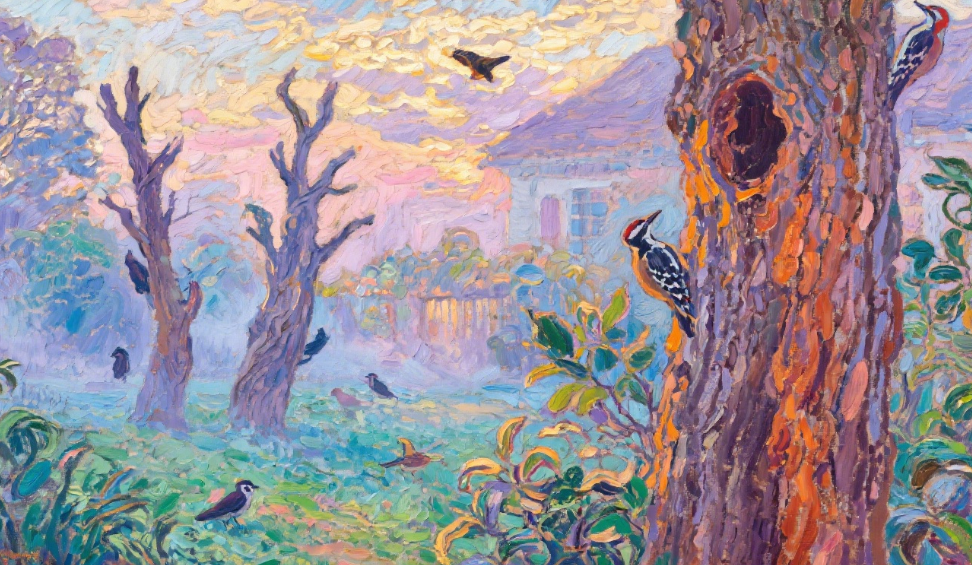
Furthermore, understanding the common insect-eating bird species in the Americas and their habits, and targeting them specifically, can enhance pest control efficiency. For example, chickadees are highly active insect-eating birds that enjoy hopping between branches to search for insects and eggs; swallows excel at catching flying insects in mid-air, such as mosquitoes and flies; woodpeckers feed on pests within tree trunks, such as beetle larvae. Based on these bird behaviors, create an environment in the yard that suits their activities, such as providing suitable nesting sites for swallows (e.g., under eaves) and preserving some dead wood for woodpeckers.
Finally, maintaining ecological balance in the garden is key to attracting birds long-term and leveraging their pest control benefits. Avoid over-cleaning the garden; leave some fallen leaves, dead branches, and weeds, as these areas often serve as pest habitats while also providing foraging sites for birds. Additionally, diversify plant species to create a varied ecosystem, which not only attracts more bird species but also enhances the garden's resistance to pests and diseases.
By implementing these measures, an American garden can become a paradise for birds, which will naturally prey on various pests in the garden, such as aphids, caterpillars, and beetles, thereby reducing pest damage to garden plants and achieving harmonious coexistence between humans and nature.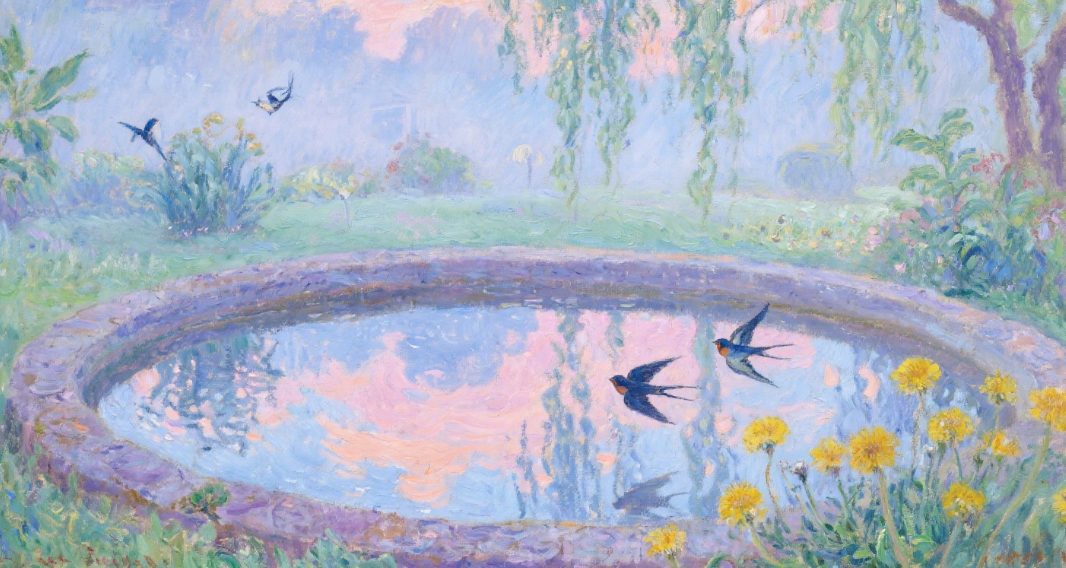
In American gardens, how can birds be used to eliminate and remove various pests from the garden?
Jul 24, 2025 Bird knowledge presenters