In American gardens, bird feeders are an important tool for attracting colorful birds and adding natural vitality. However, over time, bird feeders can accumulate bird food residue, bird droppings, and even harbor bacteria and mold, which not only affect bird health but also shorten the lifespan of the feeder. Therefore, regular cleaning of bird feeders is crucial. The following is a comprehensive and practical cleaning guide to help you create a clean and safe bird-feeding environment.
1. Preparations before cleaning
(1) Prepare cleaning tools
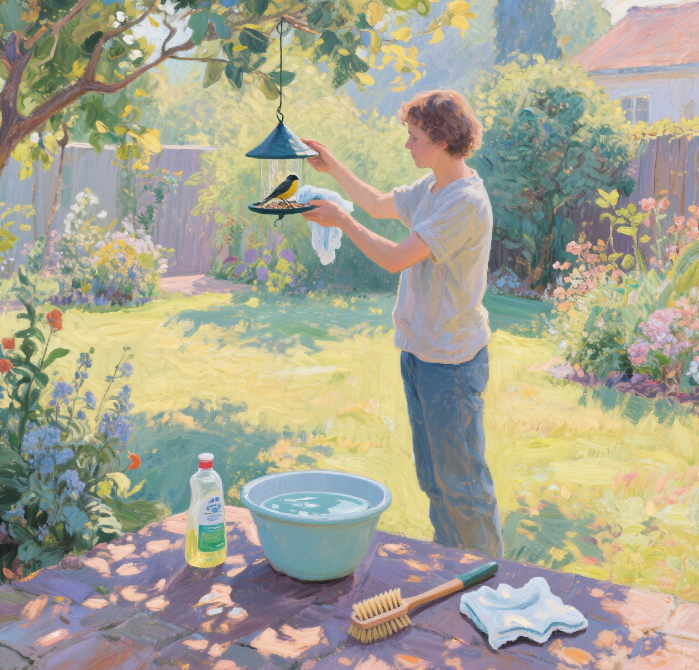
Cleaning bird feeders requires appropriate tools. First, choose a mild dishwashing detergent as the cleaning agent. Avoid using detergents containing strong chemical components, as these chemicals may leave residues on the bird feeder and harm the birds. Second, a brush should be selected based on the material and structure of the feeder, such as a nylon brush or soft-bristle toothbrush, to clean dirt from corners and crevices. Additionally, a large basin should be prepared for soaking and rinsing the feeder. Finally, clean cloths or paper towels are essential for drying the feeder after cleaning.
(2) Choosing the Right Time to Clean
To avoid disrupting the birds' feeding, choose an appropriate cleaning time. Generally, early morning or evening when bird activity is relatively low is a suitable time for cleaning the bird feeder. If there is a significant amount of bird food residue on the feeder, or if mold or bacteria have clearly developed, it should be cleaned promptly even during peak bird activity periods. After cleaning, the feeder can be temporarily set aside and rehanged once it is completely dry.
2. Cleaning Steps
(1) Disassemble the Bird Feeder
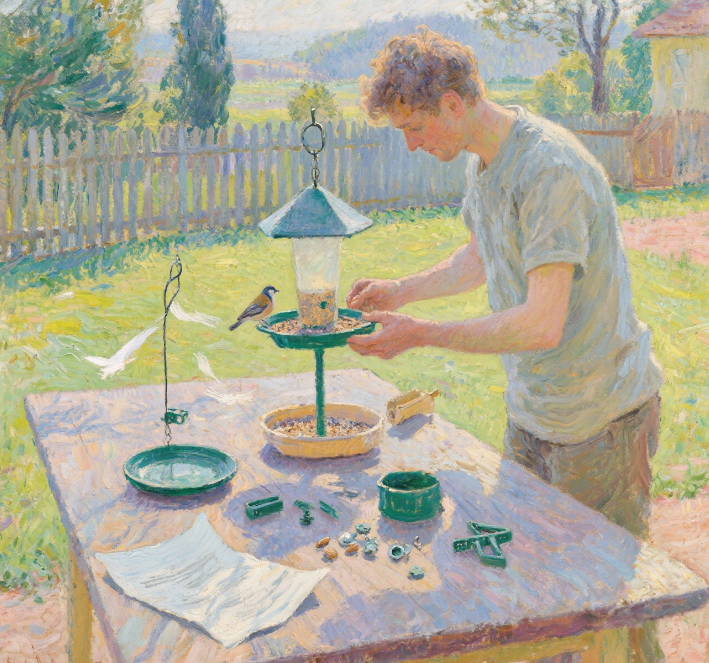
Most bird feeders can be disassembled for thorough cleaning. Carefully examine the structure of the bird feeder and disassemble the components according to the instructions or assembly principles. For example, separate the feeding tray, food storage container, and hanging bracket, and ensure that small parts are properly stored to prevent loss.
(2) Soaking and Rinsing
Add an appropriate amount of warm water and dish soap to a basin, then soak the disassembled bird feeder components in the water for 15–20 minutes to soften the dirt. After soaking, rinse each component with clean water; the water pressure will remove most of the loosened residue and dirt. For stubborn stains, use a brush to gently scrub the area, being careful not to apply too much force to avoid scratching the surface of the bird feeder. Pay special attention to areas such as feeding holes and crevices, which are prone to accumulating dirt and grime.
(3) Disinfection
After rinsing thoroughly, disinfect the bird feeder to eliminate bacteria and viruses. You can use a diluted white vinegar solution (mix white vinegar and water in a 1:9 ratio) or a diluted bleach solution (mix bleach and water in a 1:10 ratio) to soak the feeder components for 10–15 minutes. After disinfection, be sure to rinse thoroughly with plenty of clean water to ensure all disinfectant is removed, as residual disinfectant can harm birds.
(4) Drying and Assembly
Place the cleaned and disinfected bird feeder components in a well-ventilated area to air dry naturally, or use a clean cloth or paper towels to dry them. Once all components are completely dry, reassemble them in the reverse order of disassembly. During assembly, check that all components are securely fastened to prevent loosening or detachment during use.
3. Cleaning Tips for Different Types of Bird Feeders
(1) Hanging Bird Feeders
Hanging bird feeders typically have multiple feeding holes and storage compartments. When cleaning, focus on removing birdseed residue around the feeding holes to prevent blockages. The interior of the storage compartment can accumulate moist birdseed, which may lead to mold growth, so it must be thoroughly cleaned and dried. Additionally, inspect the hanging ropes or hooks for wear and tear; if damaged, replace them promptly to ensure the feeder is securely suspended.
(2) Platform-style bird feeder
The surface of platform-style bird feeders tends to accumulate bird droppings and food debris. When cleaning, first sweep away any debris from the surface, then use a brush to scrub the platform surface and edges. For wooden platform-style bird feeders, avoid prolonged soaking in water to prevent warping or rot. After cleaning, apply a protective oil coating to extend the feeder's lifespan.
(3) Hummingbird Feeder
Hummingbird feeders have a relatively delicate structure, so extra care is needed during cleaning. In addition to regular cleaning steps, focus on cleaning the feeding opening and the interior of the reservoir. Nectar in hummingbird feeders can ferment and spoil easily, so cleaning should be done more frequently, ideally every 3–5 days. After cleaning, refill with fresh nectar and ensure the feeding opening is unobstructed to allow hummingbirds to feed easily.
4. Precautions
Safety first: Avoid using sharp tools during cleaning to prevent injury. If using a ladder to clean feeders in high places, ensure the ladder is stable and have someone assist you.
Regular Cleaning: Determine an appropriate cleaning schedule based on the frequency of use and environmental conditions of the feeder. Generally, clean at least once a week. If bird activity is frequent or the weather is humid, increase the cleaning frequency.
Observe Bird Health: After cleaning the feeder, observe the birds' feeding behavior and overall health. If abnormal behavior or signs of illness are noticed, it may be due to inadequate cleaning or other factors. Take appropriate measures promptly.
By following the above steps and key points, regularly cleaning the bird feeder in your American-style courtyard not only provides birds with a clean and safe feeding environment, attracting more species to visit, but also brings vitality and energy to the courtyard, allowing you to enjoy the beauty of harmonious coexistence with nature.
This guide covers various bird feeder cleaning methods. If you have specific cleaning needs for a particular type of bird feeder or wish to learn more about bird care, feel free to reach out to me at any time.
We recommend using our FlowaFoli bird feeder!