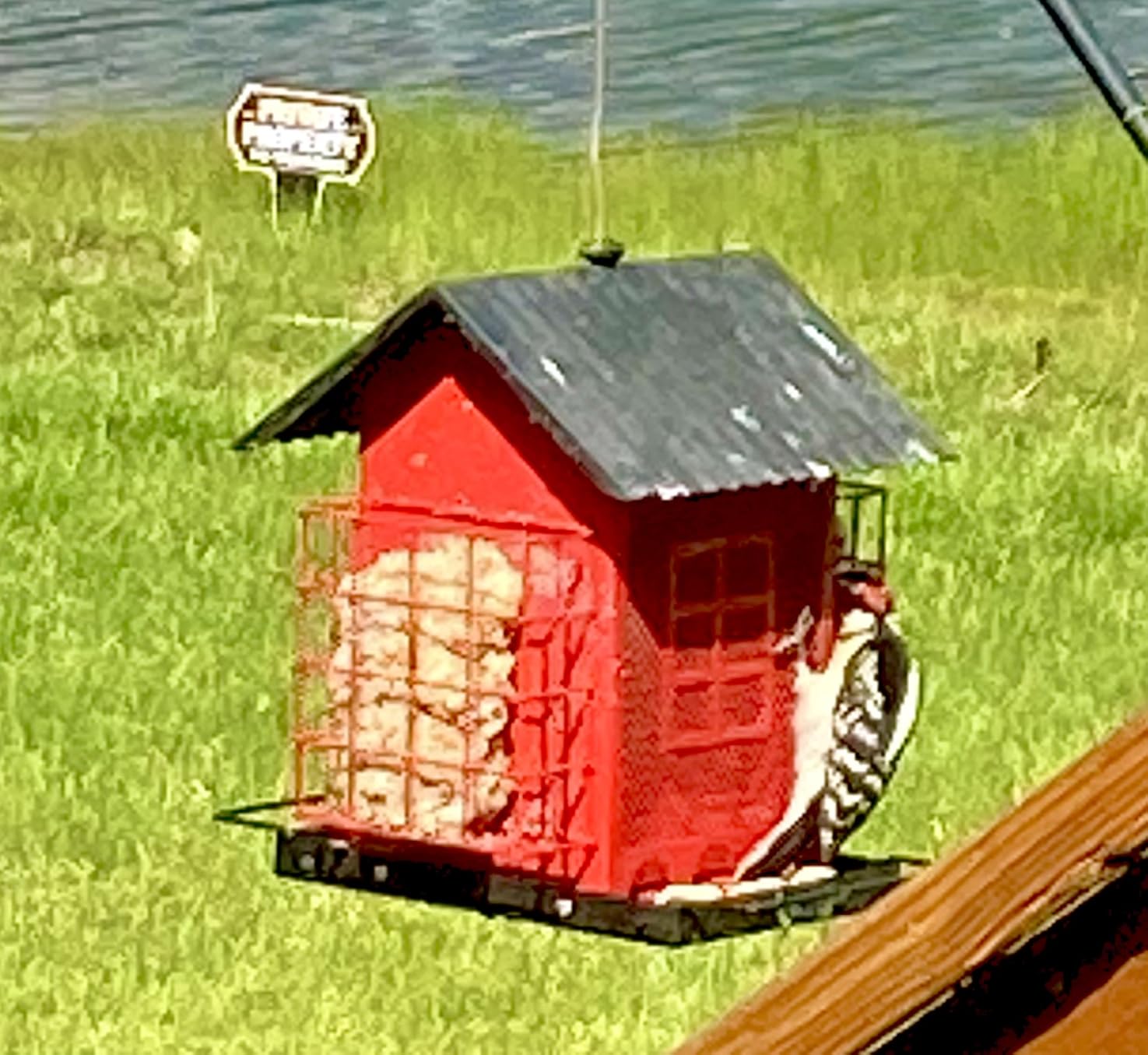
The core principles for selecting birds to feed in American courtyards are to adapt to the local bird diet, balance feeding convenience, and avoid harmful risks. At the same time, combined with the characteristics of the courtyard environment, it can attract birds to stay and reduce the burden of feeding operations and ecological interference. The following are specific selection points
The common bird species in American courtyards, such as sparrows, bluebirds, goldfinches, woodpeckers, hummingbirds, etc., have significant differences in diet and require targeted selection. At the same time, natural foods are more easily accepted by birds and can simulate natural feeding scenarios.
1. Select core foods according to dietary classification
-Plant eating/omnivorous birds (accounting for the majority of courtyard birds): These birds mainly feed on seeds, fruits, and tender shoots, and prefer locally common natural seeds and fruits. Sunflower seeds (which attract sparrows and goldfinches), millet, millet seeds (suitable for small sparrows), and red flower seeds (which attract songbirds such as indigo bunting) can be used as seeds. It is recommended to choose salt free and flavorless native seeds and avoid processed nuts or seeds (such as salt baked or sugar soaked varieties). Fruit trees or shrubs native to the Americas can be planted in the courtyard, such as American holly, catalpa, and elderberry. Their fruits can be preserved for a long time and are used by birds for winter feeding; Temporary supplementation can choose fresh apple chunks, grapes, blueberries (cut into small pieces for easy consumption) to avoid rotting fruits.
-Carnivorous/insectivorous birds (such as woodpeckers, bluebirds, and shrikes): These birds need to be supplemented with animal protein. They can choose breadworms (live or freeze-dried, attracting bluebirds and flycatchers), skim cooked beef powder (placed in small amounts to avoid greasiness), or keep a small amount of native weeds or dead wood in the yard to naturally breed insects and reduce the burden of artificial feeding. Please note to avoid feeding live rodents or large insects to prevent bird fights.
-Hummingbirds and other special feeding birds: The Americas are the main distribution area of hummingbirds, which rely on nectar as their core food. They can choose specialized hummingbird nectar (mixed with 4 parts water and 1 part white sugar, boiled and cooled before use, without adding preservatives or pigments), or plant honey source plants in the courtyard (such as sage, honeysuckle, butterfly bush). Natural nectar is more in line with their feeding habits and does not require frequent supplementation.
2. Prioritize the use of food produced by local plants
The seeds and fruits of native plants have stronger adaptability to the evolution of native birds, higher bird recognition, and can reduce the ecological risks that foreign plant food may bring. For example, the seeds of native dogweed and ragweed in North America are natural food for small sparrows, while the seeds of exotic plants may be rejected by birds or pose a threat to invasive species.
We recommend our Flowafoli bird feeder!