The "supernatural matters" referred to here can be understood as abnormal phenomena that exceed the conventional survival experience of backyard birds in the Americas - including objective environmental changes such as extreme climate fluctuations and interference from unknown sound/light sources, as well as unconventional disturbances derived from human activities (such as the operation of special equipment and the invasion of unfamiliar creatures). From the perspective of ecological adaptation, although these birds cannot "cognize" supernatural concepts like humans, they can construct an efficient response system through their evolved physiological stress systems and flexible behavioral strategies. The core logic is "rapid threat recognition - initiate survival priority - adjust resource allocation", which can be specifically divided into the following three levels: First, physiological stress system: the core engine to initiate "emergency mode"
It is noteworthy that birds that have long adapted to courtyard environments, such as the cardinal and the Carolina tit, have developed a "low-stress response" trait. Studies have found that compared to their rural counterparts, female song sparrows in urban courtyards exhibit significantly lower levels of corticosterone when disturbed, and can return to brooding behaviors such as incubating eggs more quickly. This means that courtyard birds, which are frequently exposed to human activities, have significantly elevated physiological stress thresholds. When faced with unusual disturbances akin to those outside their natural habitat, they are less likely to fall into a dangerous state of excessive stress and can maintain a relatively stable physiological balance.
On the long-term adjustment level, birds adjust their activity rhythms and resource utilization methods based on the frequency of "super-external events". For example, if there are frequent occurrences of abnormal light sources at night in a certain area (such as garden decorative lights left on, sudden lighting), migratory birds that rely on starlight navigation may change their migration routes or adjust their activity time in the garden to avoid interference from nighttime light sources. If abnormal events cause damage to the original foraging area (such as extreme rainstorms destroying insect habitats), birds will expand their foraging range and utilize the "wild areas" within the garden - untrimmed grass, fallen leaves, native shrubs, etc. These areas not only provide food such as insects and seeds but also serve as important safe havens. Research shows that gardens with a natural, "messy" appearance have more than three times the number and variety of bird species compared to neatly manicured lawns, precisely because these areas provide sufficient resource support for birds to cope with various abnormal disturbances.
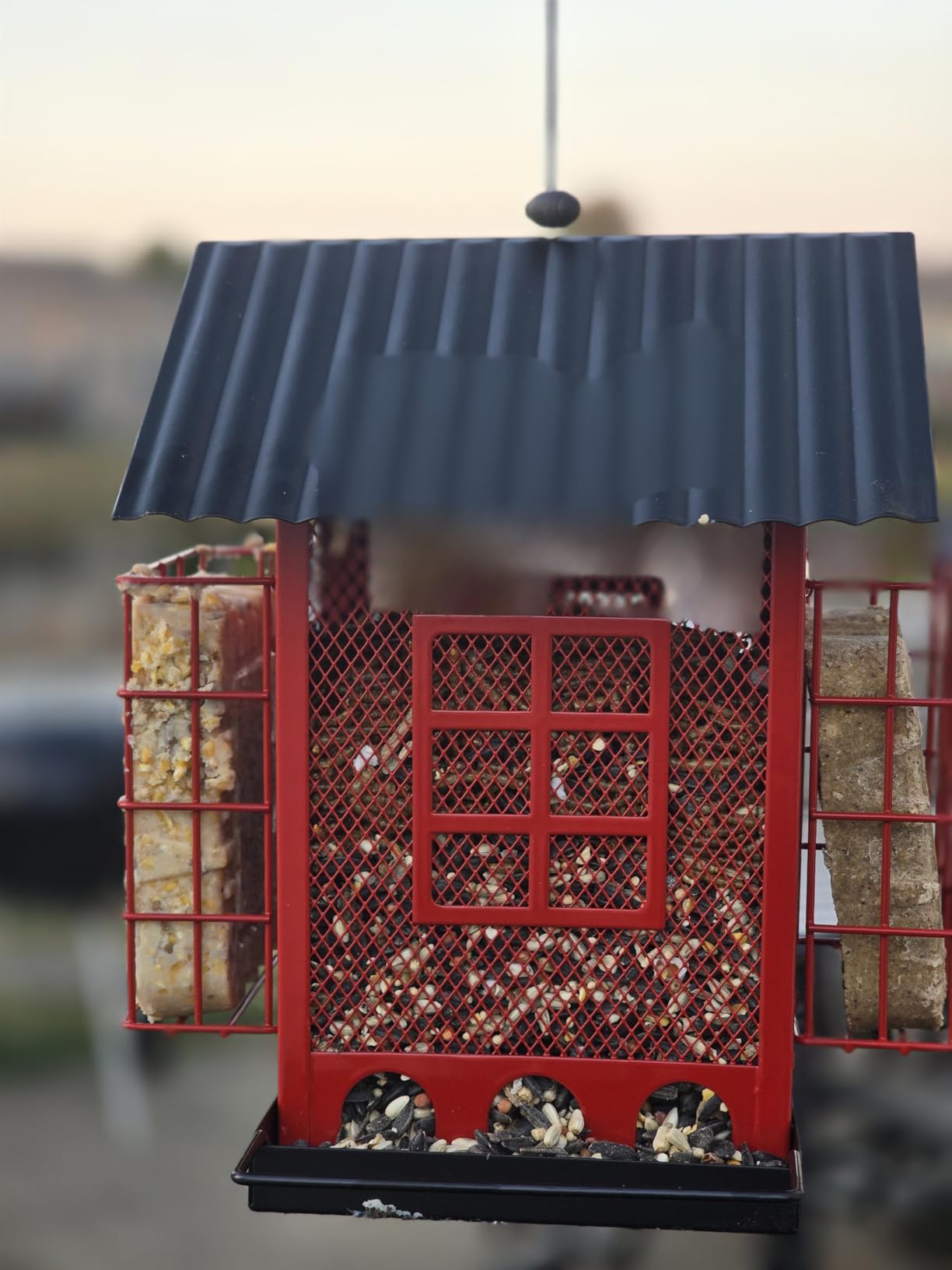
We recommend our Flowafoli bird feeder!