1、 Core coping logic: replacing artificial time with natural rhythms
Birds do not have "time cognition", and their behavioral adjustments are entirely based on natural signals such as solar position and light intensity, rather than human set clocks or daylight saving time switches. For example:
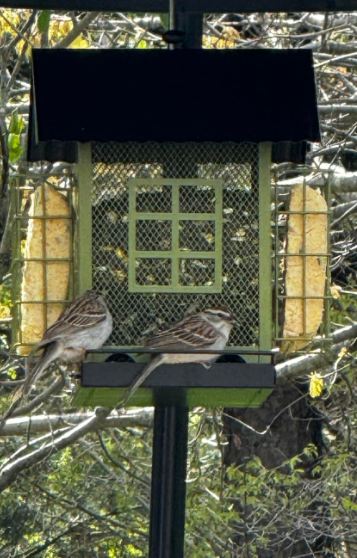
The 'Seemingly Changing' Feeding Time: Birds such as the Crested Tit in the courtyard are accustomed to foraging one hour before sunset, and their foraging behavior at 7 pm during daylight saving time will show up at 6 pm after switching to standard time (with consistent actual lighting conditions).
Autonomous calibration of sleep rhythm: Although captive birds may go to bed early due to early light exposure (such as from 7:30pm to 5:45pm), it is essentially a response to the natural dustk/dawn cycle, rather than being disturbed by artificial time.
2、 Specific response strategies for different 'update processing'
(1) Switching between daylight saving time and standard time: synchronizing behavior with lighting changes
Implicit stability of foraging behavior
The common pine goldfinch and black crowned tit in North American courtyards are always linked to the "twilight period" when their feeders are accessed. The "1 hour advance" displayed on the human clock is only a natural adaptation of birds to changes in sunset time, rather than an active adjustment of their daily routine.
Rapid adaptation of sleep cycle
Most birds can fully synchronize their new light cycle within 1-2 weeks: if the lights are artificially delayed until 7 pm, birds such as parrots will correspondingly delay falling asleep; If one follows the natural darkness, their sleep duration (12-13 hours) remains stable and there will be no health problems due to time switching.
(2) Climate driven environmental change: Adjusting reproduction and migration rhythms
Gradual shift in migration time
North American songbirds, such as the indigo bunting and scarlet linana sparrow, are migrating northward at an average rate of 5 days every 10 years to match early germinating plants. However, there are still 9 bird species that face the risk of mismatch between breeding season and peak food intake due to delayed adaptation speed.
Resource adaptation for nest building and foraging
The adaptable American Crested Tit will adjust its nesting material sources: during the spring breeding season, if there is insufficient natural hair, it will actively collect the hair dropped by humans while grooming pets; When foraging, prioritize larger nuts in the feeder to cope with potential increased food competition.
(3) Human activity interference: using artificial environment to buffer changes
Relying on artificial feeders to stabilize rhythms
When natural food decreases due to climate fluctuations, courtyard birds will strengthen their dependence on feeders. Research shows that even if time switching causes humans to feed at seemingly mismatched times, birds can still determine the optimal feeding window based on light.
Alternative nesting options for nest boxes
When natural tree holes decrease, cave nesting birds such as the black crowned tit prefer to use nest boxes set by humans, and can adjust their entry and exit times according to the position of the nest boxes to avoid peak human activity.
3、 Key conclusion: Differences in adaptability determine survival strategies
Dominant species (such as the American Crested Tit): By flexibly utilizing artificial resources (feeders, nest boxes) and quickly responding to changes in light, they maintain a stable sleep and reproductive cycle.
Sensitive species (such as Rhododendron amurense and Blue winged Warbler): Due to their migration or reproductive rhythms lagging behind climate change, they face the risk of population decline and require human protection interventions.
We recommend our Flowafoli bird feeder!