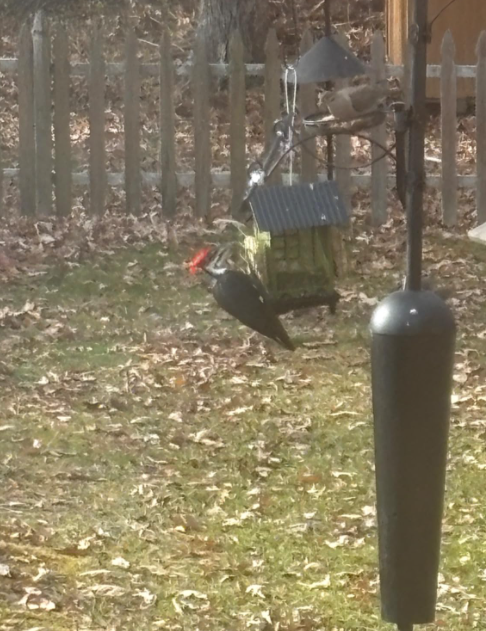
1、 Energy supply: precise repair from "ingredient selection" to "efficient digestion"
Birds in American courtyards are well aware that "energy is the cornerstone of repair" and adjust their feeding strategies according to their level of fatigue. For physical exhaustion caused by long-term migration or foraging, carnivorous birds (such as American mockingbirds and warblers) will preferentially prey on high protein Orthoptera insects (crickets, locusts) and Lepidoptera larvae. The protein conversion rate of these foods can reach over 80%, which can quickly repair muscle fiber damage. And herbivorous birds (such as the North American Cardinals and Cedar Peacock) focus on berries and seeds: the former prefer holly fruits rich in glucose, which quickly provide energy for the nervous system; The latter peck at seeds with oil content exceeding 40%, such as sunflower seeds, and convert them into energy storage fats through the liver to reserve energy for subsequent recuperation.
Some birds have also evolved the ability to 'efficiently digest and assist in repair'. For example, after a long flight, a swallow will swallow small gravel and store it in its stomach and muscles
By mechanically grinding, the calcium absorption efficiency of insect exoskeletons can be improved, and the repair of bones and feathers can be strengthened; Hummingbirds, on the other hand, secrete highly active digestive enzymes synchronously while hovering to forage for nectar, increasing the rate of sucrose decomposition to three times that of ordinary birds to cope with their extremely high energy consumption.
2、 Physiological regulation: a deep rest from "temperature control" to "metabolic optimization"
(1) The dynamic balance between body temperature and energy
Faced with metabolic disorders caused by fatigue, birds will reduce energy consumption through "allothermic regulation". After returning from foraging in the cold winter, the body temperature of mountain sparrows can drop from 41 ℃ to around 30 ℃, entering a "shallow hibernation" state, reducing energy consumption by more than 50%; In desert areas, the Desert Spirit will spread its feathers and expand its airbags when tired at noon, dissipating heat through skin evaporation to avoid additional physical loss caused by high body temperature.
(2) Self repair of feathers and body surface
Feather wear and tear is a common sequelae of flight fatigue, and the "grooming behavior" of birds is actually a precise repair process. The North American bluebird uses its beak to dip the oil secreted by its tail fat gland and evenly apply it to the surface of its feathers to form a waterproof protective film. At the same time, it combs through the hook like structure between its feather branches to restore the insulation and aerodynamic properties of its feathers; For severely damaged feathers, goldfinches will actively remove the remaining feathers to stimulate hair follicles and accelerate the growth of new feathers. During this process, they will increase their intake of foods rich in methionine, providing raw materials for feather keratin synthesis.
(3) Efficient elimination of metabolic waste
In a state of exhaustion, the excretory system of birds will strengthen its' load reducing function '. Small birds such as sparrows can shorten the residence time of feces in the intestines and excrete metabolic waste through frequent excretion; And when eagles and other raptors become tired after hunting, they will spit out "food pills" composed of indigestible bones and feathers, reducing the burden on the digestive tract and allowing the body to focus on energy recovery rather than waste disposal.
3、 Security guarantee: a recuperation barrier from "habitat selection" to "community collaboration"
(1) Accurate screening of microenvironment
Birds' requirements for resting habitats far exceed 'shelter from wind and rain'. After exhaustion during the breeding season, the thrush will choose evergreen trees with dense branches and leaves in the courtyard (such as fir trees), using dense leaves to block the view of natural enemies, while the insulation of the trunk can maintain a stable temperature; Home sparrows prefer to be close to gaps in human buildings, using the insulation of walls to reduce energy consumption, and human activities can to some extent drive away predators such as raptors.
(2) Mutual aid repair of community behavior
Social birds enhance rest safety through collaboration. When the starling flock is tired, they gather and inhabit, forming a "tight cluster". The outer individuals are alert to natural enemies, while the inner individuals can rest peacefully. The cluster can reduce heat loss through the group temperature effect; Blue crows and other birds with "altruistic behavior" will actively share vigilance tasks when their peers are tired, and even feed individuals who cannot forage, accelerating the overall recovery of the group.
4、 Emergency repair strategies for special scenarios
(1) The 'fast charging mode' after migration
After the Arctic Tern, a long-distance migratory bird, arrives in the courtyard of the Americas, it enters a "binge eating period" - their daily food intake can reach 50% of their body weight, and they prefer aquatic insects rich in Omega-3 fatty acids, which can quickly repair myocardial cells and relieve cardiovascular and cerebrovascular pressure during migration; At the same time, they will reduce activity and extend their daily rest time to more than 16 hours, minimizing energy consumption.
(2) The 'division of labor and recuperation' after reproduction
After the breeding season ends, male and female birds will accelerate their recovery through division of labor. For example, the male of the North American Cardinals will continue to undertake territorial surveillance tasks, allowing the female to focus on foraging and resting; And mockingbirds will alternate between male and female hatching (if there are late maturing chicks), allowing both sides to have a brief rest time. At this time, their foraging range will be reduced to within 50 meters of their habitat, reducing the energy consumption of traveling back and forth.
We recommend our Flowafoli bird feeder!