1、 Core behavioral framework: Building a priority pyramid based on survival needs
Birds evolve to form a fixed task priority ranking, ensuring that key needs are prioritized:
Instant hedging (highest priority)
The "group alert system" of blue crows is a typical case: their sharp "jay jay" call can simultaneously warn their peers to avoid threats such as eagles and cats. At this time, whether they are foraging or building nests, the birds will immediately pause their current activities and hide in evergreen shrubs or dead tree shelters. Research shows that courtyard birds have a response time of no more than 0.3 seconds to moving shadows and unfamiliar sounds, much faster than other behavioral response speeds.
Breeding guarantee (seasonal priority)
Birds during the breeding season will restructure task allocation:
Male Northern Cardinals need to simultaneously complete "territory defense" and "mate feeding", marking their territory by singing in the morning and feeding the female bird with sunflower seeds in the afternoon;
House wrens actively destroy the eggs of other birds to improve the survival rate of their offspring, but they are protected by law and cannot be interfered with, reflecting the reproductive priority strategy under natural selection.
Resource acquisition (basic requirements)
Optimizing foraging and drinking water according to the "energy efficiency ratio":
The omnivorous American Robin preferentially preys on surface earthworms after rain, and turns to feeding on berries and seeds during drought;
When hummingbirds rely on nectar, they will remember 3-5 high-quality flower locations in their yard, plan their feeding routes according to the flowering time, and avoid competition from starlings.
Environmental adaptation (dynamic adjustment)
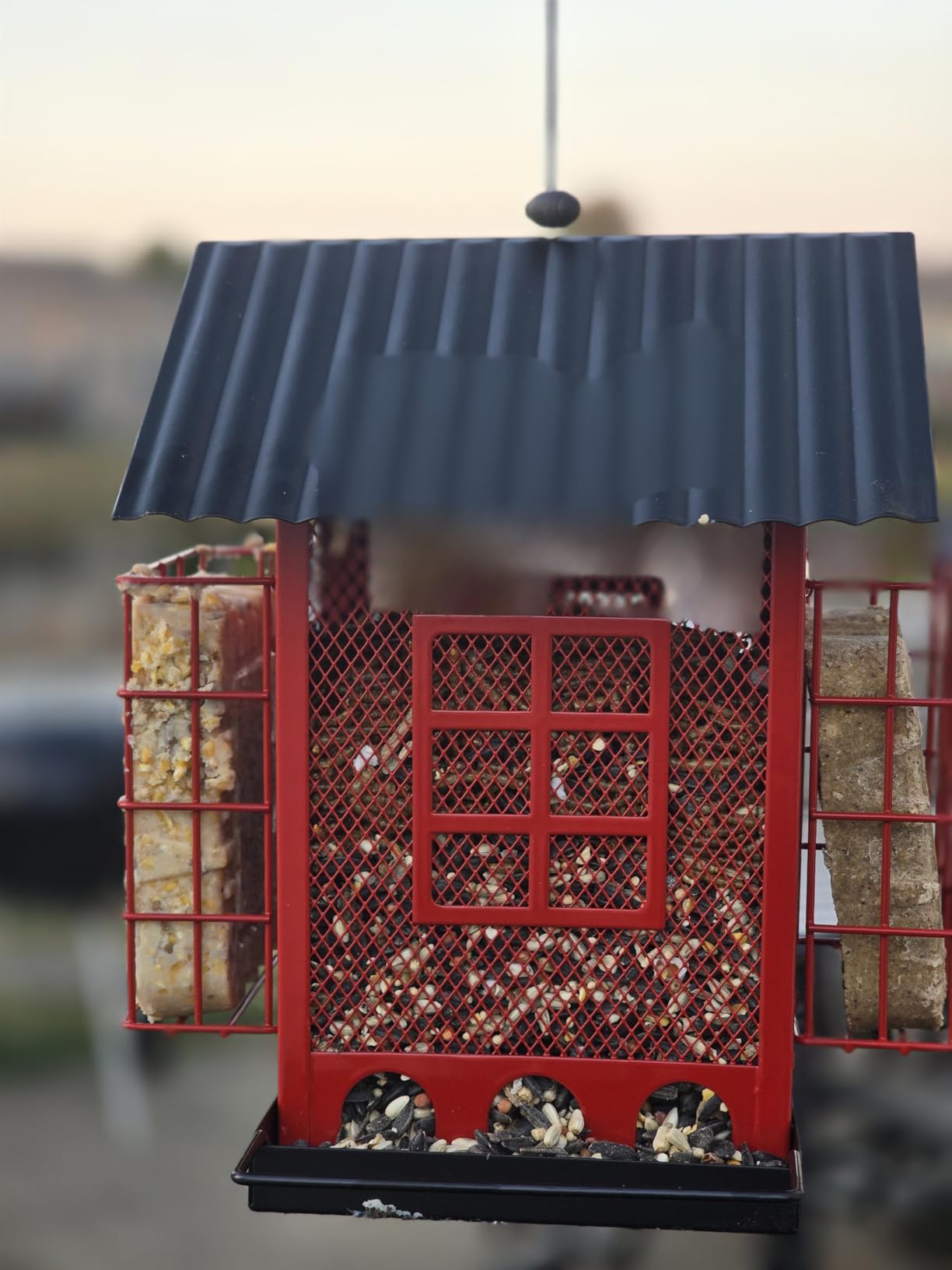
Flexible adjustment to cope with human activities: When hanging feeders are installed in the courtyard, sparrows feeding on the ground will gradually adapt to climbing and feeding; If there are barriers such as fishing nets, fish eating birds (such as kingfisher) will switch to the uncovered pond area.
2、 The impact of human environment on task processing
The bidirectional effect of resource intervention
Positive: Providing sunflower seed and nectar feeders can reduce bird foraging time (from 4 hours per day to 2 hours), freeing up more time for nest building and vigilance;
Negative: Insecticides lead to a decrease in insects, causing carnivorous birds (such as sparrows) to increase their foraging time by 30% and resulting in a 15% decrease in chick survival rate.
Balance between Barrier and Protection
Physical barrier: A single rope hanging every 1 foot above the pond can effectively block herons, but 1/3 of the area needs to be reserved for other bird activities;
Legal boundary: Sparrows and starlings introduced to Europe are not protected, and their nests can be dismantled to reduce oppression of native birds, reflecting human assisted ecological balance.
3、 The cognitive support behind behavior
The task organization of birds relies on basic cognitive abilities:
Emus and other ancient jawed birds can obtain food by rotating a turntable, proving that even species with smaller brains have the ability to solve simple problems;
Courtyard birds can distinguish between "safe" and "dangerous" areas: feeders near windows have low utilization rates, while areas covered by shrubs have three times higher access frequency.
How do birds in American courtyards organize and process recent events in a clear manner
Oct 14, 2025 Bird knowledge presenters