When the American courtyard undergoes multiple updates such as plant replacement, climate fluctuations, and human activity adjustments, the birds in the courtyard are not passive bearers. These feathered 'residents' rely on their adaptive abilities evolved over millions of years to construct a new balance in a dynamic environment through behavioral adjustments, resource restructuring, and survival strategy optimization. From the foraging of North American cardinals to the nesting adaptation of migratory thrushes, each response showcases the ingenuity of nature.
1、 Vegetation Renewal: Reconstructing Foraging Networks between Native and Alien Plants
Recently, many courtyards have sparked a trend of "local plant substitution", replacing foreign ginkgo trees and artificial lawns with native vegetation such as oak trees and hawthorn trees. This change directly reshapes the food supply system for birds. For birds that rely on insects to raise chicks, this update can be called an "ecological dividend" - research shows that oak trees can support 534 species of caterpillars, while ginkgo trees can only support 5 species. This disparity provides abundant food sources for thrushes and warblers that feed on caterpillars.
Birds quickly catch this resource change: North American Cardinals jump between the branches of native shrubs, pecking at ripe berries; Woodpeckers concentrate their foraging range on the trunks of newly planted oak trees, searching for hidden insects. For courtyards with a small amount of residual foreign plants, omnivorous birds exhibit flexible strategies. They prioritize feeding on high nutrient foods provided by local plants and only feed on seeds of foreign plants when necessary. This selective foraging not only ensures energy intake but also accelerates the positive cycle of courtyard ecology.
2、 Climate fluctuations: adapting to environmental challenges through both physiological and behavioral means
The recent extreme heat and precipitation changes in many parts of the Americas have forced courtyard birds to activate multidimensional response mechanisms. During the high temperature period at noon, the number of active birds in the courtyard significantly decreases, and is replaced by a "summer group" under the shade of trees - the main Cardinals will spread their wings slightly and dissipate heat through the air circulation between their feathers; The thrush frequently travels back and forth in the shallow waters of the courtyard, taking a bath to lower its body temperature. These behaviors are driven by precise physiological regulation, for example, birds can achieve rapid release of body heat through the contraction and relaxation of blood vessels in their beaks, and the Toco toucan can even lose 60% of body heat through this method.
Faced with difficulties in foraging on the ground due to increased precipitation, birds have adjusted their activity time and space. The sparrows that were originally foraging on the lawn turned to suspended feeders, while the North American pipefish, which is good at digging on the ground, moved their foraging location to the fallen leaves at the roots of trees and used their long beaks to explore the ants and larvae inside. Some migratory birds, such as the barn swallow, have also advanced their southward migration time to avoid possible late autumn cold disasters. This flexible adjustment of time has become an important means for them to cope with climate uncertainty.
3、 Human intervention: finding a balance between protective measures and changes in activities
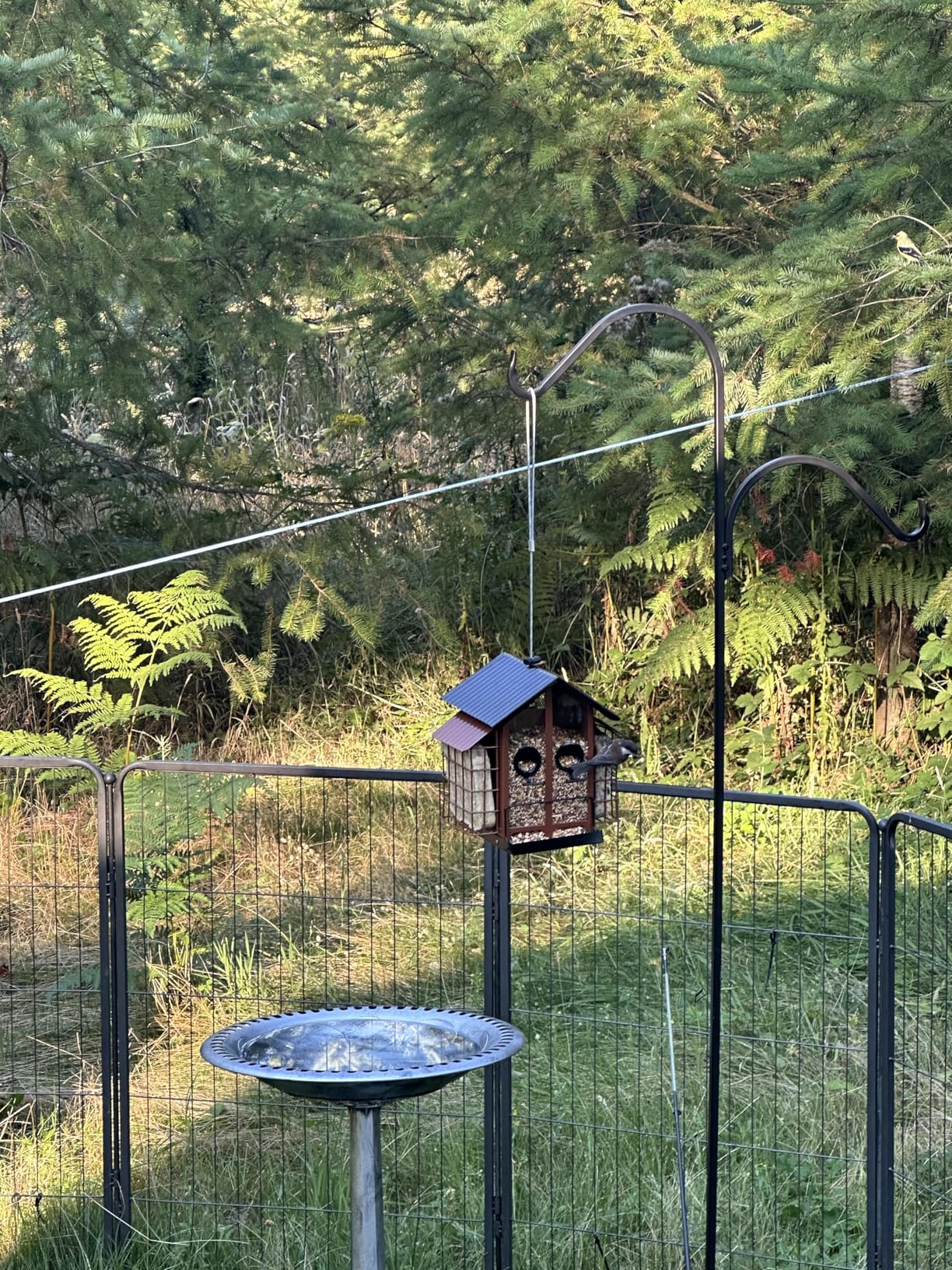
With the promotion of the Audubon Society's "Healthy Courtyard Promise", many households have started installing bird feeders, building artificial nests, and reducing pesticide use. These artificial updates are quickly accepted and utilized by birds. North American Cardinals establish a fixed feeding system and avoid human activity peaks in the early morning and evening; Swallows will choose eaves nest boxes built by humans to replace the original mud nest, which not only saves nest building energy but also improves the survival rate of young birds.
Birds exhibit a keen ability to avoid potential interference caused by human activities. In courtyards where lawns are frequently trimmed, nesting birds will choose their nest sites in dense branches at high altitudes, away from human activity areas; And Cooper eagles and other raptors use the fences in human courtyards as hiding points to ambush foraging rodents, forming a unique ecological niche that coexists with humans. It is worth noting that protected birds such as migratory thrushes make warning calls when humans approach their nests. This defensive behavior not only follows instinct, but also reduces risk due to increased human awareness of protection.
We recommend our Flowafoli bird feeder!