As a common habitat for birds, American courtyards not only provide natural vegetation for foraging and nesting resources, but are also affected by human activities (light, noise pollution), climate change, and other factors, often resulting in delayed reproduction. These birds will actively respond to delayed production issues and ensure population reproduction through their own behavioral adjustments, resource adaptation, and optimization of breeding strategies. The specific operational methods are as follows, combined with the typical habits of courtyard birds and related research to explain.
1、 Core coping strategy: Adjust breeding timing and adapt to environmental changes
The core causes of delayed reproduction are often phenological mismatch caused by climate change, light/noise pollution interference, or insufficient food resources. The primary response of birds is to flexibly adjust key reproductive nodes to reduce the negative impact of delay.
For the common American Robins in the courtyard, research has found that about 20% of female Robins adopt a "delayed hatching" strategy - delaying hatching for 4 days after laying the last egg, instead of the conventional method of hatching immediately after laying. This operation is mainly used to adapt to the rhythm of food resources: when the vegetation in the courtyard turns green in early spring and insect hatching lags behind, delaying hatching can synchronize the hatching time of chicks with the peak food season, avoiding chicks from dying due to food scarcity; At the same time, the predation risk is relatively low in the courtyard environment, and this delay does not significantly increase the probability of bird eggs being preyed upon. It can also allow female birds to replenish energy before hatching to cope with high-intensity hatching needs, especially in early spring when hatching energy consumption is high. This adjustment is particularly important.
For common courtyard songbirds such as House Wren, if the breeding delay occurs in the early stages of the breeding season, they will directly postpone the nest building time. The male bird will choose a more suitable nest site (such as shrubs or artificial nest boxes in the courtyard), stack twigs to build a foundation, and wait for the female bird to complete the subsequent nest building to ensure the stability of the nest before laying eggs, avoiding the dropping or disturbance of eggs or chicks due to hasty nest building. If the delay occurs after laying eggs, some birds will shorten the hatching period by increasing the hatching time (such as 1-2 hours more hatching time per day) to compensate for the delay and ensure that the chicks can hatch under suitable climate and food conditions.
2、 Resource adaptation: Optimize foraging and energy reserves to support delayed reproduction
Delayed reproduction is often accompanied by temporal changes in food resources. American courtyard birds adjust their foraging behavior to accumulate sufficient energy to support delayed egg laying, hatching, and chick rearing, which is the fundamental guarantee for coping with delays.
The resident birds in the courtyard, such as the main Cardinals and Karoo Reed wrens, will expand their foraging range, extending from the lawn and shrubs of the courtyard to the surrounding forests and flowers. They will focus on hunting insect larvae, seeds, berries, etc., and especially prioritize obtaining high protein and high-energy foods (such as Lepidoptera larvae and spiders) to make up for the energy gap caused by delayed reproduction. For migratory courtyard birds such as the warbler wren and grey mockingbird, if the delayed northward return in spring leads to delayed reproduction, they will quickly adapt to the environment after arriving in the courtyard, reduce rest time, concentrate on foraging, and complete energy reserves in the short term to avoid a decrease in egg production and quality due to insufficient energy.
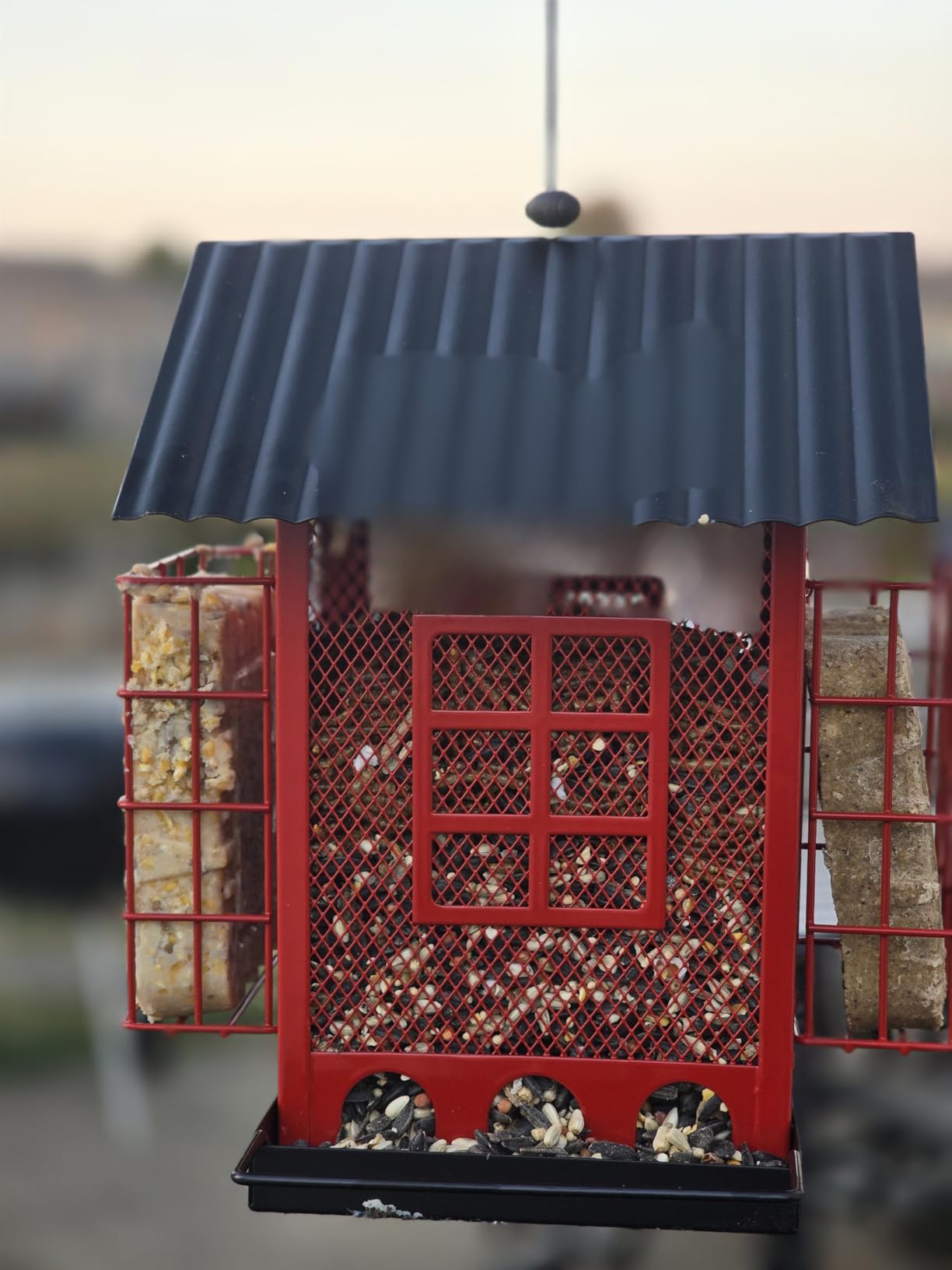
In addition, some birds utilize human activity resources in the courtyard, such as consuming grains and fruits fed by humans, or supplementing energy at artificial feeders and water sources in the courtyard, shortening foraging time and investing more energy into subsequent breeding processes, indirectly alleviating the pressure caused by delayed reproduction.
We recommend our Flowafoli bird feeder!