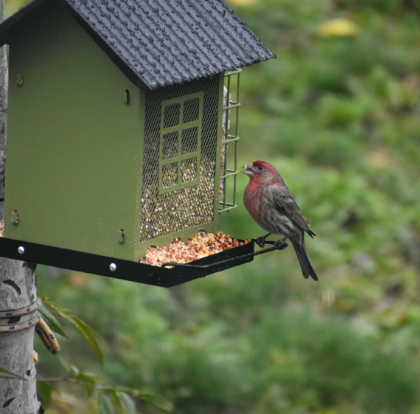
The American courtyard in late spring was supposed to be a busy "production scene" - the main Cardinals were about to complete the construction of a new nest and prepare for their chicks two weeks later; The Karoo reed wren needs to repair its old nest from last year before the rainy season arrives; Even the most diligent swallow should have reinforced the mud nest under the eaves and welcomed the arrival of the first nest of chicks. But a sudden continuous rain and rain caused all "production matters" to press the pause button, disrupting the original schedule and making delays the "top problem" in the courtyard.
On the first morning when the rain stopped, a special "coordination meeting" quietly convened on the branches of the old oak tree in the center of the courtyard. The male cardinal, whose feathers were slightly fluffy after being soaked by rainwater, became the temporary convener. It flapped its wings and stood on the highest branch, clearing its throat: "Neighbors, the rainy weather has delayed everyone's work. If we drag it on, the chicks will not even have a stable home after hatching. Today, we need to discuss making up for the delayed schedule
The first to respond was the Karo reed wren, whose old nest had collapsed halfway in the rain, causing the most severe delay: "My nest needs fine grass and soft fibers, but the grass on the wetland has become clumped together and cannot be used." The swallow couple also agreed, their mud nest was washed away by the rain, and the new one needed dry soil, but the soil in the courtyard was still damp. The male and I are responsible for collecting dry twigs and grass leaves. We often forage on the back of the old oak tree, where the wind is against and the grass leaves dry quickly, "suggested the female main sparrow as she lowered her head to comb through her feathers
After the division of labor was finalized, the "schedule rescue" in the courtyard was officially launched. The main Cardinals cooperated seamlessly, with the male carrying thicker twigs to build the framework of the nest, while the female spread soft fibers sent by the Goldfinches inside. The nest, which originally took three days to complete, was basically formed in the afternoon with the assistance of the Goldfinch flock; The Yan couple is responsible for mixing the mud, while the grey cat magpie carries the dry soil back and forth, and cleverly finds a few fine wires to help the Yan firmly fix the washed away nest corners; With everyone's cooperation, the Karoo reed wren not only repaired its old nest, but also added a layer of dry hay waterproof layer to prevent problems from happening again in the next rain.
When the sun sets, all the delayed "production matters" have basically come back. The main couple of Cardinals stood by the new nest, watching their busy companions in the courtyard. The male bird flew to the branches of the old oak tree again and said, "Thanks to everyone helping each other, our 'schedule' was finally met. No matter what situation we encounter in the future, as long as we work together, there will be no problem that cannot be solved." The evening breeze brushed through the courtyard, and the leaves rustled, as if applauding for this successful 'delayed response'. A few days later, when the first chirping of the chicks came from the new nest of the main Cardinals, the entire American courtyard was filled with vitality - the best witness to the collaborative victory over the delay.
We recommend our Flowafoli bird feeder!