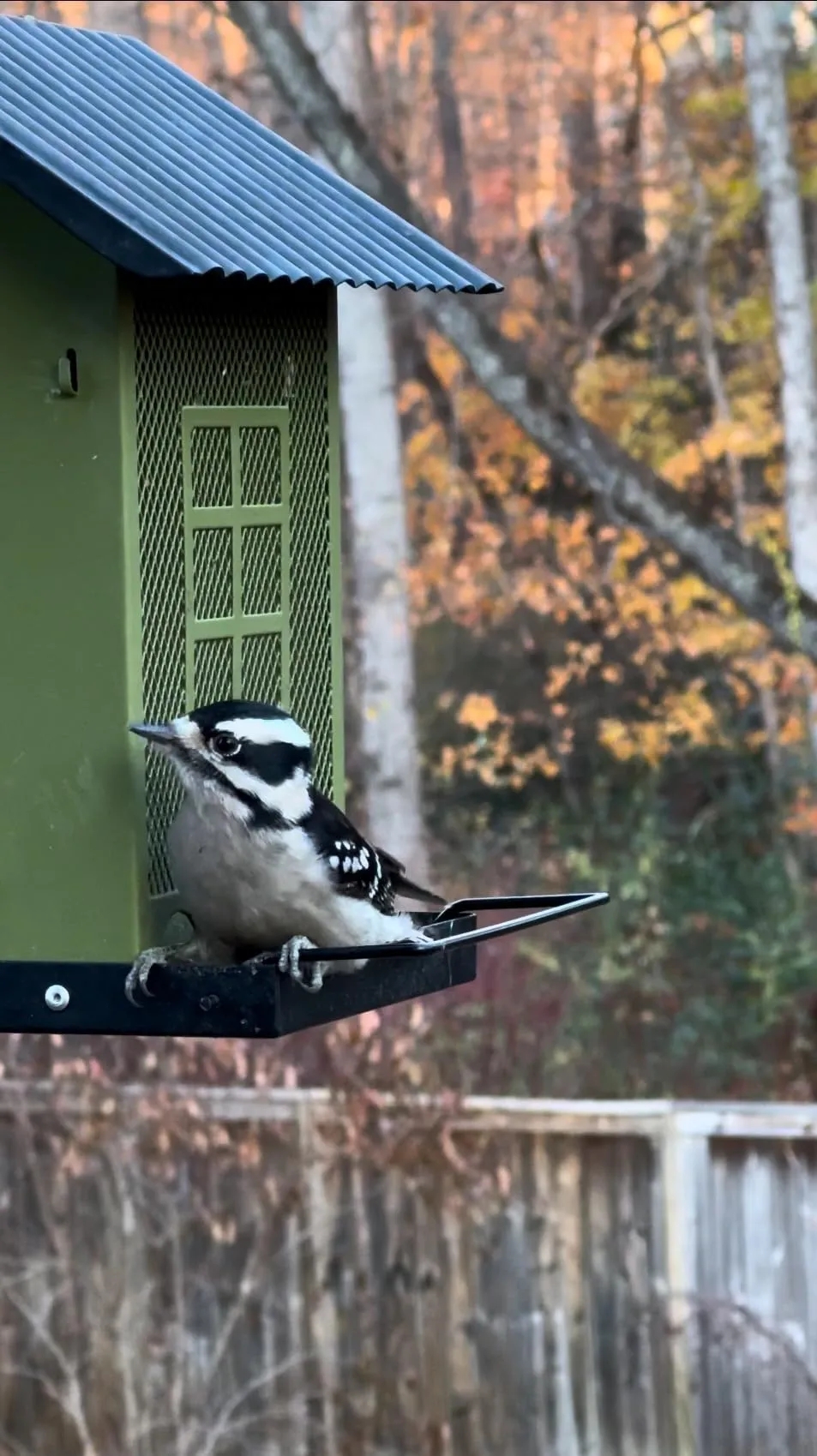
As a habitat that interweaves artificial and natural elements, the recent discomfort faced by birds in the American courtyard is mostly related to climate fluctuations (such as extreme temperature differences and precipitation changes) and changes in the habitat microenvironment (such as human activity interference and food resource fluctuations). Faced with these challenges, common birds in the courtyard have developed a highly adaptable survival strategy through precise physiological regulation, flexible behavioral adjustment, and efficient resource utilization ability. From South American thrushes to North American cardinals, from domestic swallows to endangered parrots, they have all demonstrated unique adaptive intelligence.
1、 Physiological level: precise regulation to resist environmental stress
Extreme temperatures have been one of the main sources of discomfort faced by birds in many parts of the Americas in recent times, and birds have evolved sophisticated physiological adaptation mechanisms for this. Taking resident birds such as the North American Cardinals and Home Sparrows as examples, they generally have a "reverse flow heat exchange system" as a thermal insulation technology - the leg arteries and venous blood vessels are arranged side by side in reverse, and the heat of arterial blood can be efficiently transferred to the returning venous blood, which not only reduces foot temperature to reduce heat loss, but also ensures stable core body temperature. This mechanism allows birds to stand barefoot in snow without freezing their feet, as their feet have almost no muscles and a lot of water, very few nerve endings, and strong frost resistance.
In response to the recent abnormal precipitation in some areas, many courtyard birds will also adjust their metabolic efficiency to cope. South American thrushes such as Turdus amaurochalinus regulate their water metabolism according to seasonal precipitation changes, and their distribution range gradually shifts towards areas with less precipitation, reducing problems such as feather moisture and body temperature loss caused by humid environments. The American goldfinch, on the other hand, optimizes its feather structure during the molting period and replaces it with denser brown feathers in winter to enhance its waterproof and insulation properties, and resist the discomfort of cold and damp weather.
2、 Behavioral level: flexible adjustment, adapting to environmental changes
In terms of behavioral adjustment, birds exhibit a high degree of flexibility in their coping strategies. Facing the discomfort of low temperatures, standing on one foot is the most common energy-saving and cold keeping behavior of courtyard birds - folding one foot and hiding it in a feather to keep warm, alternately supporting the body to reduce heat loss. Some small birds, such as the American sparrow, also live in groups in tree holes and nest boxes in the courtyard, using each other's body temperature to resist the cold. The North American Cardinals reduce their activity frequency and concentrate on living in the leeward areas of tall shrubs or trees in the courtyard to minimize discomfort caused by cold winds.
Different bird species exhibit differentiated responses to disturbances and discomfort caused by human activities. Species such as the Purple Swallow have fully adapted to human built environments, abandoning their natural habitats and relying on bird houses constructed by humans for reproduction. They even allow humans to have close contact with young birds, reducing discomfort caused by environmental disturbances through symbiosis with humans. And the swallow will cleverly use the porch, under the bridge and other sheltered areas in the courtyard to build nests, using human buildings to avoid wind, rain and natural enemies. At the same time, it will adjust its activity time to avoid going out to forage during peak human activity periods and reduce interference.
We recommend our Flowafoli bird feeder!