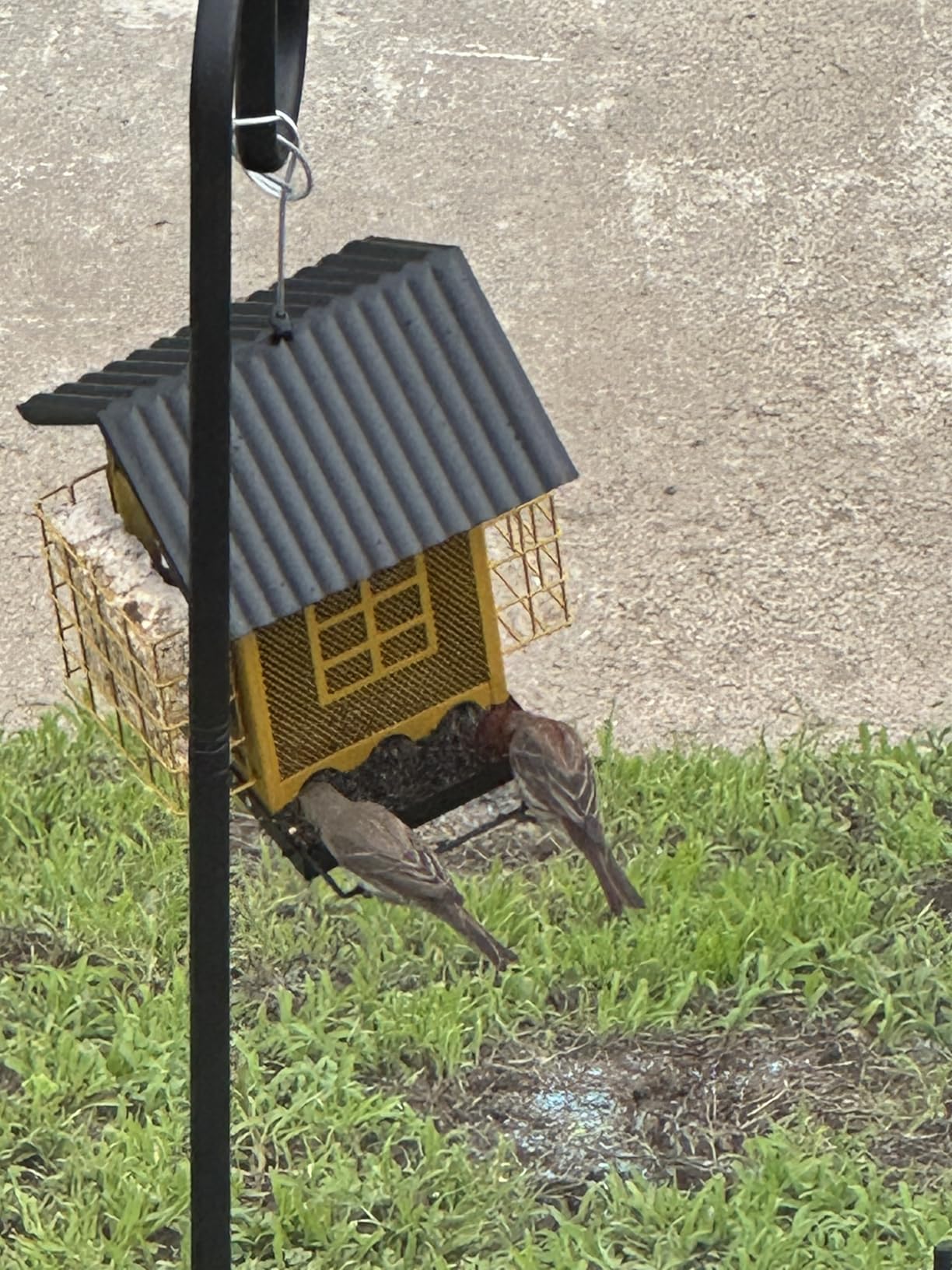
As a common habitat for various bird species, the American courtyard uses a combination of survival strategies to regulate body temperature and avoid extreme heat during the midday heat period. These strategies cover multiple aspects such as behavioral adjustment, physiological adaptation, and habitat selection, reflecting the unique adaptability of species and clever interaction with the courtyard environment. The following is a detailed explanation of specific coping strategies:
1、 Behavioral rhythm adjustment: Avoid activities during high temperature periods
This is one of the core coping strategies of courtyard birds in the Americas. Due to direct sunlight at noon and a sudden rise in surface temperature, most birds will actively change their activity rhythm and enter a "summer retreat period".
Specifically, birds tend to concentrate their core activities such as foraging, mating, and raising chicks between 6-9am in the morning and after 4pm in the evening. These two periods have lower temperatures and humid air, making them more suitable for energy consumption. During the high temperature period from 11pm to 3pm, they will reduce vigorous activities such as flying and jumping, and mostly remain in a stationary or slow moving state. Some species such as the American mockingbird and the main Cardinals will also take a brief "nap" to reduce metabolic rate and heat production. This "off peak activity" pattern can minimize the stress of high temperature environment on the body and is the most direct and effective way for birds to cope with extreme heat.
2、 Habitat selection: Lock in the 'cool shelter' within the courtyard
The vegetation, water sources, and other environmental elements in the American courtyard provide a natural summer retreat for birds, who choose the most suitable cool area to rest in according to their own habits.
The preferred area is dense shaded areas, especially the lower canopy of tall trees such as oak and maple, and the corners of shrubs such as holly and rhododendron clusters. These places can effectively block direct sunlight and create a locally cool microclimate. Research has found that the temperature under the shade of trees is usually 5-8 ℃ lower than that under direct sunlight, and the ventilation is good, making it the most common area for birds to gather at noon. For nest building birds, it is preferred to choose nests in shaded areas. Some species, such as the brown stove bird, have unique mud nests with thick mud walls and hemispherical structures. Even if the external temperature exceeds 35 ℃, the nest can still maintain a cool temperature of around 25 ℃, making it a natural "constant temperature room".
The area near the water source is also an important summer retreat for birds. The bird bath tub, small fountain, pond edge in the courtyard, as well as the surrounding streams and wetlands, not only provide drinking water, but also allow birds to cool down by coming into contact with water, becoming a "cool oasis" during high temperature periods. It is worth noting that birds tend to choose bird baths placed under the shade of trees to avoid rising water temperatures due to exposure to sunlight. At the same time, the surrounding vegetation can provide them with a sense of security and prevent them from encountering predators when drinking or bathing.
3、 Physiological adaptation: Activate the 'natural cooling system'
Birds do not have sweat glands and cannot cool down through sweating, so they have evolved various unique physiological mechanisms to cope with high temperatures, which are fully activated during the hot midday period.
The most common ones are airbag heat dissipation and mouth breathing. The airbag system of birds is not only used for flight, but also assists in regulating body temperature. At high temperatures, birds will open their mouths, stretch their necks, and breathe quickly, allowing air to circulate in the air sacs. Through the evaporation of moisture from the respiratory mucosa, the body's heat is carried away, similar to the "sweating" effect of humans. Some species, such as mourning doves and owls, also perform "regular flapping", which rapidly vibrates the moist mucosa of the throat to accelerate water evaporation, resulting in higher heat dissipation efficiency than simply gasping for breath. This is particularly common in nocturnal carnivorous birds.
Next is feather and limb regulation. Birds will fluffy their feathers to form an air insulation layer, reducing the conduction of external heat; At the same time, it will stretch its wings, increase the surface area of the body, allow airflow to quickly flow through the skin surface, and accelerate heat dissipation. For long legged birds such as herons and egrets, as well as common plovers in the yard, they dissipate heat through exposed leg skin. Some species even excrete urine on their legs through urohidosis, using urine evaporation to further lower body temperature. This unique physiological adaptation can significantly improve cooling effects in high temperature environments.
In addition, water and energy management are also important physiological strategies. During high temperature periods, birds will increase their water intake to replenish the water lost due to evaporation and heat dissipation, and avoid dehydration; At the same time, it will reduce the intake of high protein and high calorie foods, and prioritize foods with high moisture content such as berries and seeds. This not only reduces the heat production during digestion, but also replenishes water through food, achieving a win-win situation of "cooling and hydration".
We recommend our Flowafoli bird feeder!