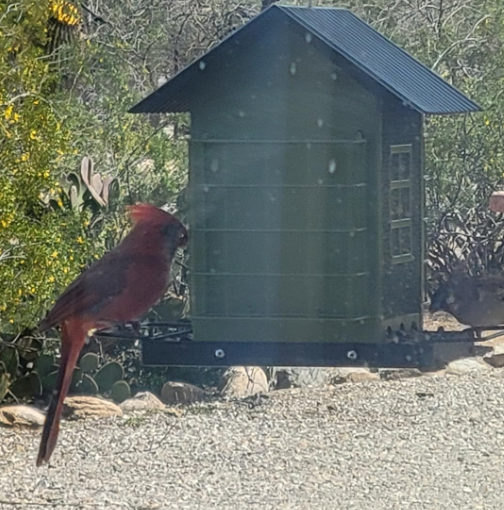
In long-term natural selection, courtyard birds have formed an "built-in system" to resist diseases, which includes both innate immune traits and flexible behavioral adjustments, becoming their first line of defense for survival.
1. Precise activation of immune mechanisms
The immune system of birds exhibits amazing adaptability, and some species can even activate defense in advance through visual cues. Scientists have found in canary research that when healthy individuals observe symptoms such as conjunctivitis and drowsiness in their infected companions, their CH50 complement activity and eosinophil count in their bodies will significantly increase, and their immune system will enter a "watchful state". This "bystander immunity" mechanism allows them to prepare for defense even before infection.
There are significant differences in innate immune abilities among different species, which directly affect their disease resistance. In the Salmonella outbreak, the killing ability of the domestic sparrow against Salmonella is almost twice that of the sparrow, and far exceeds that of the American goldfinch. This constitutional innate immune advantage makes its mortality rate significantly lower during disease outbreaks. Although the peach faced love bird carries a high infection rate (68.1%) of parrot beak feather disease virus, some individuals have adapted through virus lineage differentiation and achieved coexistence with pathogens.
2. Active avoidance of behavioral patterns
When disease signals appear, birds quickly adjust their behavior patterns by reducing contact and optimizing habitat to reduce the risk of infection. Similar to humans resting in bed after illness, birds actively hide in bushes when they experience discomfort, reducing their activity to conserve energy and avoid becoming targets of predators due to exposure. This kind of "active isolation" behavior is particularly evident in social birds, where domestic sparrows deliberately keep a distance from their diseased counterparts with swollen eyes and messy feathers to avoid cluster infections.
The adjustment of foraging and drinking behavior is equally crucial. During periods of high disease incidence, backyard birds will reduce their gathering time in artificial feeders and instead choose dispersed natural food sources. Research has observed that thrushes and blue jays avoid feeding platforms contaminated with feces and prioritize feeding on scattered seeds on the ground. This instinctive avoidance of polluted environments effectively reduces the probability of pathogen transmission through contact.
We recommend our Flowafoli bird feeder!