In courtyards across the Americas, birds such as sparrows, main cardinals, and blue jays are familiar neighbors to humans. These small organisms face multiple health threats such as parasite infestation, food poisoning, and traumatic infections, but have evolved an efficient "self-help system". Their coping strategies include both innate physiological instincts and acquired adaptive behaviors, jointly supporting the population's continuation in the game against diseases.
1、 Basic Defense: Immediate Activation of Physiological Instincts
When discomfort signals appear in the body, birds' first response is often to activate their innate physiological defense mechanisms, which are their "first line of defense" in dealing with health crises. Thermoregulation is one of the most typical immediate responses - many backyard birds such as the Karoo reed wren actively raise their body temperature in the early stages of bacterial or viral infection, suppressing pathogen reproduction through "fever". This behavior is similar to the human fever mechanism. Studies have shown that when the body temperature of wrens increases from the normal 41 ℃ to 43 ℃, the replication efficiency of certain viruses in their bodies decreases by more than 60%.
Feather care is a daily measure to prevent and alleviate discomfort. When the American goldfinch detects the presence of feather lice parasitizing under its feathers, it will peck and bite the affected area with its beak and secrete special tail fat gland oil to spread throughout its body. This oil not only repairs feather structure, but also contains antibacterial ingredients that can inhibit parasitic activity. For skin itching caused by minor trauma, the main Cardinals will frequently shake their bodies, comb their feathers, reduce inflammatory reactions through physical friction, and avoid contamination of the wound by foreign objects.
2、 Behavioral adjustment: a survival strategy for actively avoiding risks
When physiological defenses are insufficient to alleviate discomfort, birds will reduce energy consumption and improve recovery efficiency by changing their behavioral patterns. The most common strategy is "resting quietly" - when the usually active blue Jay experiences symptoms such as diarrhea and mental exhaustion, it will choose hidden branches or shrubs in the courtyard, shrink its body and reduce activity. This "energy-saving mode" can concentrate the body's energy on the operation of the immune system. It has been observed that sick birds in a resting state have a 30% faster proliferation rate of immune cells in their bodies than those in an active state.
Dietary adjustments are another key coping strategy. Many courtyard birds have the ability to recognize "medicinal plants": when the American mockingbird experiences gastrointestinal discomfort due to ingesting poisonous berries, it will actively peck at the common cowpea leaves in the courtyard. The phenolic compounds contained in Niuzhi can alleviate gastrointestinal spasms, and its antibacterial properties can also prevent secondary infections; And when sparrows encounter respiratory discomfort, they will frequently peck at the tender leaves of mint, using the volatile oil components to soothe the respiratory mucosa.
Avoiding populations is also an important self-protection behavior. Healthy birds usually flock together to reduce predation risks, but when the thrushes in the yard show obvious discomfort symptoms such as feather shedding and slow movement, they will actively stay away from the flock and live alone in hidden places at the edge of the yard. This behavior can not only avoid spreading pathogens to the same species, but also reduce the probability of becoming a target of predators due to their own mobility difficulties. It is a "altruistic and egoistic" balance strategy formed by birds in long-term evolution.
3、 Environmental utilization: Utilizing courtyard resources to accelerate recovery
The special environment of human courtyards provides unique recovery resources for sick birds, and birds demonstrate amazing adaptability in utilizing these resources. The use of water is the most intuitive example: when birds experience skin inflammation due to parasite bites or injuries, they will frequently go to the water basin or sprinkler in the courtyard to rinse the affected area with clean water. For discomfort caused by heatstroke or dehydration, they immerse their bodies in shallow water to dissipate heat and replenish moisture through their skin, quickly relieving symptoms. Research has shown that during high temperatures in summer, the main Cardinals who show signs of heatstroke can drop their body temperature by 2-3 ℃ and improve their mental state after soaking in water for 10 minutes.
The soil and sand in the courtyard have also become the "natural medicine box" for birds. Many birds, such as the North American Cardinals, will peck at small amounts of fine sand or gravel when experiencing indigestion. These "stomach stones" can help grind difficult to digest food and reduce gastrointestinal burden; When encountering fungal infections, some sparrows will take a "sand bath" in the dry sandy soil in the courtyard, using the adsorption of sand to remove fungal spores from their feathers. At the same time, the dry environment can inhibit fungal reproduction.
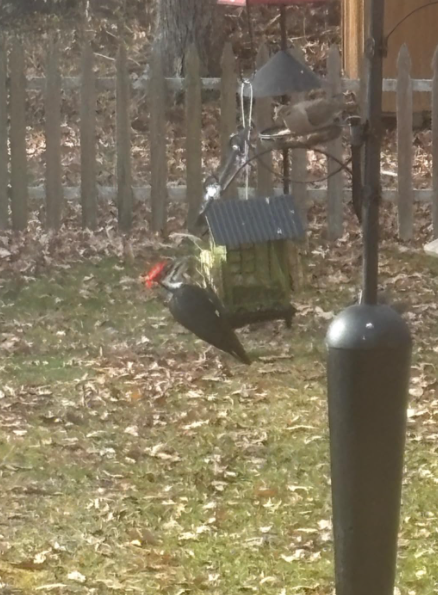
The unexpected assistance of artificial facilities cannot be ignored. The bird feeders and bird houses set up by humans in the courtyard play an important role in the recovery process of sick birds. When birds are weak and unable to forage at long distances, bird feeders filled with grains and seeds provide them with a convenient source of energy; The enclosed bird house becomes a "safe house" for sick birds to avoid wind, rain, and predators, increasing their survival probability during the recovery period.
We recommend our bird Flowafoli feeder!