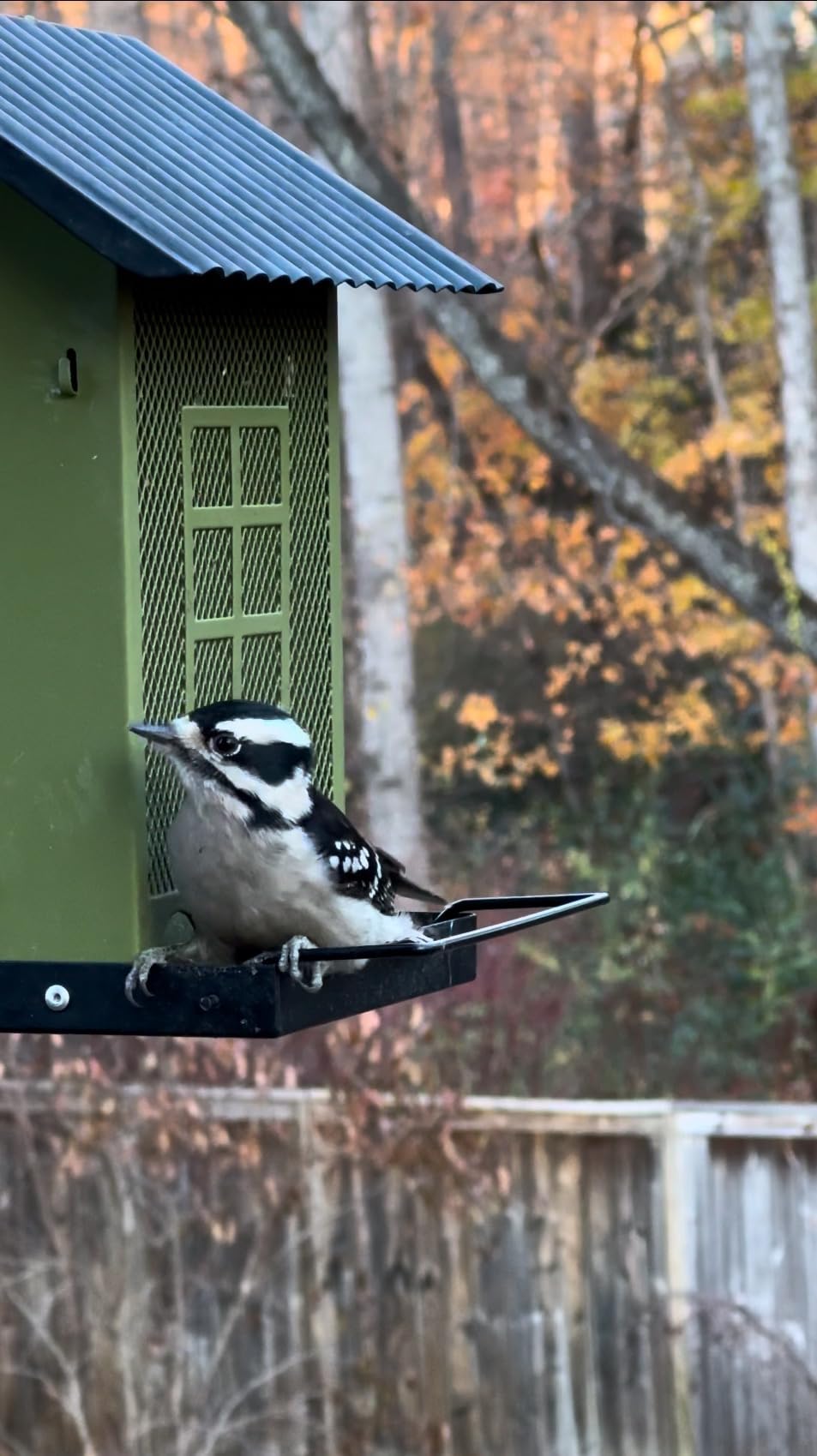
As a semi artificial habitat for frequent bird activity, the American courtyard provides them with food, water sources, and habitats, but also comes with many challenges such as human interference, natural enemy threats, food shortages, competition among species, extreme weather, etc., all of which can cause stress reactions in birds. Unlike human "psychological regulation", the essence of bird "mentality regulation" is to quickly relieve stress and restore survival stability through physiological regulation, behavioral adaptation, and social cooperation. It is a survival wisdom formed in long-term evolution, which can be divided into the following categories, and is easier to understand by combining common bird cases in American gardens.
1、 Physiological level: Quickly initiate stress regulation and calm emotional fluctuations
When birds face difficulties, their primary response is to quickly reduce the physiological impact of stress through endocrine and neural regulation, which is equivalent to "quickly calming the mind" and laying the foundation for subsequent coping behaviors. This process mainly relies on the activation of the hypothalamic pituitary adrenal axis (HPA axis) and the regulation of neurotransmitters, which is the core physiological basis for birds to cope with distress.
When birds in American courtyards, such as American mockingbirds and blue jays, encounter sudden distress - such as being chased by pet cats in the courtyard or suddenly disturbed by humans - they will instantly trigger a stress response: the adrenal glands secrete corticosterone (the main stress hormone in birds), which can quickly adjust the body's state, such as accelerating energy metabolism, increasing alertness, and inhibiting physiological activities unrelated to stress (such as reproduction and foraging), allowing the body to concentrate energy to cope with threats. At the same time, neurotransmitters work synergistically: serotonin regulates emotional homeostasis and reduces anxiety; Norepinephrine enhances alertness, helps birds quickly perceive changes in the surrounding environment, and avoids secondary hazards; Dopamine participates in the reward mechanism, guiding birds to actively seek safe areas or food, and alleviating negative states caused by stress.
This physiological regulation has the characteristics of "quick start and timely resolution": when troubles disappear (such as pet cats leaving or humans staying away), cortisol levels will rapidly decrease, neurotransmitters will restore balance, and birds can quickly calm down from their tense state, resume normal foraging and habitat behavior, and avoid long-term stress damage to the body - for example, long-term high cortisol levels can lead to weakened immunity and reduced reproductive ability, and this rapid regulation ability is the physiological guarantee for birds' "psychological adaptation".
2、 Behavioral level: Proactively adapting and avoiding, reducing the impact of troubles
If physiological regulation is called "internal calming", behavioral regulation is the "external action" of birds actively responding to troubles, by changing their own behavior patterns, avoiding risks, and relieving stress. Essentially, it is "adjusting the coping mentality", shifting from "passive acceptance" to "active adaptation". The behavioral adjustments of courtyard birds in the Americas are mainly divided into the following categories:
1. Avoidance and evacuation: Stay away from the source of trouble in a timely manner and reduce negative stimuli
This is the most direct way of coping. Birds will make quick judgments and actively stay away from scenes or things that are troubling them, avoiding stress escalation. For example, frequent noise in the courtyard (such as lawn mowers, children playing around), and continuous human interference can cause sensitive American mockingbirds and main Cardinals to temporarily evacuate and fly to the bushes and tall trees at the edge of the courtyard until the interference disappears before returning to forage and inhabit; If natural enemies (such as the Red tailed Eagle and Cooper Eagle) appear in the courtyard, the birds will immediately stop moving, either remain still and hide themselves, or quickly fly towards the dense branches and leaves. By "escaping" and "hiding", they can reduce the fear and stress caused by natural enemies and calm their tense state.
For long-term troubles (such as fixed pet activity areas in the courtyard), birds will adjust their activity time - for example, birds that were originally foraging during the day will come out in the early morning or evening when human and pet activities decrease. Through time avoidance, they reduce contact with the source of trouble, lower stress frequency, and gradually adapt to the rhythm of the courtyard environment.
2. Defense and deterrence: Proactively responding to threats and rebuilding a sense of security
When the source of distress cannot be avoided (especially during the breeding season when birds need to guard their nests and chicks), birds in American courtyards will take proactive defensive actions to deter the source of distress, alleviate their own tension and anxiety, and rebuild a safe environment. For example, birds such as the Northern Mocking Thrush and the Red shouldered Eagle, during their breeding season (January August), if they find humans or pets approaching their nests, they will show obvious aggression: loudly chirping (high-frequency, sharp calls), fluffy feathers make themselves look bigger and more intimidating, and even dive and pounce on intruders until they move away from the nest.
This defensive behavior is not "active provocation", but a way for birds to protect their offspring and alleviate "survival anxiety" - by actively deterring, keeping the source of trouble away, reducing threats to themselves and their offspring, thus calming their tense mentality, and focusing on breeding and raising chicks. In addition, some bird species (such as blue jays) use group defense, where several birds sing and dive together to enhance their deterrent power. At the same time, group cooperation can also reduce individual stress and make their "coping mentality" more stable.
We recommend our Flowafoli bird feeder!