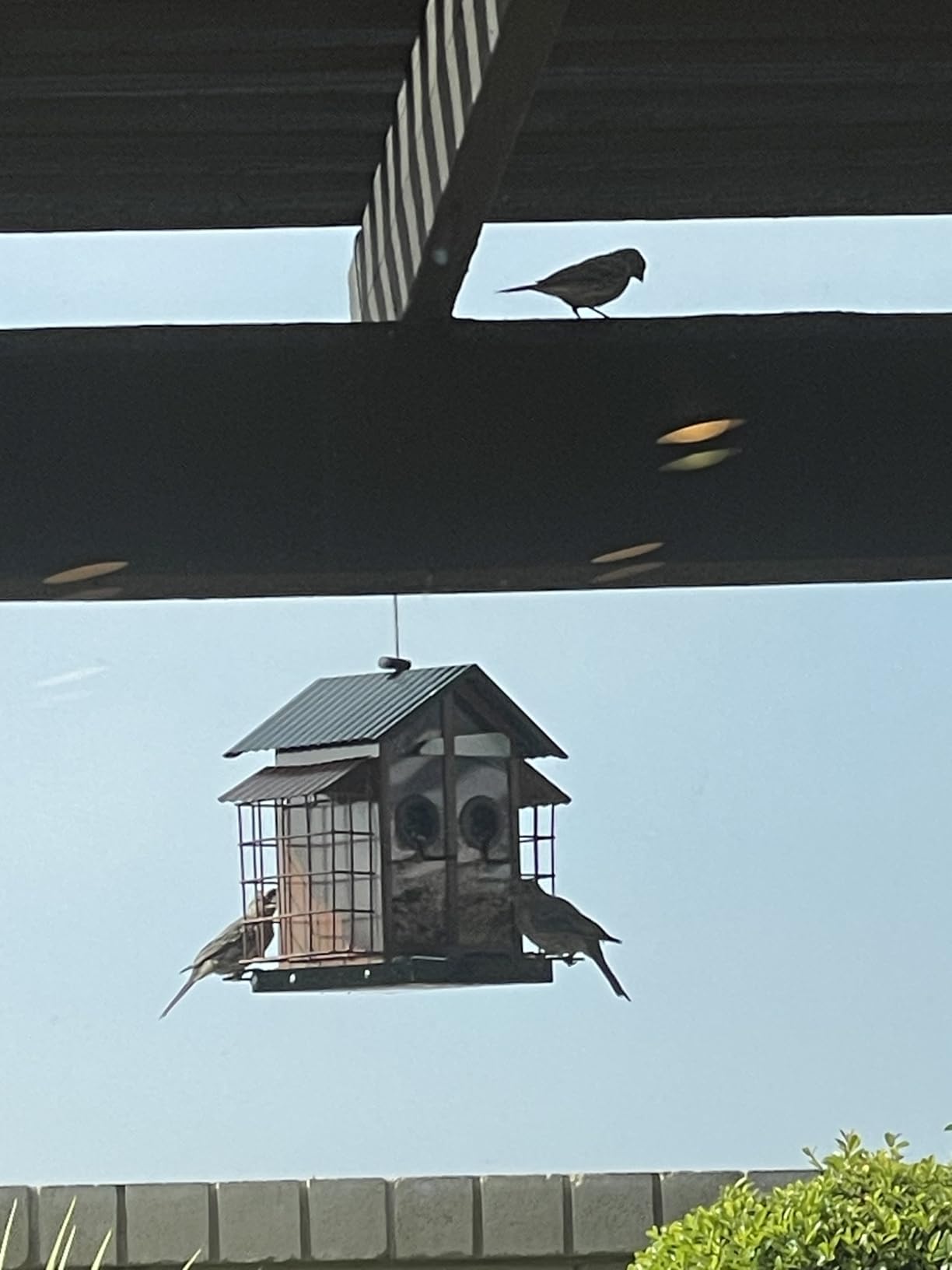
1、 Reconstruction of daily rhythms dominated by light pollution
Artificial light sources have become the most critical variable in reshaping the sleep patterns of courtyard birds, with their impact exhibiting characteristics of "extended duration over time+species differentiation response":
The general extension of activity time
A study covering over 500 species of birds worldwide shows that courtyard birds in the Americas are affected by streetlights, building lighting, and other factors, resulting in an extension of their daily activity time by about 50 minutes - starting their calls 20 minutes earlier in the morning and stopping their activity 30 minutes later in the evening. In urban areas with severe light pollution, American mockingbirds can even start singing two hours before sunrise, which is equivalent to almost doubling their biological clock.
Significant differentiation of species sensitivity
This adjustment is directly related to the physiological characteristics of birds:
Highly sensitive populations: Species with larger eyes, such as the American mockingbird, Northern mockingbird, and North American Cardinals, are more sensitive to low light signals and have significantly longer activity times than the average level;
Low sensitivity groups: Birds with smaller eyes such as the tufted tit and the white breasted sparrow, or species that inhabit enclosed spaces such as tree holes, are only affected by one-third of their daily routine due to light blocking effects.
2、 Seasonal strategy adjustment driven by climate change
The rise in temperature and changes in precipitation patterns force birds to make adaptive adjustments in their migration and reproductive cycles
The shift towards "settlement" in migration behavior
Due to the rising temperature in winter habitats, more and more courtyard birds are abandoning their traditional southward migration mode. For example, species such as the brown mockingbird have seen a 40% increase in the proportion of individuals stranded in temperate North America during winter compared to 20 years ago. Their daily activity rhythm has shifted from "seasonal migration" to "year-round residency", compensating for energy needs by extending local foraging time.
Early reproductive cycle and mismatch risk
Light pollution and climate warming form a 'superposition effect':
In an open courtyard environment, birds nest one month earlier than in their natural state; Garden birds on the edge of the forest are 18 days ahead of schedule, and species such as the white breasted oak even use light signals to initiate breeding programs in advance;
But this adjustment has hidden dangers: if the chicks hatch earlier than the peak period of fruit maturity and insect activity, it will lead to a 15% -20% decrease in survival rate, and birds that adhere to traditional breeding periods will also face food shortages.
3、 Ecological cost and adaptive potential of daily routine adjustment
The behavioral changes of birds are a double-edged sword:
Potential benefits
An additional 50 minutes of activity time provides more foraging opportunities for some species. For example, when the Northern Mockingbird captures nocturnal insects during extended periods of dawn and dusk, its juvenile weight increases by an average of 8% compared to rural populations, and the reproductive success rate increases by 12%.
Hidden risk
Sleep deprivation may weaken immune function: Research suggests that American mockingbirds with long-term sleep disturbances have a 27% higher parasitic infection rate than their natural state;
Loss of migration synchronicity: Although species such as the blue winged warbler alleviate the impact of a 1.9 ° C warming by migrating northward, the differences in individual migration time within the population widen, leading to dispersed breeding periods and decreased gene exchange efficiency.
4、 Unique adaptation cases in courtyard microenvironment
The urban adaptors of "dual sleep schedule": North American Cardinals form a "morning and dusk active+noon hibernation" mode in courtyards with severe light pollution, using lighting to prolong foraging and avoiding high temperatures through lunch breaks;
Conservatists sheltered by tree holes: Carolina tits rely on the tree holes of courtyard trees to build their nests, and the light barrier causes their daily fluctuations to be only 1/5 of those of outdoor birds, making them one of the few species that have not significantly changed their rhythms.
We recommend our bird feeder!