The diverse response mechanisms of courtyard birds in the Americas to human behavior
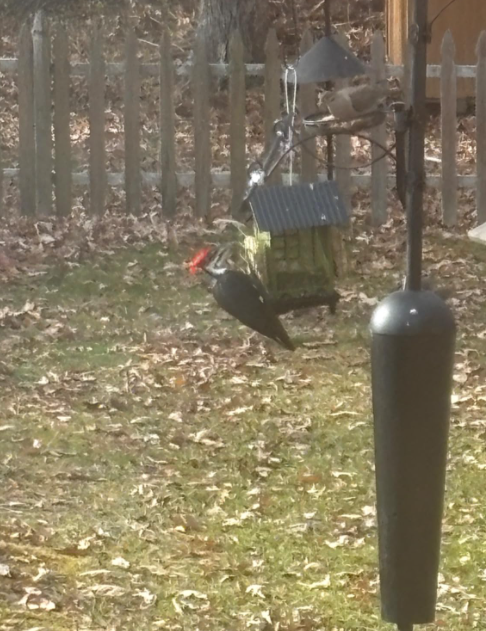
In residential courtyards in the Americas, birds have formed close and complex interactions with humans. These feathered elves have developed a series of precise response patterns, such as adjusting foraging strategies, relocating nesting sites, and switching alert levels, based on their evolved keen perception and behavioral adaptability to various human behaviors such as feeding, building renovation, daily activities, and waste disposal. These patterns form a unique courtyard ecological interaction landscape.
1、 Graded response to human feeding behavior: from probing to dependence
Human feeding behavior is the most easily perceived intervention method for courtyard birds, and different feeding frequencies, food types, and feeding habits can trigger vastly different behavioral responses in birds.
(1) Low frequency random feeding: vigilance probing and opportunistic feeding
When humans occasionally place breadcrumbs, grains, and other food in the courtyard, birds will initiate a three-level reaction chain of "long-distance observation short distance probing rapid feeding". Taking the Northern Cardinals as an example, they first stop on a branch 5-8 meters away and observe human movements by frequently turning their heads. After confirming that there is no threat, the male bird will fly to the food area first, peck at it, and immediately retreat to a safe area. After 2-3 repetitions, the female bird will join in feeding. This reaction ensures both feeding opportunities and minimizes risks, making it a typical opportunistic survival strategy.
(2) Fixed frequency feeding: behavioral domestication and population aggregation
If humans feed at fixed times and locations every day, birds will gradually develop conditioned behavioral adaptation. Blue Jays will gather on the trees around the yard 10-15 minutes before feeding time, emitting short "jay jay" calls to transmit signals; The American Robin, on the other hand, jumps and waits directly on the lawn near the feeding point. Long term regular feeding can also cause changes in population structure. The population density of House Sparrow in the courtyard may increase by more than 30%, and the proportion of young birds may increase - because a stable food source reduces the foraging pressure on parent birds and increases the success rate of reproduction.
(3) Feeding special foods: species-specific selection and skill development
When humans provide specialized foods such as nuts, berries, and insects, birds exhibit species-specific responsiveness. The Black crowned Chickadee will use its beak to pick up nuts and fly to the trunk, repeatedly pecking and chiseling them open; The Northern Mockingbird, on the other hand, prefers to eat berries and stores the uneaten fruits in the leaf litter. Further research has found that birds that receive long-term human feeding have significantly higher beak strength and flexibility than wild populations, forming targeted physiological behavioral adaptations.
We recommend our Flowafoli bird feeder!