The birds in American courtyards, with their unique ecological habits, color patterns, and behavioral patterns, have endowed human viewing activities with many specific and irreplaceable values. These values are rooted in the wonders of natural ecology and deeply integrated into regional culture and emotional connections.
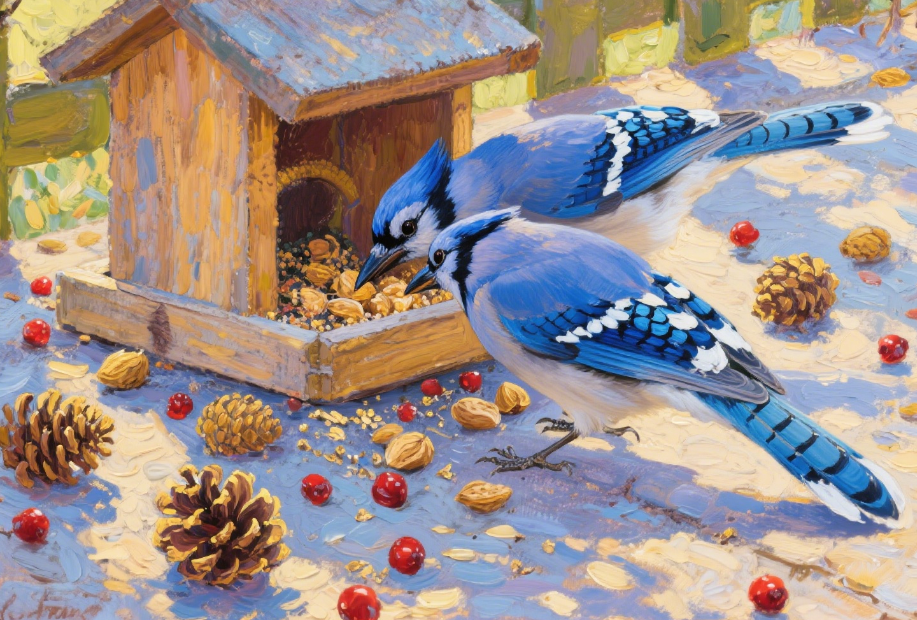
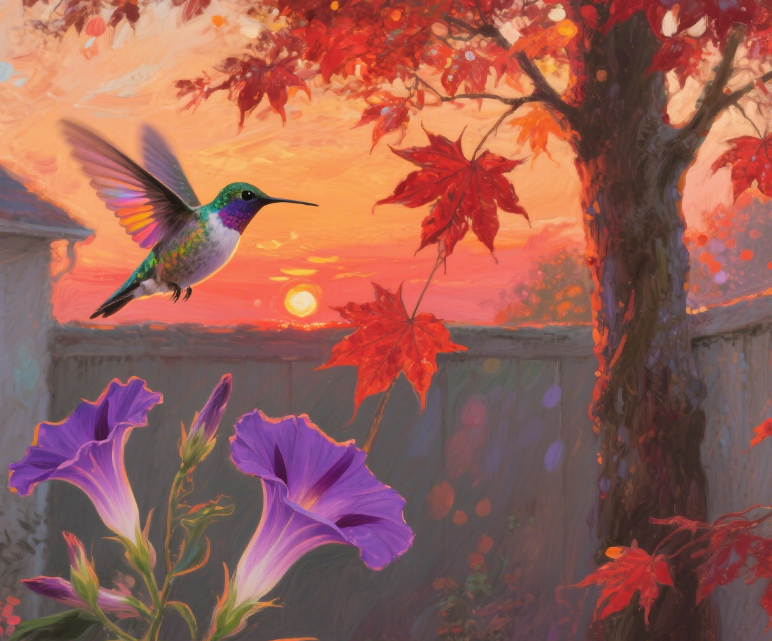
From the perspective of the uniqueness of visual aesthetics, birds in American courtyards exhibit highly regionally recognizable colors and forms. For example, the fiery crimson feathers of the North American Cardinals create a strong visual impact against the white snow in winter courtyards, becoming a iconic image for countless birdwatchers; The sapphire blue wings and black crest of the blue Jay shuttle through the green leaves like flowing gems, and its color saturation and matching are natural arts that are difficult to replicate in artificial landscapes. In addition, the miniature body of hummingbirds and the dynamic beauty of rapid flapping of their wings are particularly unique - the moment they hover in front of garden flowers, the fuzzy halo generated by the flapping of their wings, and the precise movement of their slender beaks sucking nectar constitute the "dynamic macro aesthetics". This visual experience that perfectly blends strength and lightness can only be stably observed in specific habitats of American gardens.
At the level of interactive value in behavioral viewing, American courtyard birds have formed a subtle "symbiotic viewing relationship" with human activities. Unlike wild birds who are wary and distant, courtyard birds exhibit a richer range of near human behaviors due to their long-term adaptation to the living environment. Swallows build nests under the eaves, allowing humans to observe up close the entire process of carrying mud and raising chicks; Mocking thrushes will imitate the sounds of other birds and even human life (such as phone ringtones) on the fence in the courtyard, and this "bird imitation show" has become an unexpected pleasure for birdwatchers. What is even more distinctive is that many courtyard birds form a "timed appearance" pattern - the mockingbird in the morning waits for humans to drop food next to the feeder, and the mourning dove in the evening walks and eats on the lawn. This predictable behavior pattern allows viewers to establish a "daily observation ritual", as if they have reached a silent agreement with the birds.
From the perspective of emotional connection of cultural symbols, the birds in American courtyards carry profound regional cultural memories and add unique spiritual value to ornamental activities. For example, the bluebird in eastern North America is regarded as the "messenger of spring", and its appearance in the courtyard every spring symbolizes the revival of all things in the local culture. Many families record the appearance of the bluebird as an important node in the "annual natural calendar"; The thick mouthed green cuckoo, which is commonly found in Mexican gardens, incorporates its crisp chirping into folk music and becomes an auditory symbol of homesickness and home. When viewers recognize these culturally imprinted birds in the courtyard, the visual experience elevates to resonance with regional history and collective emotions.
In summary, courtyard birds in the Americas provide a unique experience for human viewing that combines sensory pleasure, emotional resonance, and cognitive value through their unique regional colors, close human interaction in behavior, emotional symbolic significance in culture, and scientific indication function in ecology. This experience is rooted in the natural and cultural soil of the American continent and echoes the deep desire of modern society for the connection between humans and nature.
In addition, the ecological indicator function of courtyard birds in the Americas provides a scientific observation dimension for ornamental activities. Different bird species have varying sensitivities to their habitats: the stable appearance of the main Cardinals often indicates abundant vegetation and food in the courtyard; The visit of warblers implies a healthy surrounding ecosystem and smooth migration channels. Bird watchers not only record these birds, but also unconsciously monitor the ecological quality of the living environment. This "observation cognition action" chain has made courtyard bird watching go beyond leisure and entertainment, and become a low-cost entrance for public participation in ecological protection. For example, many families actively plant nectar plants due to the observation of a decrease in hummingbirds, which is an extension of their unique value as an environmentally friendly behavior triggered by observation.