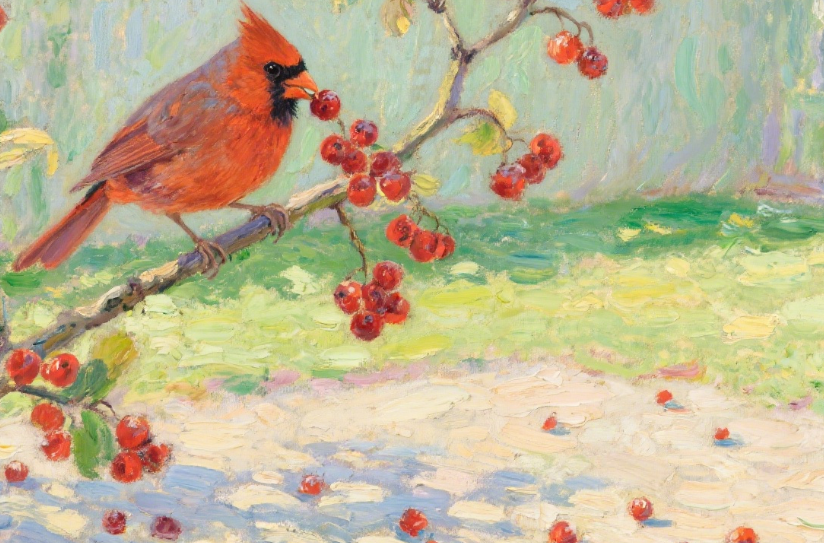
In the gardens of the Americas, the sight of birds feeding is not only a vivid snapshot of natural ecology but also offers observers multifaceted practical value and profound significance, which permeate ecological, psychological, and educational dimensions.
From an ecological perspective, observing birds feeding allows people to directly experience the balance and synergy of nature. Many garden birds play the role of “ecological guardians” during feeding. For example, when North American redbirds peck at berries, they help disperse plant seeds through their droppings, promoting the proliferation of vegetation around the garden. Meanwhile, the insect-eating behavior of small birds like chickadees and wrens effectively controls pest populations in gardens, reducing the need for chemical pesticides. This direct connection between “bird feeding and ecological regulation” helps people clearly recognize the crucial role birds play in maintaining the micro-ecological balance of gardens, thereby enhancing awareness of the need to protect birds and their habitats and promoting harmonious coexistence between humans and nature.
On the psychological healing front, observing birds feeding is a low-cost yet highly effective “mental relaxant.” The fast pace and high stress of modern life often leave people in a state of anxiety, but the scenes of birds intently pecking at food, occasionally preening their feathers, or briefly playing in the garden create a natural “attention diversion.” Research indicates that observing such gentle natural behaviors can reduce cortisol levels (a stress hormone) in the human body, slow heart rate, and help individuals relax from a tense state. For those who have lived in cities for extended periods, this momentary “natural interaction” can bridge the disconnect from nature, bring inner peace and joy, and even alleviate mild depressive symptoms.
The educational significance is also noteworthy, especially for children's development. The feeding scenes of backyard birds serve as a vivid “natural classroom.” Children can learn about the basic concepts of biodiversity by observing the dietary habits of different birds—for example, hummingbirds rely on nectar, blue jays prefer nuts, and robins feed on earthworms; and by tracking the timing patterns of bird feeding (such as morning and evening meals), they can begin to understand the relationship between animal behavior and their environment. This immersive natural education is easier to understand and remember than textbook knowledge, planting seeds of love for nature and curiosity about science in children's hearts, and cultivating their observational skills, focus, and empathy.
Additionally, this observational behavior can foster community connections. When neighbors discuss the types of birds appearing in their yards, share methods to attract birds for feeding (such as setting up feeders or planting nectar-producing plants), birds become a bridge for communication, strengthening community cohesion. Many American families transform their yards into “bird-friendly spaces,” and this shared interest and action spreads the concept of nature conservation within the community, fostering a positive social atmosphere.
In summary, the feeding behavior of birds in American gardens, though seemingly a simple natural phenomenon, brings tangible value to humans in terms of ecological conservation, psychological regulation, educational enlightenment, and community interaction. It also allows people to re-examine their connection with all things in nature through close interaction, thereby understanding the profound significance of the life community.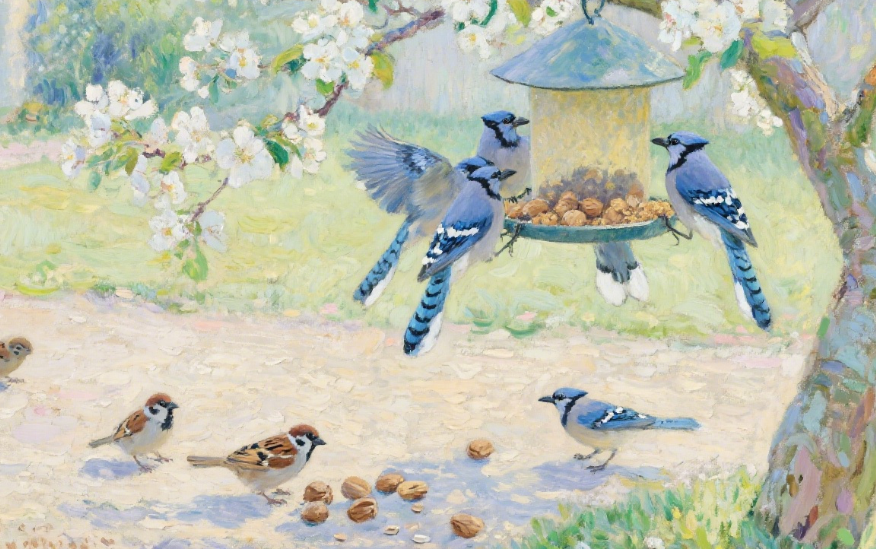
Explanation of the practical value and significance that birds in American gardens can bring to humans who observe their feeding behavior
Aug 1, 2025 Bird knowledge presenters