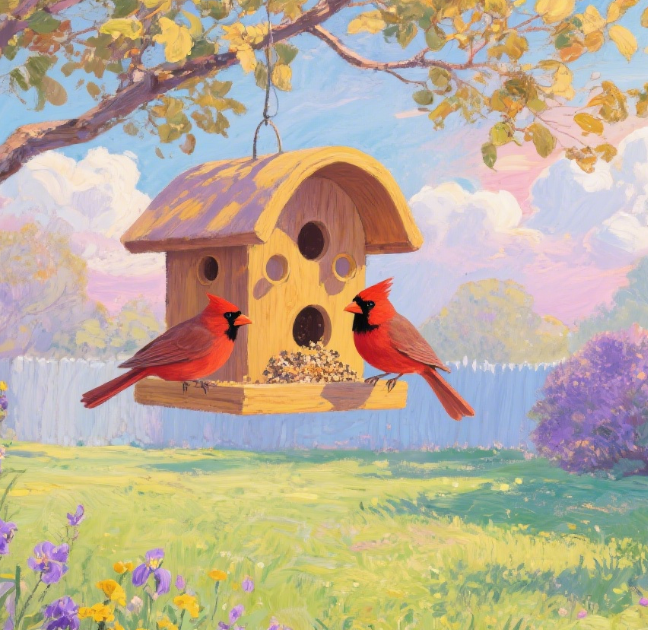
In American gardens, the success of bird feeders in attracting birds to feed is the result of multiple factors working together. These factors include both the design and configuration of the bird feeder itself and the creation of the surrounding environment.
Firstly, the choice of food is crucial in attracting birds. Different bird species have distinct preferences for food, and the food placed in bird feeders is often tailored to these preferences. For example, North American redpolls prefer sunflower seeds, while goldfinches have a particular fondness for Nyjer seeds. Many bird feeders offer mixed seeds that include a variety of bird-friendly options to meet the needs of different bird species. Additionally, some feeders provide other types of food, such as peanuts and suet (a block made from animal fat and seeds), which provide birds with abundant energy, especially during the cold winter months, making them highly attractive to birds.
Secondly, the placement of bird feeders is also crucial. Birds typically choose safe locations to forage, so feeders are usually placed in areas with some cover, such as near trees, shrubs, or other vegetation. This allows birds to quickly detect potential dangers while feeding and retreat into cover if predators appear. At the same time, bird feeders should not be placed in overly hidden locations; they need to be in areas with sufficient light so that birds can easily find the food. Additionally, the convenience of the location is also crucial; birds should be able to reach the feeder easily, so it is typically placed at a certain height above the ground to avoid interference from ground debris and sudden attacks from predators.
Furthermore, the design of bird feeders also affects their appeal to birds. The shape and size of bird feeders are designed according to the body size of the target birds. For example, small finches are suitable for feeders with small openings, while larger birds like blue jays require more spacious feeding areas. The materials used for bird feeders are diverse, with metal, plastic, and wood being common choices. These materials are not only durable but also safe for birds. Some bird feeders also feature special designs, such as drainage holes to prevent rainwater accumulation and food spoilage, or mechanisms to deter squirrels and other animals from stealing food, ensuring that birds can access the food safely.
Additionally, the surrounding environment plays a significant role in attracting birds to the feeder. Having a water source in the yard, such as a birdbath, encourages birds to visit, as they often need water to drink and clean their feathers after feeding. Furthermore, vegetation in the yard not only provides shelter for birds but also offers fruits and seeds from certain plants as natural food sources, complementing the bird feeder and attracting more birds to visit.
Lastly, regular maintenance of the bird feeder is essential. Keeping the feeder clean and promptly replacing spoiled food ensures birds can forage in a healthy and safe environment, thereby increasing their trust and reliance on the feeder and encouraging them to visit more frequently.
In summary, bird feeders in American gardens successfully attract various bird species by combining appropriate food selection, suitable placement, scientific design, a well-maintained surrounding environment, and regular maintenance.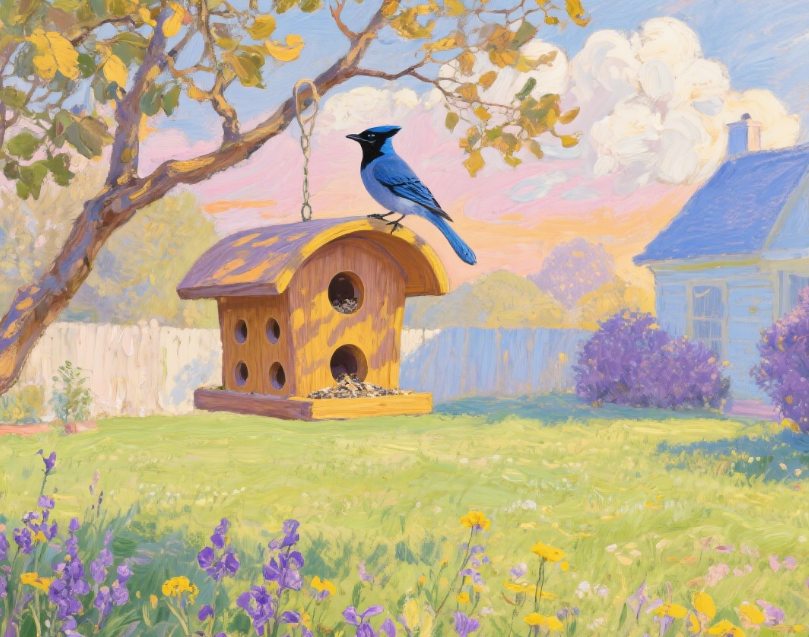
Explanation of how bird feeders in American gardens attract birds to feed
Jul 15, 2025 Bird knowledge presenters