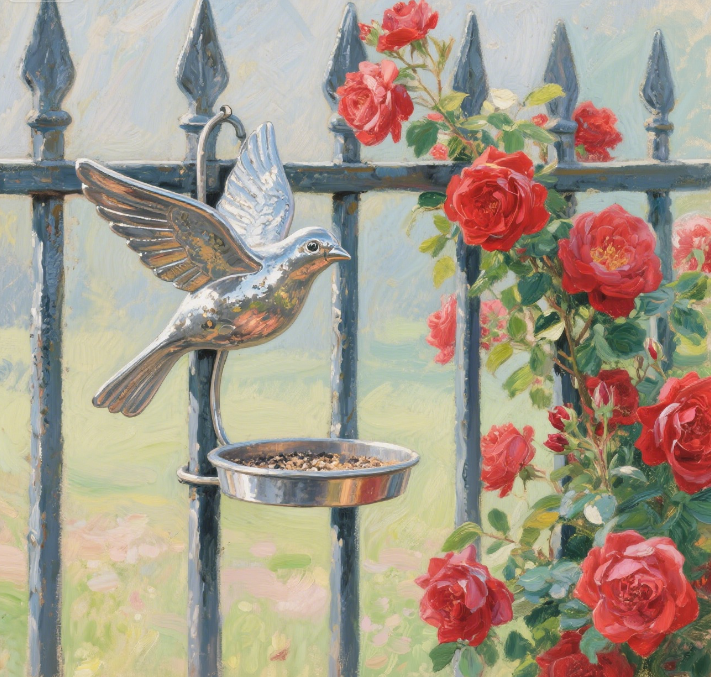
The structural design of bird feeders showcases a unique blend of functionality and form, offering a distinctive aesthetic appeal. Let us explore this design from various perspectives:
(1) Overall Aesthetic Design
Minimalist Modern Style: Many bird feeders adopt a minimalist design style, featuring smooth lines and a sleek appearance without excessive ornamentation. For example, some stainless steel bird feeders embody this minimalist aesthetic, allowing them to seamlessly integrate into various home environments and outdoor settings. This design not only exudes a clean, elegant beauty but also facilitates easy cleaning, as there are few crevices or corners where dirt can accumulate.
Natural Biomimetic Style: Some bird feeders mimic the shapes of branches, flowers, and other natural elements, creating a more natural living space for birds while adding a touch of fun and aesthetic appeal to the bird-keeping environment. For example, bird feeders shaped like branches feature irregular shapes and textures, resembling a piece of nature, allowing birds to feel as though they are in their natural habitat while feeding—both practical and visually appealing.
Creative and Unique Style: Some bird feeders boldly innovate in design, adopting unique geometric shapes or combinations to showcase distinctive design aesthetics. For example, designers have created bird feeders in spherical or pyramid shapes, breaking away from traditional square or circular patterns to offer a fresh, unique visual impact, becoming a distinctive landscape feature in gardens or courtyards.
(2) Functional Layout Aesthetics
Reasonable Space Planning: The internal space layout of bird feeders is typically carefully designed to meet the diverse needs of birds. For example, some large bird feeders divide the space into separate zones for food storage, water provision, and bird resting and activity areas. These zones are independent yet interconnected, ensuring both the convenience of bird life and a compact, orderly structure for the feeder.
Smooth Food Supply System: To ensure birds can feed smoothly, the food supply structure of bird feeders is ingeniously designed. For instance, some feeders use funnel-shaped or inclined food trays, allowing food to naturally slide down and preventing blockages, ensuring a continuous and stable food supply for birds. Others feature anti-spill designs to minimize food spillage during feeding, keeping the surrounding environment clean.
Convenient operation and maintenance design: From the user's perspective, a well-designed bird feeder structure also emphasizes ease of operation and maintenance. Many bird feeders use a modular, disassemblable structure, making it easy for users to add food, clean the interior, and replace damaged parts. Some bird feeders have lids designed for easy opening and closing, while others feature special latches or locks that ensure sealing while remaining user-friendly.
(3) The beauty of materials and craftsmanship
The texture and characteristics of materials: Different materials give bird feeders distinct textures and aesthetic appeal. Stainless steel is durable, corrosion-resistant, and has a smooth, mirror-like surface, exuding a modern, elegant metallic texture; ceramic materials offer a warm, delicate feel and possess high artistic and aesthetic value; wooden bird feeders emit a natural ambiance, evoking a simple, cozy atmosphere that harmonizes with the natural environment.
Exquisite craftsmanship: High-quality bird feeders are meticulously crafted, with edges polished smooth and free of burrs, ensuring they do not scratch the birds' feet or bodies. Welded joints are sturdy, and the structure is stable, capable of withstanding the weight of birds and the pressure of daily activities. Some bird feeders also incorporate special techniques such as carving or painting, adding intricate patterns and decorations to the surface, enhancing their artistic appeal.
(4) The beauty of attention to detail
Human-centric design details: Bird feeders feature numerous human-centric design details that reflect care for both birds and users. For example, some bird feeders have anti-slip surfaces on their perching platforms, allowing birds to stand more securely and increasing their sense of safety; others have rounded edges to prevent birds from bumping into sharp corners during activity; and some are equipped with dedicated drainage holes to prevent rainwater from accumulating inside and fostering bacterial growth.
Decorative details: To enhance the aesthetic appeal of bird feeders, some designers incorporate decorative elements. For instance, leaf-shaped decorative plates may be added to the lid, or intricate patterns such as flowers or birds may be painted on the surface. These details not only make the bird feeder more visually appealing but also attract birds' attention, transforming it into a functional yet decorative item.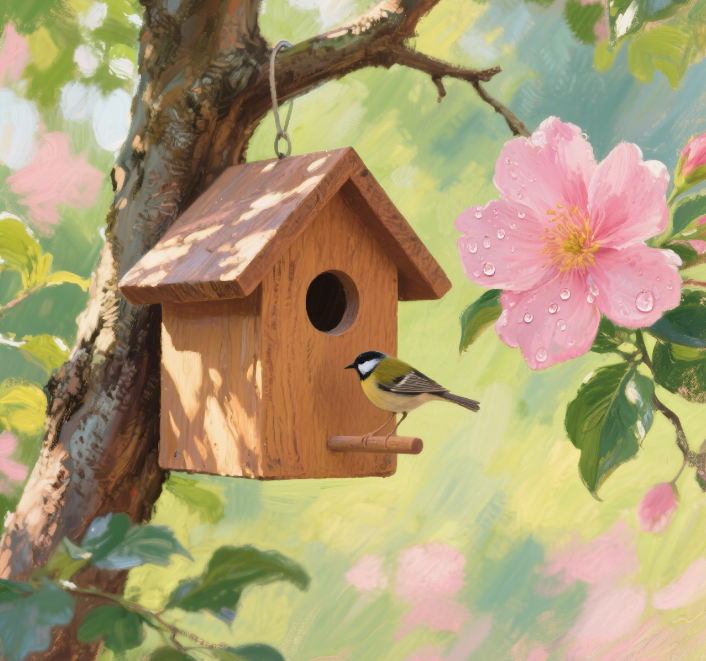

Appreciate the beauty of the design from the structural architecture of the bird feeder
Jun 24, 2025 Bird knowledge presenters