The following is a description of the bird species inhabiting each region of the Americas:
Ⅰ. North America
(1) Raptors
White-headed sea eagle: the national bird of the United States, majestic appearance, strong flight ability, hunting and nesting skills, mainly inhabiting the coast, rivers, lakes nearby, to fish, waterfowl, small mammals for food.
Red-tailed Buzzard: Widely distributed, it often soars in the air, looking for rodents, hares and other small mammals for food, and also eats some birds and reptiles.
(2) Songbirds
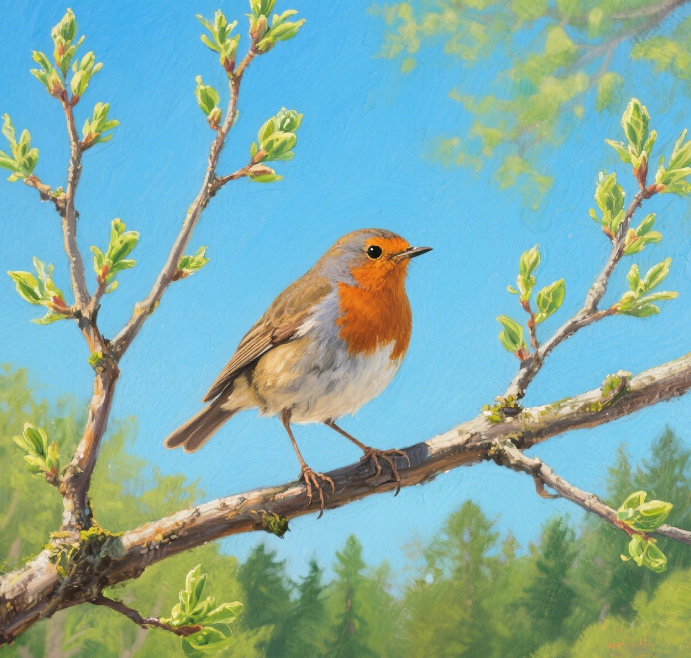
North American Mockingbird: Widely distributed in the U.S. states, with an orange or brown belly, gray and white head and back, practicing monogamy, with a weak but penetrating call, and feeding mainly on insects and fruits.
Goldfinch: often alone or in pairs, in flocks in fall and winter, feeding on plant seeds, insects, etc., preferring to inhabit forest edges, orchards, farmland and other environments.
(3) Waterfowl
Canada geese: Native to Canada, the United States and Mexico, these are flock-living birds that live in swampy areas such as rivers and lakes and on farmland, feeding mainly on aquatic plants and grains.
American White Pelican: It is the national bird of Barbados. It is extremely good at swimming and does not know how to dive. It is usually active in coastal, lakes, rivers and other waters, and feeds on fish.
Ⅱ. Central America
(1) Climbing birds
Crested Green Biting Cuckoo: the national bird of Guatemala, unique to the cloud forests of Mesoamerica, known for its bright green plumage and long tail feathers, and regarded as a sacred symbol in cultures such as the Aztecs and the Mayans, it mainly feeds on fruits, insects, and so on.
Green-browed Cui-Cengo: The national bird of El Salvador and Nicaragua is a small to medium-sized climber with brightly colored plumage that often inhabits forests and thickets and feeds on insects and small reptiles.
(2) Wading Birds
American Jurassic Fishdog: A small-sized bird of the kingfisher family, it often inhabits near rivers and streams and feeds on small fish and shrimp.
Yellow-crowned night heron: usually active at night, often perched in trees or bushes during the day, feeding on fish, frogs, insects, etc. It is more common around wetlands, rivers, lakes, etc. in Central America.
Ⅲ.South America
(1) Climbing Birds
Toucan: Brazil's national bird, with a huge beak, almost one-third of its body length, and bright colors, it is the bird with the largest proportion of its beak in the world. It mainly feeds on fruits, insects, small vertebrates, etc., and inhabits tropical rainforests.
Colorful macaw: the national bird of Honduras, with bright and colorful plumage, no facial feathers, turns red when excited, likes to move in flocks, feeds on fruits, seeds and nuts.
(2) Birds of prey
American ostrich: larger, flightless, good at running, mainly living in the grasslands, deserts and other environments, to plants, insects, small animals for food.
Crane Ostrich: distributed in the north of South America, it is the third largest bird in the world, with powerful legs and sharp claws, feeding on fruits, insects, small animals, etc.
(3) Songbirds
Venezuelan Oriole: the national bird of Venezuela, a medium-sized songbird with brightly colored plumage, usually found in forests and woodlands, feeding on insects, fruits, nectar, and more.
Brown Zao bird: Argentina's national bird, known for its unique mud nest shaped like a bread oven, mainly feeds on insects, spiders, etc., and lives in open grasslands, farmlands, and other environments.
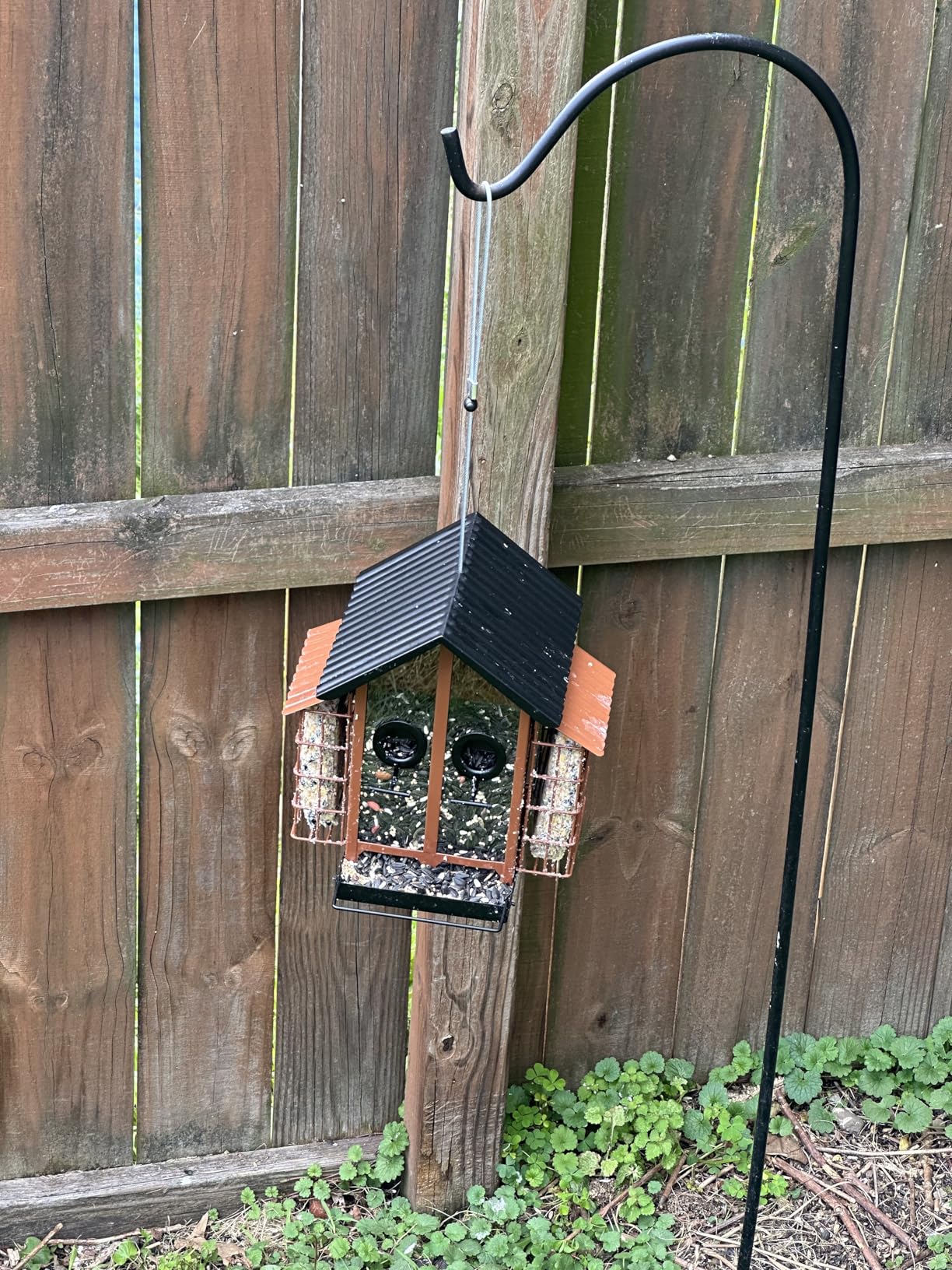
In order to observe the feeding and other behaviors of these birds from a distance, you can purchase our FlowFoli bird feeders to operate them!